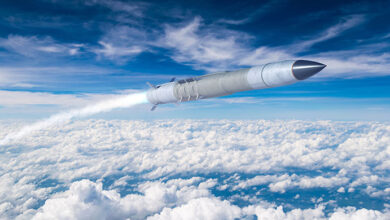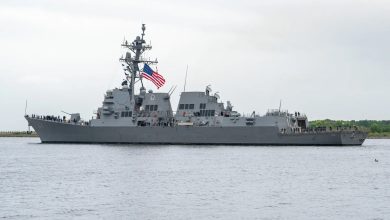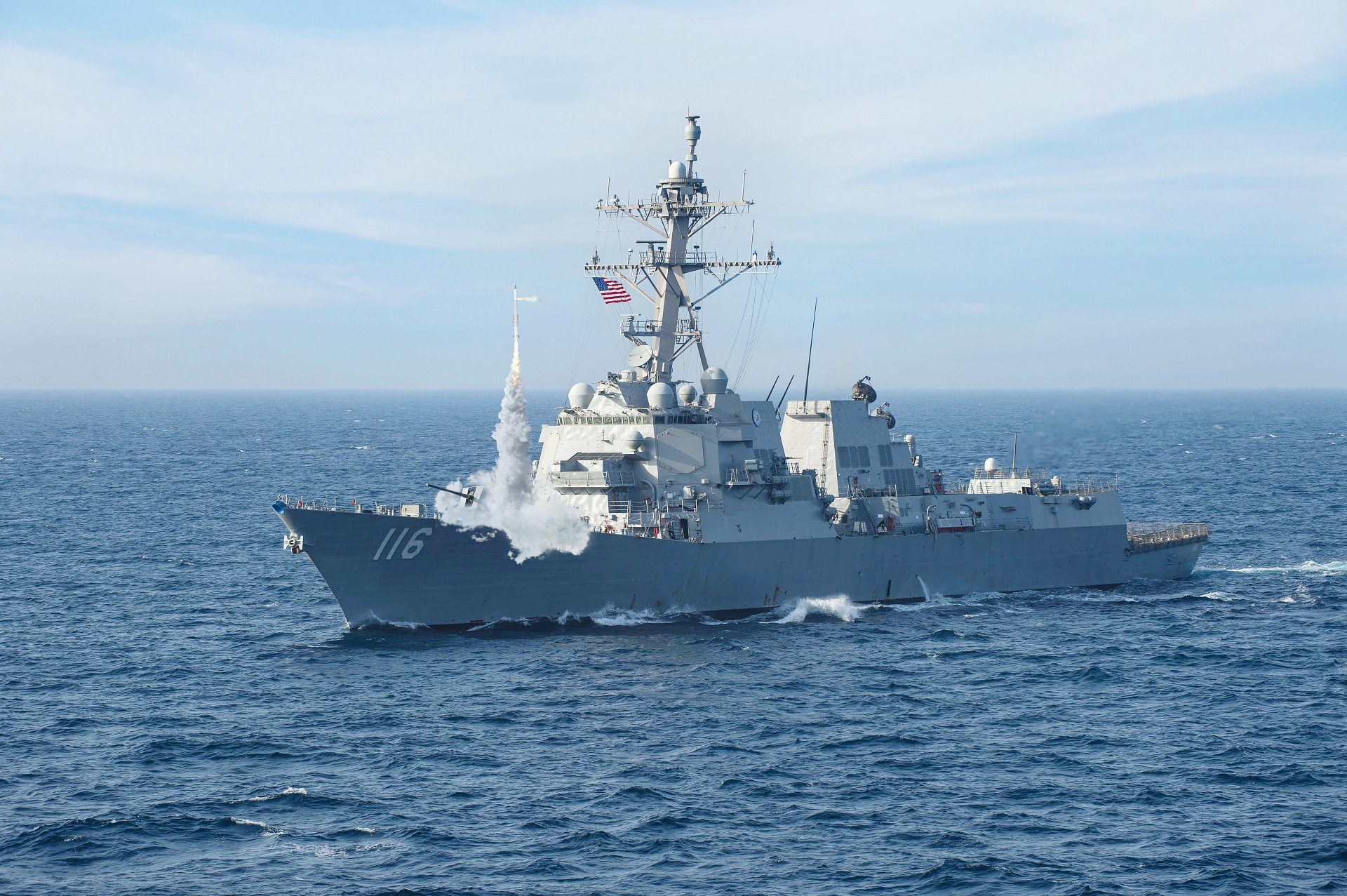
The US Department of Defense is pushing to integrate the Patriot Advanced Capability-3 Missile Segment Enhancement (PAC-3 MSE) interceptor with the Aegis Combat System, a move aimed at strengthening the missile defense shield protecting the US Navy’s fleet of destroyers.
A total of $65 million has been allocated to support the effort in the department’s fiscal year 2026 mandatory funding plan, according to Inside Defense.
Patriot co-developer Lockheed Martin has pursued the integration for several years, but the proposed funding marks the first concrete step toward fielding the US Army interceptor on US Navy surface ships.
The interceptor has been tested with the Aegis’ AN/SPY-1 radar, which forms the core of the automated command-and-control system.
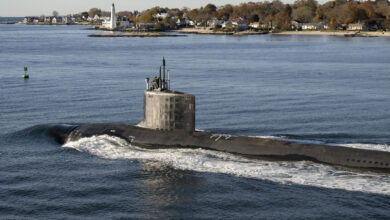
Efforts are also underway to integrate the missile with the MK 41 Vertical Launch System used aboard US Navy surface combatants, including Arleigh Burke-class destroyer vessels.
As part of that effort, a PAC-3 MSE interceptor was launched from a containerized launch platform in 2024 to engage a cruise missile target. The test marked the first time the interceptor was launched vertically while integrated with a virtualized Aegis to intercept a live target.
Integrating the interceptor with the MK 41 architecture could provide a relatively affordable pathway for naval deployment, allowing ships equipped with the Aegis Combat System to launch it without major modifications to existing launch systems.
Extra Layer of Protection
The PAC-3 MSE could provide an additional layer of protection for Aegis-equipped warships, which currently rely on interceptors from the Standard Missile family — including SM-2, SM-3, and SM-6 — as well as the RIM-162 Evolved SeaSparrow Missile to counter anti-ship missile threats.
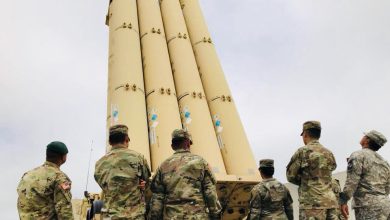
According to Lockheed Martin, the hit-to-kill interceptor is designed to defeat advanced threats, including ballistic missiles, cruise missiles, hypersonic weapons, and aircraft.
With a range of about 75 miles (120 kilometers) and an engagement altitude of around 22 miles (36 kilometers), the interceptor is particularly effective against tactical ballistic missile threats.
“In an increasingly complex and evolving threat landscape, the integration of the Patriot Advanced Capability-3 Missile Segment Enhancement into the Aegis Combat System could deliver a combat-proven missile interceptor with growing capacity to US sailors,” according to Lockheed Martin.
“This integration could significantly enhance the US’s ability to detect, track, and engage incoming threats, providing a robust and multi-layered defense against potential adversaries.”
Increased Production
The development also coincides with a ramp-up in PAC-3 MSE production, potentially enabling its deployment across a wider range of platforms.
Under a deal signed between Lockheed Martin and the Pentagon in January, production of the interceptor is set to triple over the next seven years, increasing from about 600 missiles annually to roughly 2,000.
The PAC-3 MSE is currently fielded by 17 partner nations, including Bahrain, Poland, and Ukraine.