Long before hypersonic weapons and networked kill chains became common terms, one radar fundamentally reshaped how navies fight in the air domain.
Naval air and missile defense depends on seeing threats early, tracking them continuously, and responding faster than an adversary can react — a capability the AN/SPY-1 radar provides through its powerful, multi-function passive electronically scanned arrays and integrated fire-control system.
This guide breaks down how the AN/SPY-1 keeps naval forces one step ahead and why it remains a cornerstone of modern fleet protection.
The Eyes of the Fleet
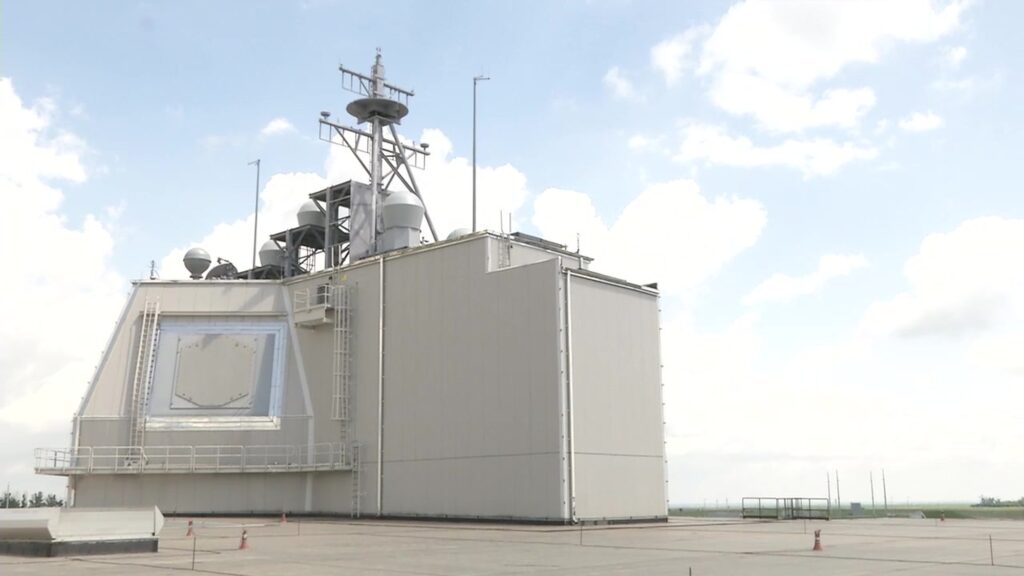
The AN/SPY-1 is a shipborne, multi-function, passive electronically scanned array radar designed primarily for air and missile defense.
Lockheed Martin developed the radar in the 1970s. It was closely tied to the creation of the Aegis Combat System, which sought to integrate advanced radar, computing, and weapons control into a single, automated defense architecture.
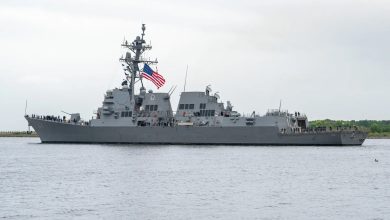
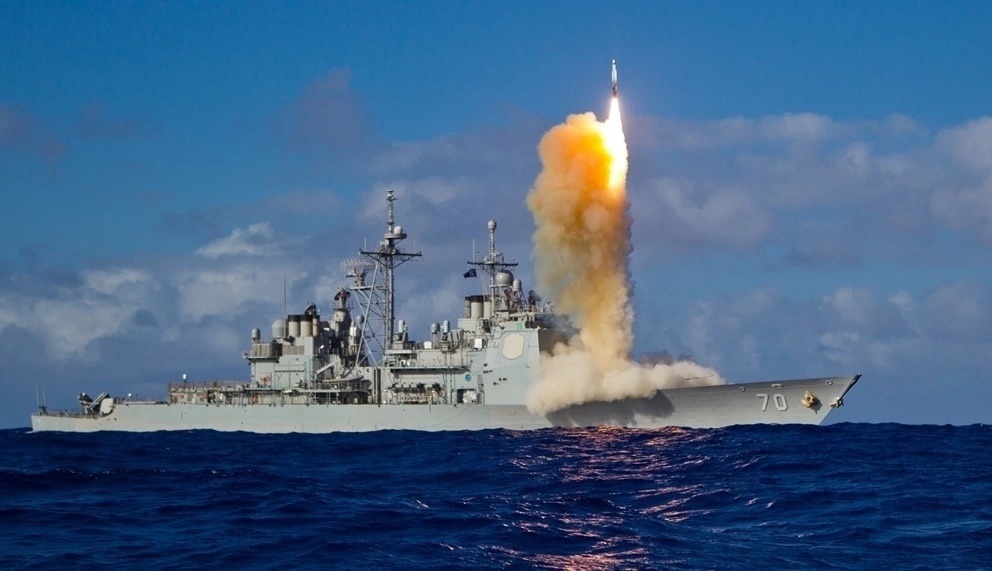
SPY-1’s ability to track and engage multiple targets simultaneously marked a major shift from earlier, mechanically scanned naval radars. It is now known as the primary sensor aboard Aegis-equipped cruisers and destroyers, including the US Navy’s Ticonderoga-class cruisers and Arleigh Burke-class destroyers.
Its core capabilities include:
- Long-range air and missile detection: It can detect aircraft, cruise missiles, and ballistic missile targets at extended ranges, giving ships early warning.
- Simultaneous multi-target tracking: The phased-array radar can track hundreds of targets at once while maintaining high update rates.
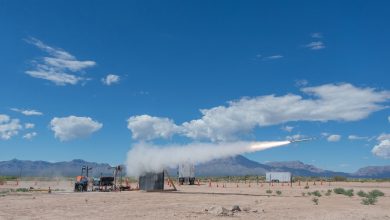
- Integrated fire control and missile guidance: SPY-1 provides the tracking and illumination data needed to cue and guide interceptors such as SM-2, SM-3, and SM-6.
- 360-degree coverage and rapid beam steering: Its electronically scanned arrays allow instant beam steering without mechanical movement, enabling fast reaction times.
- High reliability in dense, contested environments: Designed to operate in heavy clutter, electronic warfare conditions, and high target densities.
A Deeper Look at AN/SPY 1’s AGS Role
The radar introduced a shift to networked fleet defense, replacing isolated ship-by-ship operations with a shared sensor and engagement architecture enabled by the Aegis Combat System and cooperative engagement networks.
A single AN/SPY-1-equipped ship can act as the air defense commander for an entire task group, coordinating engagements across multiple ships and sharing track data via tactical data links.
This creates a single, composite battlespace picture, resulting in faster reaction times, longer effective engagement ranges, and greater survivability for the entire force.

How the AN/SPY-1 Radar Works
The AN/SPY-1 operates by electronically steering its radar beams using phase shifts rather than rotating antennas. This allows it to scan vast areas of sky in milliseconds, revisit targets frequently, and maintain precise tracking data on hundreds of objects at once.
The radar performs multiple roles simultaneously:
- Search: detecting new contacts at long range.
- Track: maintaining continuous updates on the target’s position and speed.
- Fire control support: feeding data to the Aegis Weapon System for missile engagements.
Strengths and Limitations
The defining strength of the AN/SPY-1 is persistence. The radar never stops scanning, even during missile engagements, and its continuous coverage is critical in environments where multiple threats may appear with little warning.
Despite its success, the AN/SPY-1 has constraints. As a passive electronically scanned array radar, its performance is limited compared to newer active electronically scanned array systems in terms of sensitivity, discrimination, and resistance to electronic warfare.
Radar horizon and line-of-sight physics still apply, making low-altitude or sea-skimming threats challenging at long range. Power demands and maintenance complexity also place burdens on ship design and crews.
Even as newer radars like SPY-6 or SPY-7 enter service, the legacy of the AN/SPY-1 remains clear: it was the radar that taught warships how to see, think, and fight at the speed of modern warfare.