Modern naval warfare moves at machine speed. Missiles fly low, fast, and often in numbers designed to overwhelm defenses.
The Aegis Weapon System (AWS) exists to address that exact problem — the part of the Aegis Combat System responsible for executing combat decisions, launching missiles, and controlling weapons to automatically or under human direction neutralize threats.
This explainer will take you inside AWS, showing how it works, what it can do, and why it remains a cornerstone of modern naval defense.
What the Aegis Weapon System Is
While the Aegis Combat System (ACS) acts as the brain — detecting, tracking, and analyzing threats — the Aegis Weapon System is the muscle, translating decisions into action. In short, ACS determines what to engage and with which weapon, while AWS handles how the engagement is carried out.
Here are the key components of the weapon system:
- Vertical launch system: Houses and fires a variety of missiles, including Standard Missiles and Tomahawk missiles.
- Weapon control modules: Direct weapons to their targets during engagements.
- Fire control software: Converts sensor data into precise firing solutions.
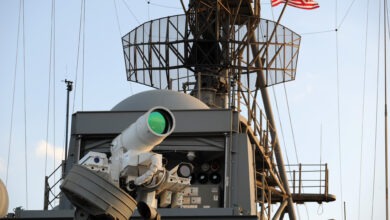
- Integration with Close-In Weapon Systems and guns: Ensures close-range threats are engaged in coordination with other weapons.
How the System Thinks and Fights
The AWS operates in close coordination with the ACS’s radar and sensors, starting with the AN/SPY-1 phased-array system and progressing to newer generations, such as SPY-6.
These radars continuously scan the sky and sea, tracking aircraft, cruise missiles, and ballistic missiles at long range while feeding real-time data to the combat system.
However, Aegis’ real strength lies in integration. It links sensors to weapons such as Standard Missile interceptors, close-in defense systems, and naval guns, allowing engagements to occur automatically or with human authorization.
A simplified workflow involves four steps: detection, decision, execution, and coordination.
| Step | System Involved | Notes |
| Detection | ACS (SPY-1 / SPY-6) | Identifies threats at long range and feeds data to the combat system |
| Decision | ACS Combat Software | Evaluates targets and selects the most appropriate weapon |
| Execution | AWS | Launches missiles or activates guns to neutralize threats |
| Coordination | ACS + AWS | Shares targeting information across ships and allied platforms |
Aegis’ Limitations
While AWS is highly capable, it is not invincible. Its effectiveness depends on multiple operational, technical, and logistical factors, meaning saturation attacks, hypersonic weapons, or simultaneous multi-axis threats can stress even the most advanced system.
- Interceptor inventory: The ship carries a finite number of missiles, and prolonged engagements can deplete its stock.
- Radar and engagement geometry: Line-of-sight limits, low-altitude threats, or multi-axis attacks can reduce targeting effectiveness.
- Threat saturation: Extremely dense or simultaneous attacks may exceed the system’s engagement capacity.
- Electronic warfare: Adversaries can use jamming, decoys, or stealth technology to confuse the system.
- Human and system constraints: Operator decisions, maintenance, and software reliability can affect performance.
Aegis in the Real World: Local and Global Impact
Operationally, Aegis shapes how navies deploy and fight. A single Aegis-equipped ship can act as the primary air defense commander for an entire task force, coordinating engagements across multiple platforms.
Globally, Aegis has become a cornerstone of missile defense architecture. Ships equipped with the system regularly patrol regions such as the Western Pacific, Mediterranean, and Middle East, where they contribute to regional ballistic missile defense and deterrence.
| Country or Navy | Ship Class With ACS | Role |
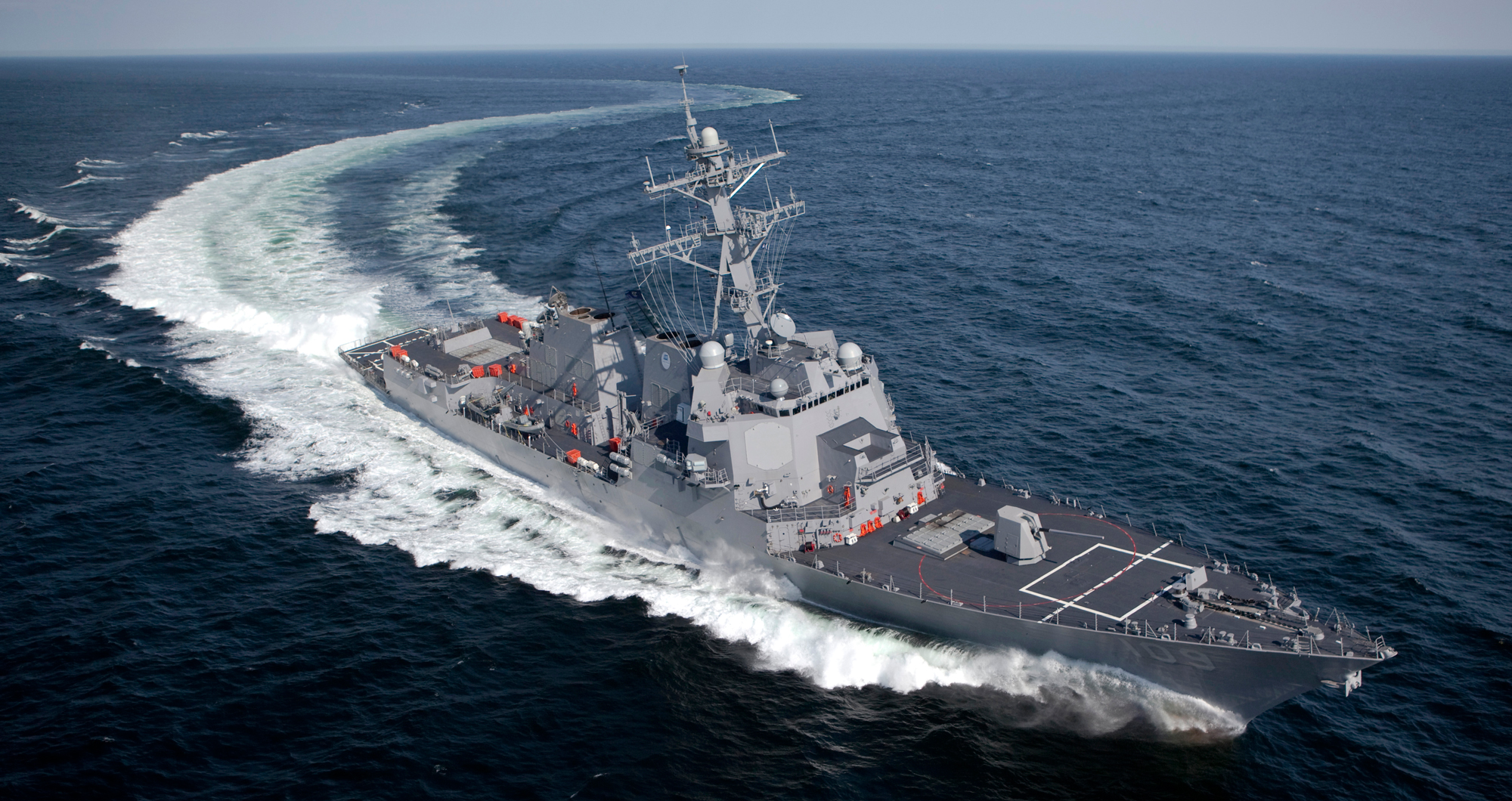
| US Navy | Arleigh Burke-class destroyer; Ticonderoga-class cruiser | Core fleet air defense, ballistic missile defense, and multi-mission warfare |
| Japan Maritime Self-Defense Force | Atago-class and Maya-class destroyers | Regional air and missile defense and integration with allied forces |
| South Korean Navy | Jeongo the Great-class destroyers | Fleet air defense and ballistic missile defense |
| Australia | Hobart-class destroyers | Air and missile defense as part of allied operations |
| Spain | Álvaro de Bazán-class frigates | Multi-role air defense and fleet protection |
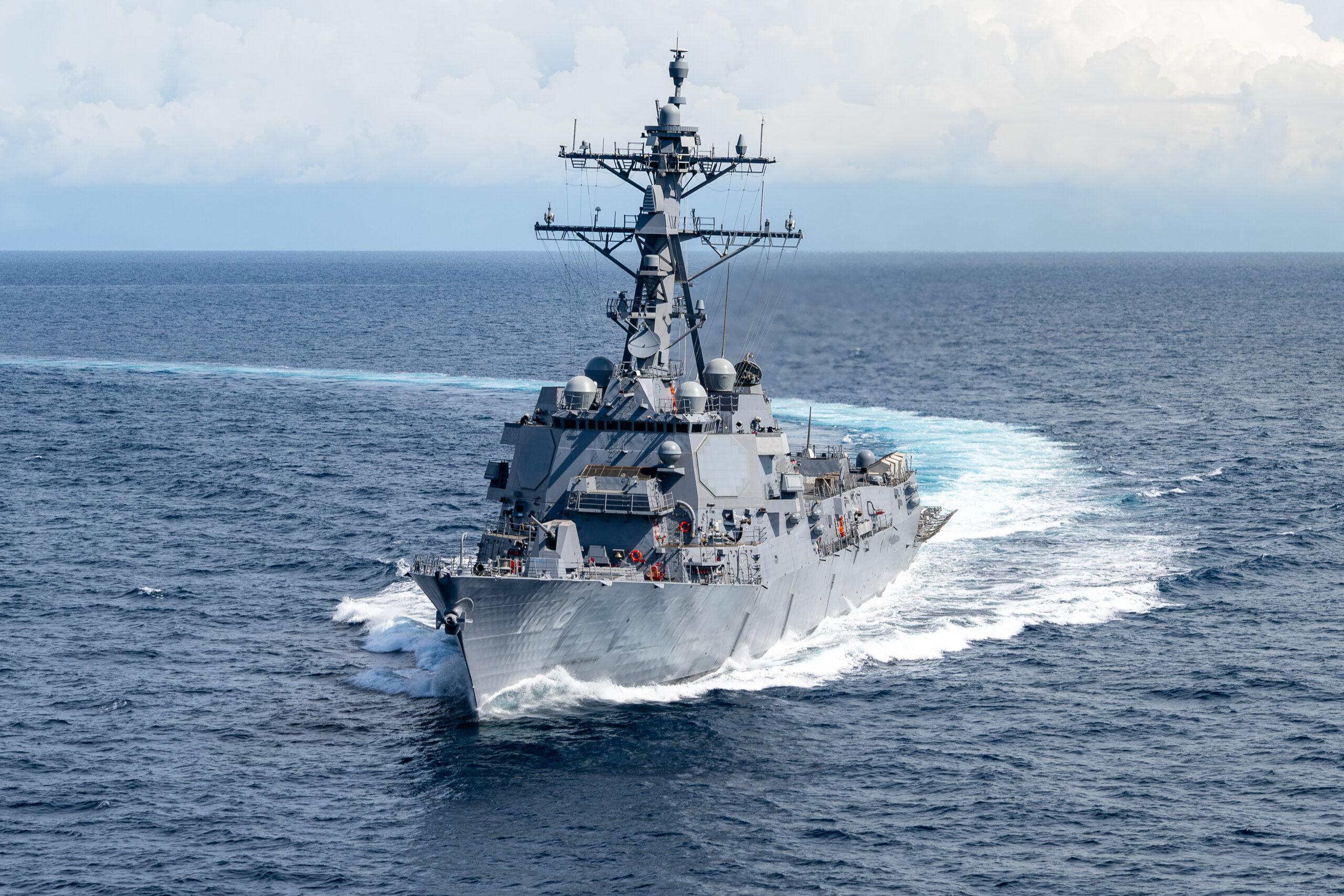
Beyond combat, the ACS, and by extension, the AWS, also serves as a political and strategic signal.
Its presence reassures allies, complicates adversary planning, and anchors multinational operations through shared data and interoperability.
As threats grow faster and more complex, Aegis continues to evolve — not as a single weapon, but as a living, integrated system designed to keep pace with the speed of modern war.