It’s not a plane built for airshows or dogfights — it’s a machine built to keep others flying longer, farther, and faster.
The MQ‑25A Stingray is the first unmanned tanker to operate from a carrier, quietly changing the rules of engagement in the air. With autonomous precision, massive fuel capacity, and integration into modern air wings, it’s as much a technological marvel as a tactical advantage.
Discover the MQ‑25A’s journey, capabilities, and what comes next for this cutting-edge drone in this quick and easy guide.
What Is the MQ-25A?
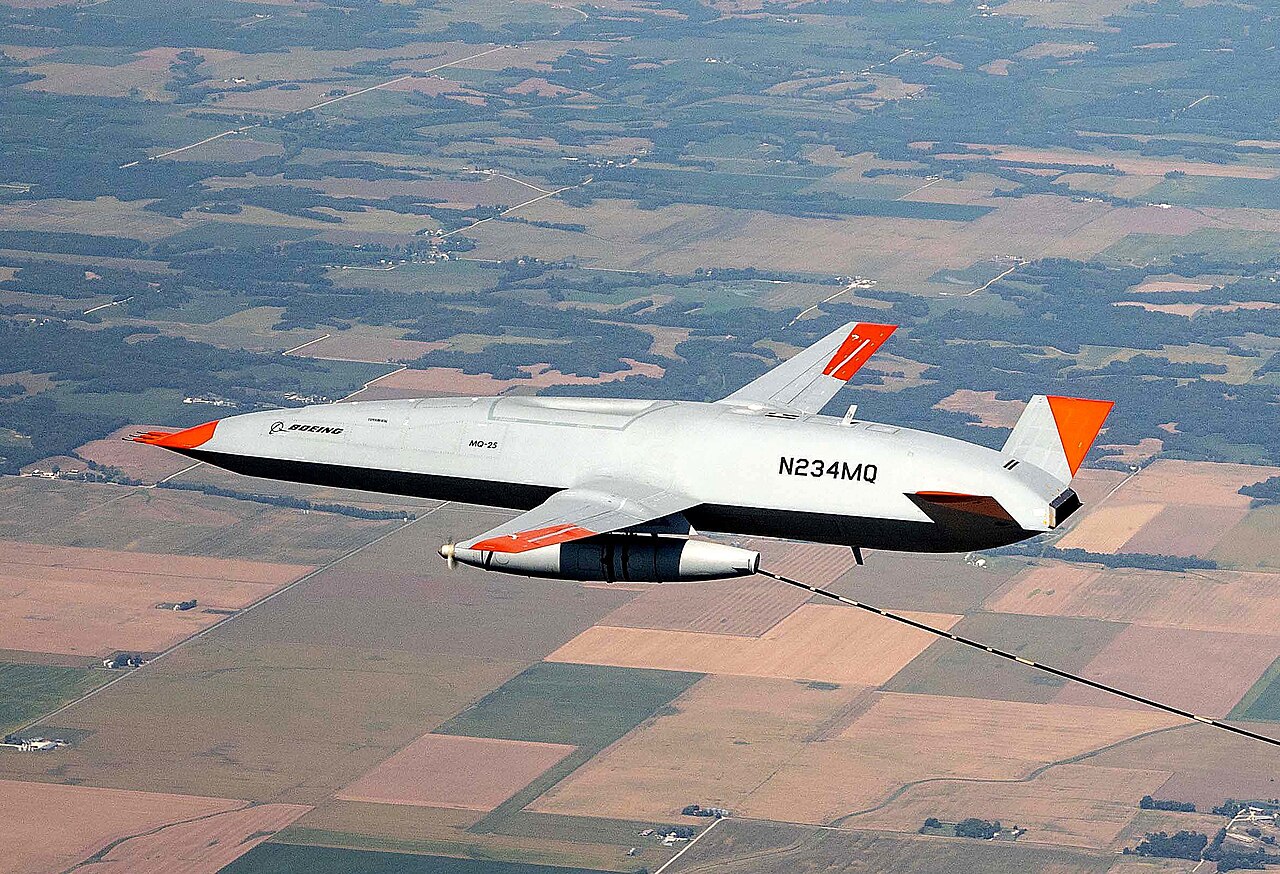
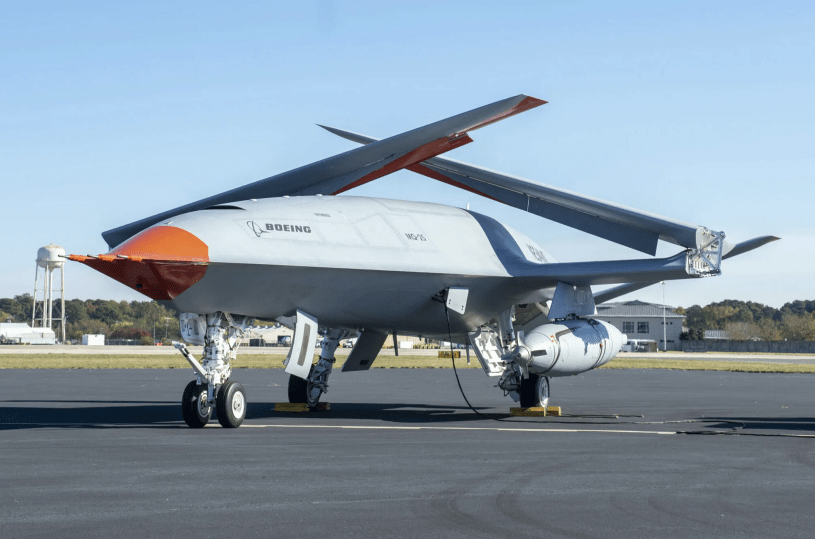
The MQ-25A Stingray is a carrier-based unmanned aerial vehicle (UAV) designed primarily as an aerial refueling tanker for carrier air wings.
It represents the first operational carrier-compatible unmanned aircraft in US naval aviation history and is intended to dramatically extend the reach of fighter aircraft by providing organic refueling capability at sea.
Secondary missions include intelligence, surveillance, and reconnaissance (ISR) support.
Unlike traditional manned tankers, the MQ-25A operates autonomously — taking off, flying assigned missions, and landing on carriers without a human onboard — controlled by onboard systems and ground/ship-based mission control.
| Category | Details |
| Type | Carrier-based UAV/Aerial Refueling Tanker |
| Developer | Boeing |
| Length | ~51 feet (15.5 meters) |
| Wingspan | ~75 feet (23 meters) (foldable for carrier storage) |
| Height | ~15 feet (4.6 meters) |
| Maximum Takeoff Weight | ~44,000 pounds (20,000 kilograms) |
| Powerplant | 1 × Rolls-Royce AE 3007N turbofan |
| Fuel Offload Capacity | Up to ~15,000 pounds (6,800 kilograms) |
| Operational Integration | Designed to operate with F/A‑18 Super Hornets, E‑2D Hawkeyes, F‑35C Lightning II |
| Launch/Recovery | Catapult launch; arrested recovery on aircraft carrier |
How the MQ-25A Came to Be
Origins and Development History
Efforts to integrate unmanned aircraft into US carrier aviation began in the mid-2000s. Initial concepts under the US Navy’s Unmanned Carrier-Launched Airborne Surveillance and Strike (UCLASS) program focused on strike and ISR capabilities.
Budget priorities and evolving needs later reshaped the effort toward a carrier-based aerial refueling system, a simpler, high-impact capability that could more rapidly enhance carrier effectiveness.
In 2018, the US Navy awarded Boeing an $805-million contract to design and build the MQ-25A Stingray, choosing it over competing proposals from other firms.
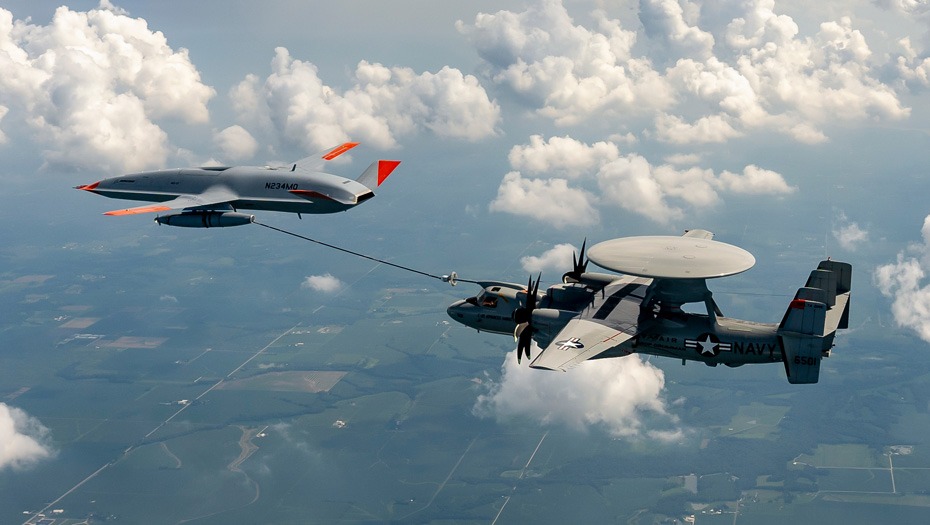
Early prototype assets, notably the Boeing-owned MQ-25 T1, logged test flights beginning in 2019, including aerial refueling demonstrations with F/A-18 Super Hornets, E-2D Hawkeyes, and F-35C fighters, proving the platform’s core mission concept.
How the MQ-25A Works
Design and Key Technologies
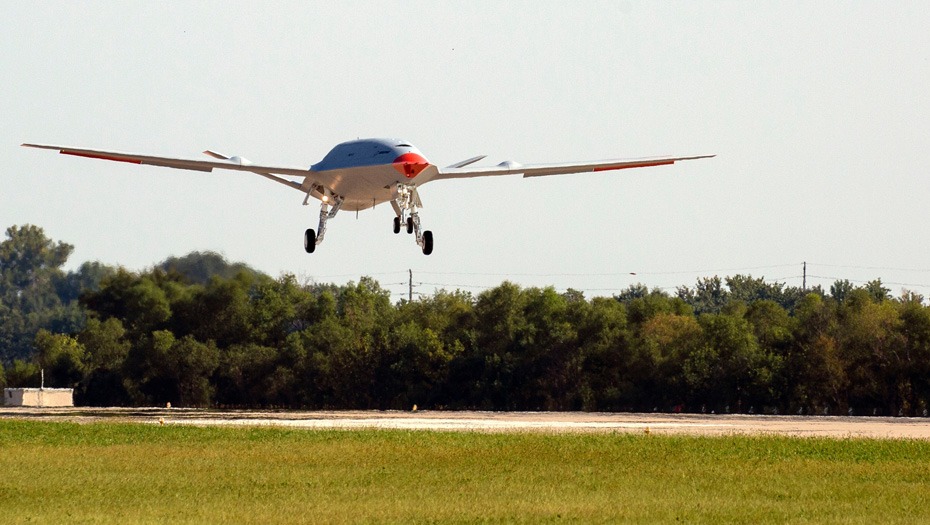
The MQ-25A features a conventional wing-body-tail design with a Rolls-Royce AE 3007N turbofan engine optimized for endurance and efficiency.
It measures roughly 51 feet (15.5 meters) long with a 75-foot (22.9-meter) wingspan and integrates with standard carrier launch and recovery systems.
Autonomy is central: advanced navigation, flight control systems, and onboard mission logic enable automated takeoff, flight routing, and landing sequences — crucial for safe operation in the dynamic carrier environment.
Fuel and Refueling Capability
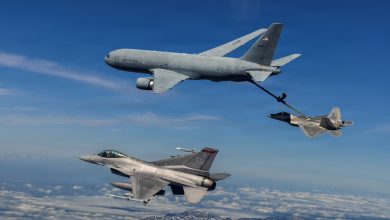
At mission-relevant distances, the MQ-25A can offload up to 15,000 pounds (6,800 kilograms) of fuel to receiver aircraft via a probe-and-drogue system using satellite and radio links for coordination, greatly increasing carrier fighters’ combat radius.
Strengths
- Force multiplication: By taking over refueling duties, it frees manned fighters for combat roles rather than “buddy-tanking,” boosting sortie availability.
- Extended carrier reach: Fighters like the F-35C gain significantly extended operational range without additional manned tankers.
- Autonomy and integration: Designed to operate within carrier deck procedures, reducing workload and increasing safety when matured into service.
- ISR potential: Secondary sensor payloads could provide persistent surveillance or communications relay support.
Limitations
- Carrier integration complexity: Achieving reliable autonomous deck operations remains challenging; tests like autonomous taxiing validate progress but highlight operational hurdles.
- Mission focus: Its tanker role currently takes priority — future expansion into strike roles would require new designs or variants.
- Reliance on communications: Maritime environments can strain communication links critical to autonomous control and situational awareness.
Where and How It’s Been Used
As of early 2026, the MQ-25A is transitioning from testing to operational integration. Recent milestones include its first autonomous taxi test, a key step toward carrier deck deployment and routine operations.
Extensive flight testing with prototype assets has demonstrated refueling with multiple carrier aircraft types and compatibility with shipboard operations.
Although currently a US Navy program, its success may influence allied carrier aviation plans, especially as other maritime powers explore unmanned or autonomous aerial systems for future fleets.
Future Outlook
Operational Growth
The MQ-25A is expected to enter fleet service with US carriers in the mid-2020s and become a staple of the Carrier Air Wing, transitioning from prototype to mission-ready asset.
Milestone test results and early deployment plans indicate that integration timelines are shifting from experimentation to operational use.
Evolving Roles and Derivatives
- Expanded missions: While refueling remains the primary role, secondary ISR and support roles may become routine as systems mature.
- Variants and export potential: Boeing and the Pentagon have discussed land-based variants and collaboration models, which could broaden the MQ-25’s utility beyond carriers.
- Strategic impact: As carriers operate farther from shore, organic refueling increases strike range and persistence, offering new tactical options for distributed maritime operations.