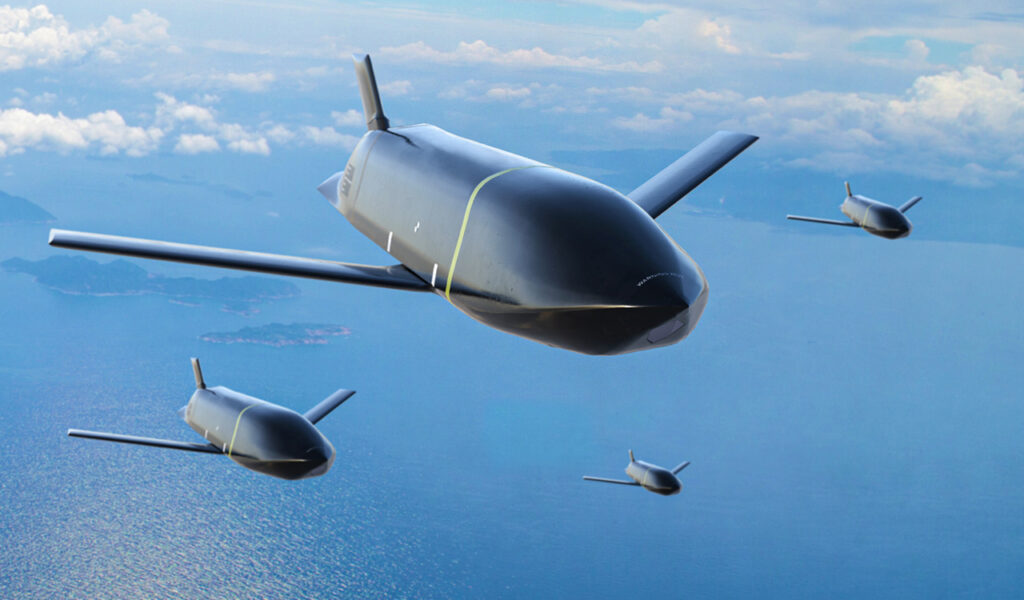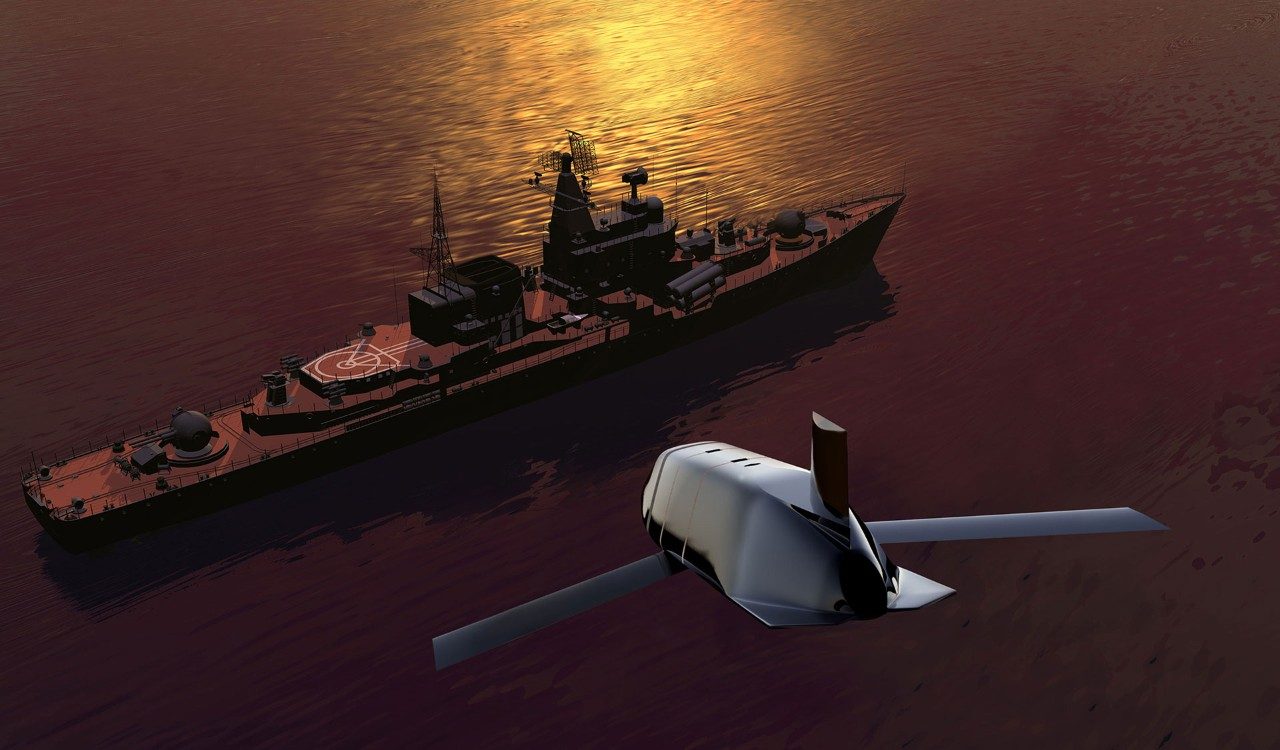
The Long Range Anti-Ship Missile (LRASM) is the US military’s answer to a problem modern navies can no longer ignore: how to strike well-defended enemy ships in a battlespace saturated with sensors, jammers, and long-range air defenses.
Developed by Lockheed Martin, LRASM is designed to hunt, identify, and destroy high-value naval targets without relying on constant external guidance.
In an era of contested seas and peer competition, LRASM represents a decisive shift toward autonomous, survivable maritime strike.
Why LRASM Exists: Fighting Inside Denied Seas
LRASM emerged from the recognition that legacy anti-ship missiles dependent on GPS, data links, or cooperative targeting might struggle against modern naval defenses.
Potential adversaries invested heavily in electronic warfare, layered air defenses, and deception techniques, raising doubts about whether older weapons could reliably reach their targets.
The solution was not incremental improvement, but a new philosophy. LRASM was designed from the outset to operate inside anti-access/area-denial (A2/AD) environments.
Its mission is simple but demanding: penetrate defended airspace, independently discriminate targets, and strike with minimal emissions, even when communications are disrupted or denied.
Stealth First, Survivability Always
LRASM inherits much of its physical design from the Joint Air-to-Surface Standoff Missile family, but its role is entirely maritime-focused.
The missile’s stealthy shape and low radar cross-section reduce its detectability, while passive sensors enable it to approach targets without broadcasting its presence.
Unlike older missiles that depend heavily on midcourse updates, LRASM emphasizes autonomy. It uses onboard processing to interpret sensor data, recognize ship types, and prioritize targets based on mission criteria.
This reduces vulnerability to jamming and keeps the missile lethal even in communications-degraded environments.
Smart Targeting at Sea
What truly sets LRASM apart is its guidance philosophy. Rather than homing in on a single radar return, the missile fuses inputs from multiple sensors and preloaded intelligence.
This enables it to distinguish between warships, decoys, and non-combatant vessels.
Once launched, LRASM can navigate complex routes, avoid known threat areas, and adjust its attack profile autonomously.
This intelligence-driven approach makes it particularly effective against high-value targets such as destroyers, cruisers, or aircraft carriers operating within a defended task group.
Range and Strike Flexibility
LRASM is designed for long-range engagements, allowing launch aircraft to strike from well outside enemy air defense envelopes.
With a range exceeding 200 nautical miles (230 miles/370 kilometers), it provides commanders with standoff options that preserve aircraft survivability while maintaining offensive reach.
The missile carries a penetrating blast-fragmentation warhead optimized for disabling large surface combatants.
Rather than relying solely on sheer explosive power, LRASM aims to inflict mission-killing damage by targeting critical ship systems.

Where LRASM Is Fielded
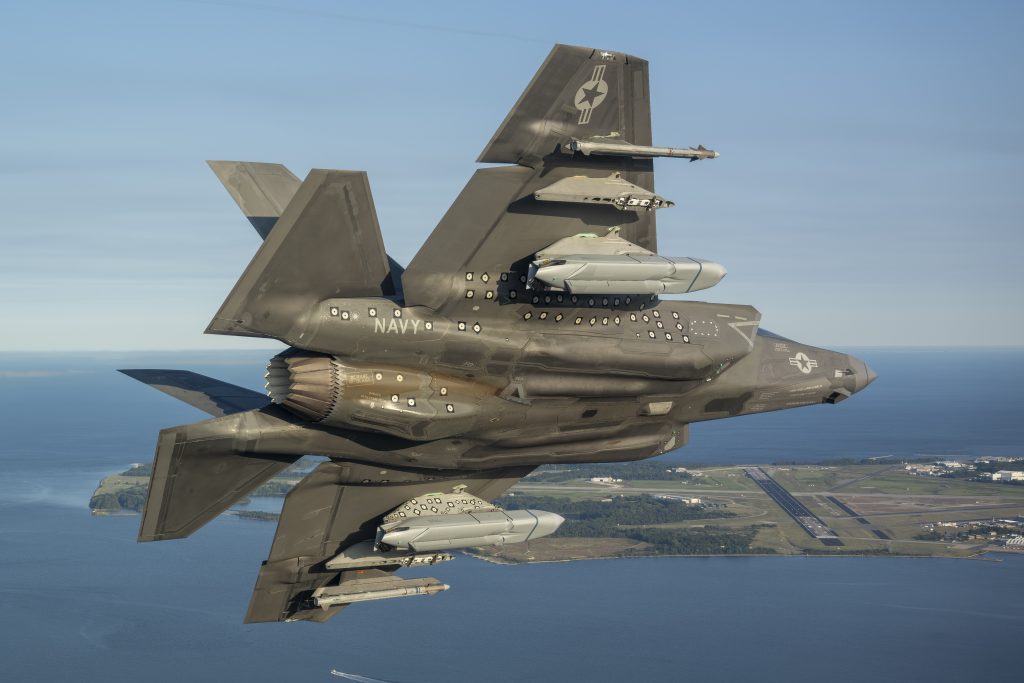
LRASM is operational on US Air Force and US Navy aircraft, including the B-1B Lancer, F-35 Lightning II, and the F/A-18E/F Super Hornet.
This dual-service integration reflects its strategic value across joint maritime operations.
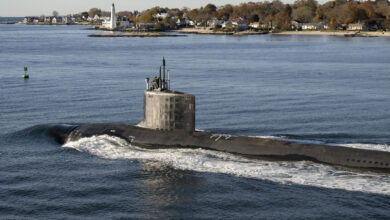
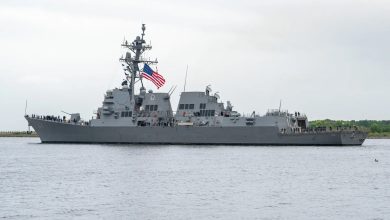
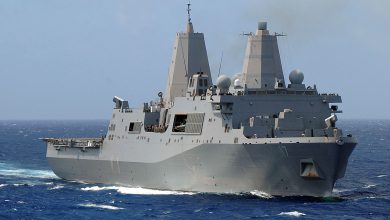
Naval integration is expanding, with surface-launched variants planned to extend LRASM’s reach beyond airpower alone.
As this progresses, the missile will become a core element of distributed maritime operations, enabling ships to strike decisively without closing into dangerous engagement zones.
A Key Piece of Modern Naval Strategy
LRASM fits squarely into the US military’s shift toward distributed, networked warfare.
Instead of relying on centralized targeting and massed formations, the missile enables individual ships and aircraft to deliver decisive effects independently, even in heavily contested environments.
In practical terms, this complicates adversary planning. High-value naval assets must now account for stealthy, long-range anti-ship threats that can emerge from multiple directions with little warning, compressing reaction times and stressing defensive systems.
Beyond the United States, LRASM’s adoption is expanding its strategic impact. Australia has committed to the missile for its Royal Australian Air Force F/A‑18F Super Hornets, while Japan has approved purchases to strengthen maritime strike and deterrence capabilities.
These acquisitions align with broader Indo-Pacific efforts to counter long-range naval threats and reinforce allied interoperability with US forces.
Collectively, LRASM forces enemy fleets to defend more space, expend more resources, and operate under greater uncertainty.
Its growing presence among US allies signals a shift toward shared long-range strike architectures, where maritime power is defined less by fleet size and more by reach, survivability, and first‑strike credibility.
LRASM is more than a new missile; it’s a statement about how future naval wars may be fought. It prioritizes survivability over speed alone, intelligence over brute force, and autonomy over constant connectivity. As maritime competition intensifies, LRASM gives the US and its allies a credible way to strike first, strike unseen, and strike decisively.