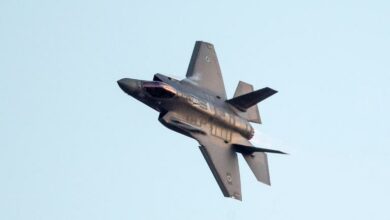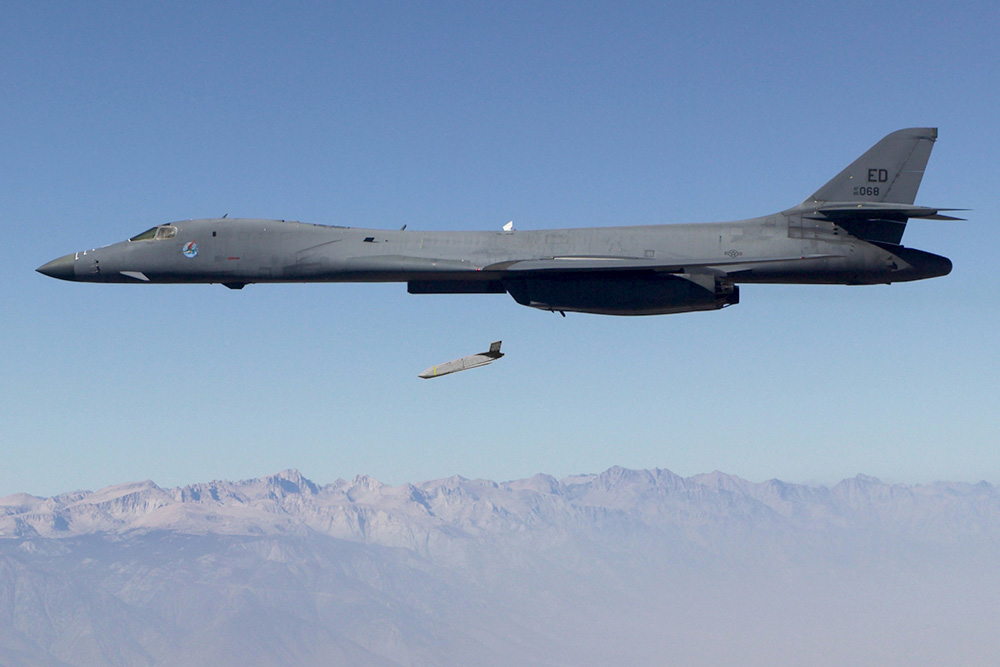
In an age of contested airspace, having the ability to hit a well-defended target without flying into a wall of surface-to-air missiles can decide a conflict before it begins.
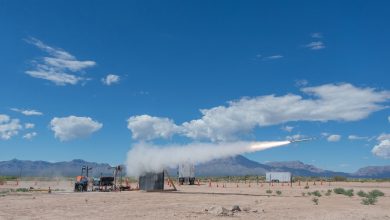
Enter the AGM-158 Joint Air-to-Surface Standoff Missile (JASSM), a family of stealth cruise missiles designed to give US and allied forces long-range, precision firepower against heavily defended targets.
Stealth shaping, autonomous guidance, and a penetrating warhead make the missile a reliable tool against the hardest and most dangerous targets — and a weapon adversaries must factor into every defensive plan.
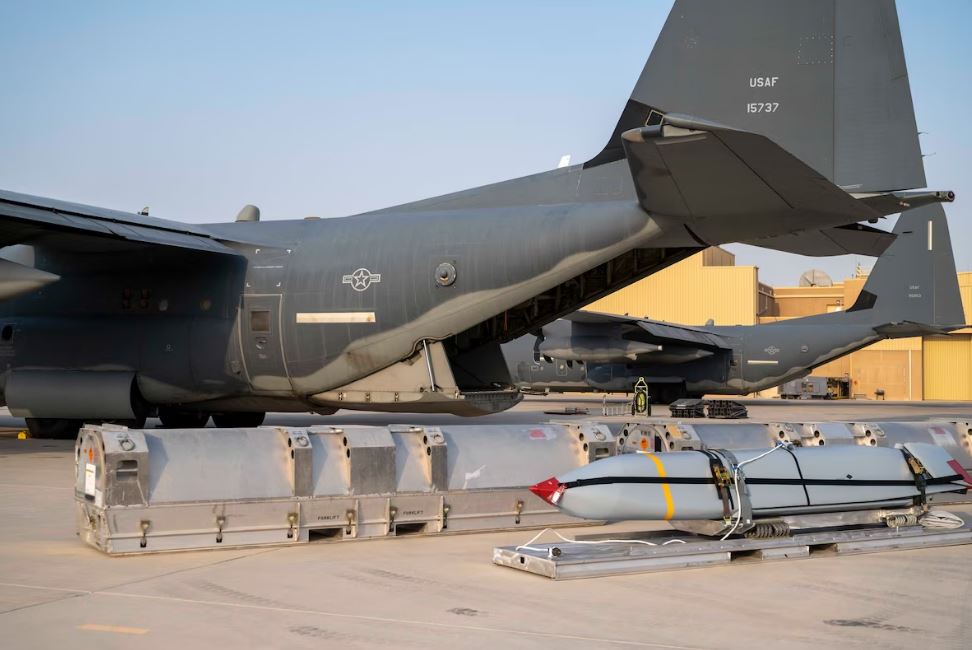
What Drove Its Creation
Post-Cold War operations revealed a growing need for standoff weapons capable of delivering precision strikes without requiring pilots to enter the most hazardous defensive zones.
The Pentagon recognized this gap in the late 1990s and tasked Lockheed Martin with developing a missile that combined low observability, autonomy, and precision guidance.
The result was the JASSM: a weapon designed to replace risky close-in bombing runs with a survivable cruise missile that could be launched from both fighters and bombers, allowing the aircraft to remain far outside hostile air defenses.
As new threats emerged and adversary missile systems grew more capable, extended-range variants were introduced to ensure JASSM could operate effectively at ever greater distances.
Design and Capabilities
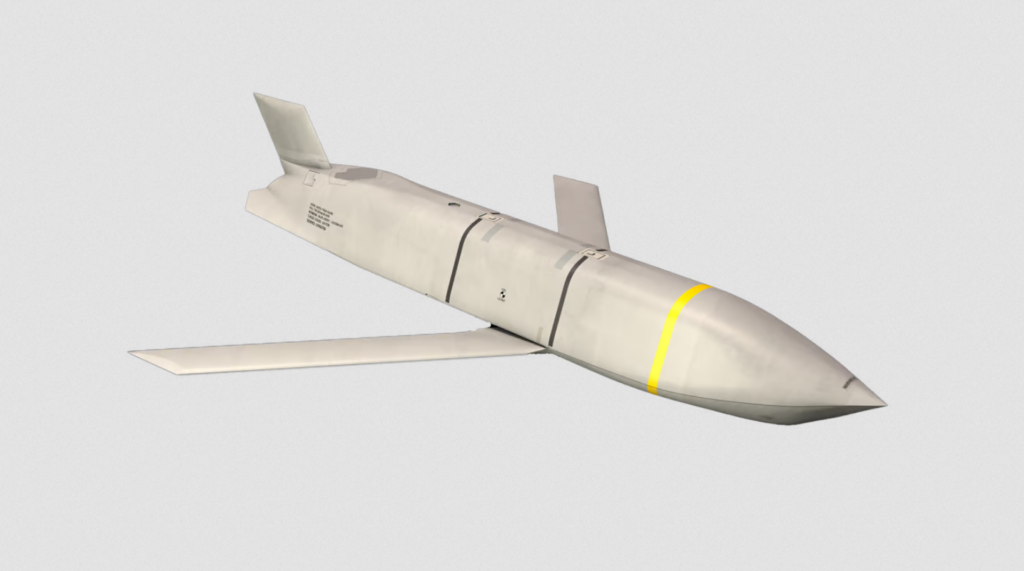
At first glance, JASSM looks like a sleek, winged missile, but its design is all about survivability.
A low-observable airframe reduces radar signature, while GPS-aided inertial navigation ensures it can hit targets even in contested environments.
- Range: ~370 kilometers (230 miles) for the original model; later versions extend significantly beyond this.
- Warhead: A 450-kilogram (992-pound) penetrating blast-fragmentation payload, optimized for hardened targets.
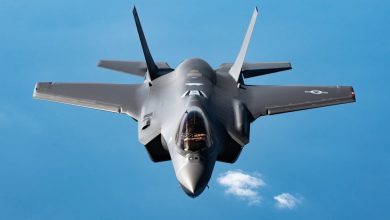
- Launch Platforms: Compatible with a wide array of aircraft, including the B-1B Lancer, B-2 Spirit, B-52 Stratofortress, F-15E, F-16, and F-35.
Key Variants and Upgrades
| Variant | Key Features, Upgrades, and Limitations | Approx. Unit of Cost | Where/How Was JASSM Used |
| AGM-158A (JASSM) | Baseline stealth cruise missile: GPS/INS + imaging infrared seeker; 450-kg (992-pound) warhead. Limitation: ~370 kilometer (230 mile) range vs ER | Baseline-era costs varied | Entered service 2000s; used in 2018 Syria strikes (B-1 launches) |
| AGM-158B (JASSM-ER) | Extended-range (~900 kilometers/559 miles) via more efficient turbofan and fuel; improved avionics. Limitation: higher unit cost, production pace constraints | Lot contract pricing shows multi-hundred-million dollar buys; per missile cost often cited > $1 million (varies by lot) | Widely procured by the US and allies (sales to Japan, Poland, and Germany). Used for deep-strike deterrence |
| AGM-158C (Long Range Anti-Ship Missile or LRASM) | Maritime/anti-ship adaptation: autonomous target recognition, IR/RF seekers, datalinks; designed for denied environments | Program cost higher due to sensors and autonomy | Employed for naval strike roles; optimized to find and attack ships in cluttered seas |
| AGM-158D (JASSM-XR) | Extreme-range concept (~1,800 kilometers/1,118 miles projected) under development; larger fuel capacity and upgraded guidance | Development/contracts in progress (Lockheed preparing for XR work) | Intended to give very long-range precision strike for Pacific/peer scenarios; test flights anticipated |
Where JASSM Fits in US Defense
Within the US defense strategy, the JASSM is increasingly becoming a coalition asset as allies procure ER variants to extend their deterrent and strike posture in regions such as Europe and the Indo-Pacific.
Costs, Procurement, and Industry Impact
The missile’s affordability compared to manned strike missions has made it a more attractive option.
While costs vary by variant, a baseline JASSM runs about $1 million, while the more sophisticated LRASM can exceed $3.5 million per unit.
Lockheed Martin continues to receive large Pentagon contracts to expand production, making JASSM one of the most significant US missile programs of the 21st century.
Operational Use and Significance
JASSM made its combat debut during coalition strikes in April 2018 and was later used to destroy the compound housing ISIS leader Abu Bakr al-Baghdadi in 2019, demonstrating both precision and strategic reach in real operations.
Demand from Japan, the Netherlands, and Finland demonstrates that JASSM has shifted from a US capability to a NATO- and partner-level strategic munition.
The Future Trajectory of JASSM
The program’s future is tied to both technological innovation and strategic necessity. The JASSM-XR promises a range of nearly 2,000 kilometers (1,200 miles), allowing US aircraft to strike from truly safe distances.
These will likely be paired with next-generation platforms, such as the B-21 Raider stealth bomber, extending America’s ability to conduct global precision strike missions well into the 2040s.
As adversaries continue to develop advanced air defense systems, JASSM ensures that US and allied forces retain the ability to strike decisively without having to fight their way through walls of radar and missiles.