Speed and coordination now define success on the battlefield. It’s no longer just about who fields the most advanced platforms, but who can connect them and act faster than the enemy.
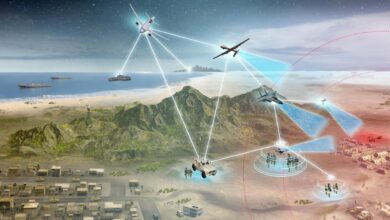
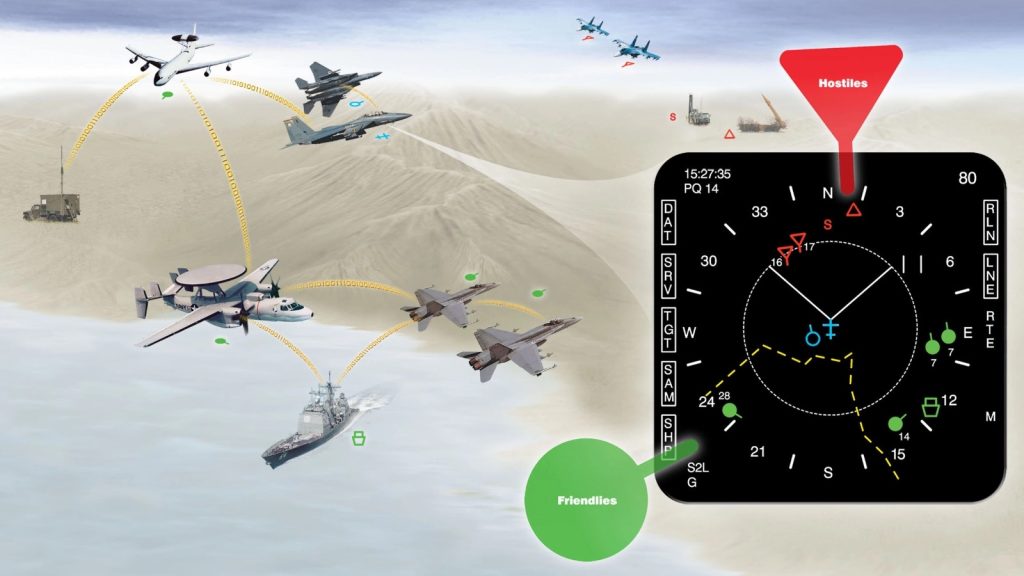
Link 16 makes that possible. The system links aircraft, ships, and ground forces into a single network, allowing them to exchange critical battlefield data instantly and operate as a coordinated whole.
This guide explores what Link 16 is, how it works, and why it remains a cornerstone of modern military operations.
What Is Link 16?
Link 16 is a secure tactical data link used by the United States and its allies to share targeting, tracking, and command data across multiple platforms.
It underpins networked warfare by connecting fighters, warships, ground units, and command centers into a unified system.
Through Link 16, forces can exchange information such as:
- Target locations
- Aircraft positions
- Air defense tracking data
- Command and control messages
By synchronizing this data across the force, Link 16 enables more precise targeting, faster decision-making, and tighter coordination during operations.
How Link 16 Came to Be
Link 16 traces its origins to the Tactical Digital Information Link (TADIL) program developed during the Cold War. The goal was to create a secure network that could link multiple combat platforms in real time.
The technology was developed under the guidance of the US Department of Defense, with major contributions from companies such as Viasat (secure networking and satellite integration) and L3Harris Technologies (critical hardware, radios, and tactical terminals).
The system eventually became standardized within NATO as TADIL-J, which is the technical designation for Link 16.
Over time, the network expanded beyond aircraft to include ships, ground units, and air defense systems, forming a critical backbone for coalition operations.
Variants and Configurations
While Link 16 is primarily a communications standard rather than a single piece of hardware, it is implemented through different terminal systems.
1. JTIDS (Joint Tactical Information Distribution System)
The original implementation of Link 16 was in the 1970s to 1980s. It was designed for high-capacity, secure, anti-jam tactical data exchange, and primarily used on manned aircraft, ships, and ground stations.
2. MIDS (Multifunctional Information Distribution System)
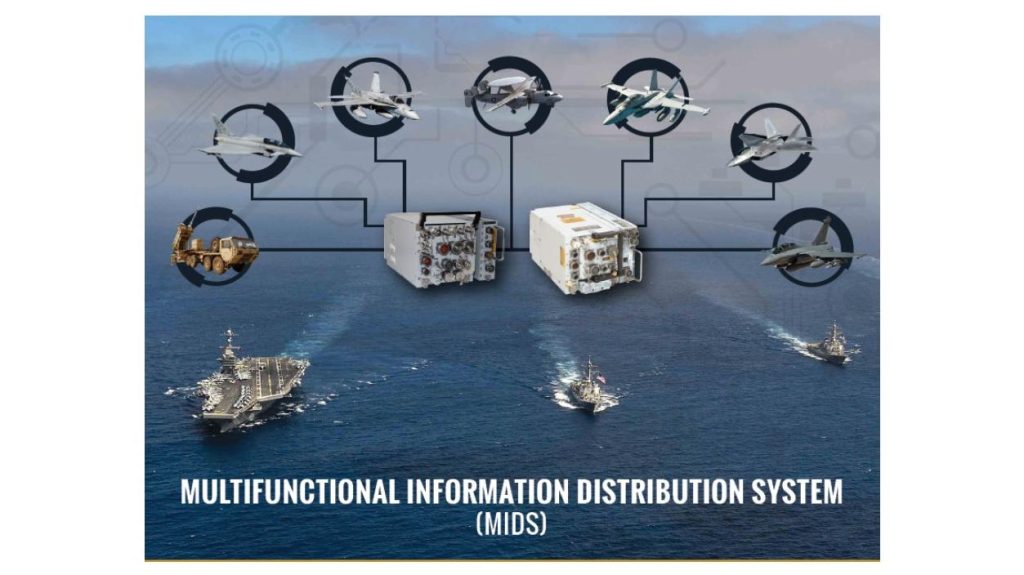
A smaller, lighter, and more modern version of JTIDS. It was developed to integrate Link 16 onto fighter aircraft, helicopters, and smaller naval platforms.
There are two main types:
- MIDS-LVT (Low Volume Terminal): Installed on fighters, helicopters, and ground units.
- MIDS-JTRS (Joint Tactical Radio System): Software-defined radio version for modernized networks and flexible integration.
3. Other National Variants or Upgrades
Some countries develop localized enhancements to Link 16 terminals (for example Poland and Turkey) to integrate with domestic systems and platforms.
Often focused on encryption upgrades, increased throughput, or compatibility with drones and emerging combat systems.
How Link 16 Works
Link 16 relies on time division multiple access, a method that divides network communications into small, precise time slots.
Each participant transmits data during its assigned slot, preventing signal collisions and allowing the network to coordinate dozens of assets simultaneously without congestion or interference.
Security and resilience are also central to Link 16’s design. The system employs robust encryption and rapid frequency hopping to protect transmissions from interception or electronic warfare, making it far more resistant to jamming than traditional radio communications.
Furthermore, Link 16 creates a shared tactical picture across all network participants. Positional and targeting data from radars, sensors, and command centers are continuously exchanged in real time.
For example, when a radar detects an incoming aircraft or missile, the detection data is transmitted through the Link 16 network, allowing allied aircraft and ships to receive the update immediately.
Air defenses can then coordinate intercepts, enabling commanders and operators to respond more quickly and accurately.
Strengths of Link 16
- Real-time coordination: Link 16 allows multiple units to share tactical data instantly, dramatically improving coordination during combat operations.
- Interoperability: The system enables forces from different countries to operate together seamlessly, making it essential for coalition operations.
- Secure networking: Encryption and frequency hopping protect the network from interception or jamming.
Limitations of Link 16
- Bandwidth constraints: Because many users share the network, the system has limited bandwidth compared with modern high-speed communications.
- Electronic warfare threats: Although resilient, Link 16 can still face challenges from advanced electronic warfare systems designed to disrupt or detect transmissions.
Global Use and Operational Roles
Link 16 is used across a wide range of military platforms worldwide. Examples include:
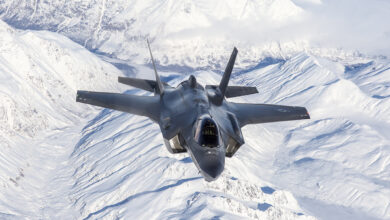
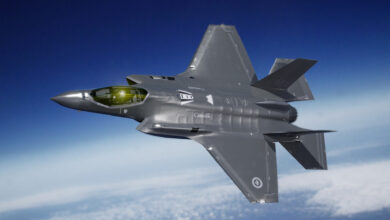
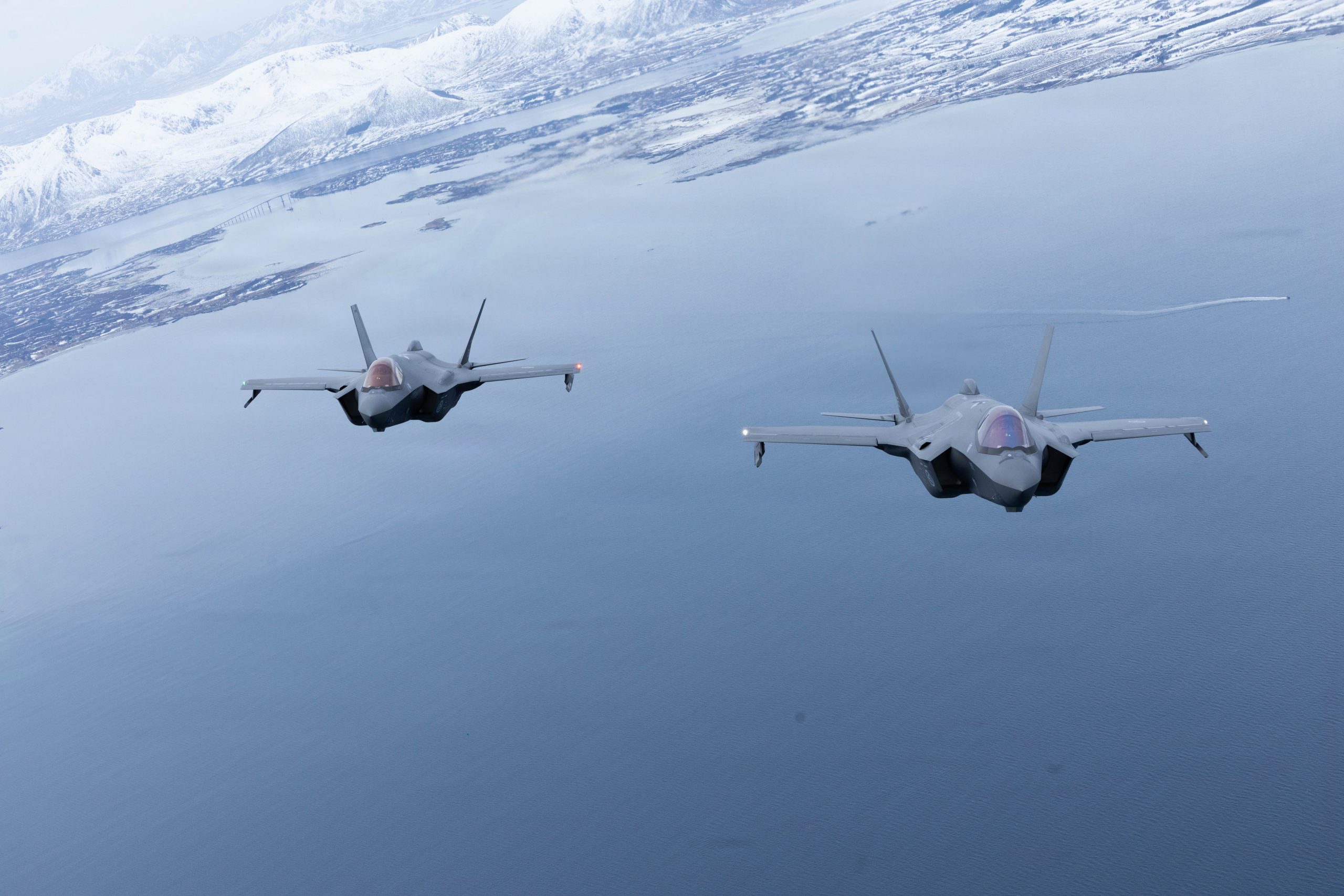
- F-35 Lightning II
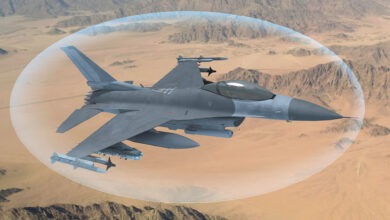
- F-16 Fighting Falcon
- E-3 Sentry airborne warning aircraft
- XQ-58A Valkyrie unmanned aerial vehicle
- Aegis Combat System naval air defense network
The network has played a major role in coalition air campaigns, naval operations, and integrated air defense missions around the world.
Future Outlook
As military networks evolve, Link 16 is expected to remain an important backbone of tactical communications.
Future upgrades may include:
- Improved anti-jamming capabilities
- Integration with next-generation data links
- Expanded connectivity with unmanned systems
At the same time, newer communication systems are being developed to complement Link 16 with higher bandwidth and stealthier transmissions.