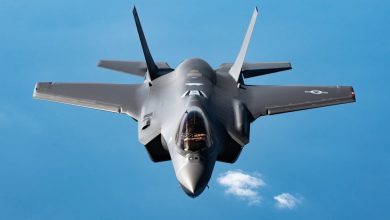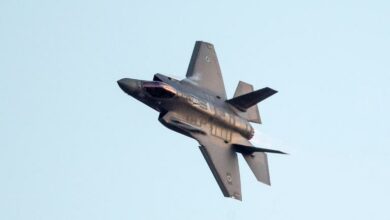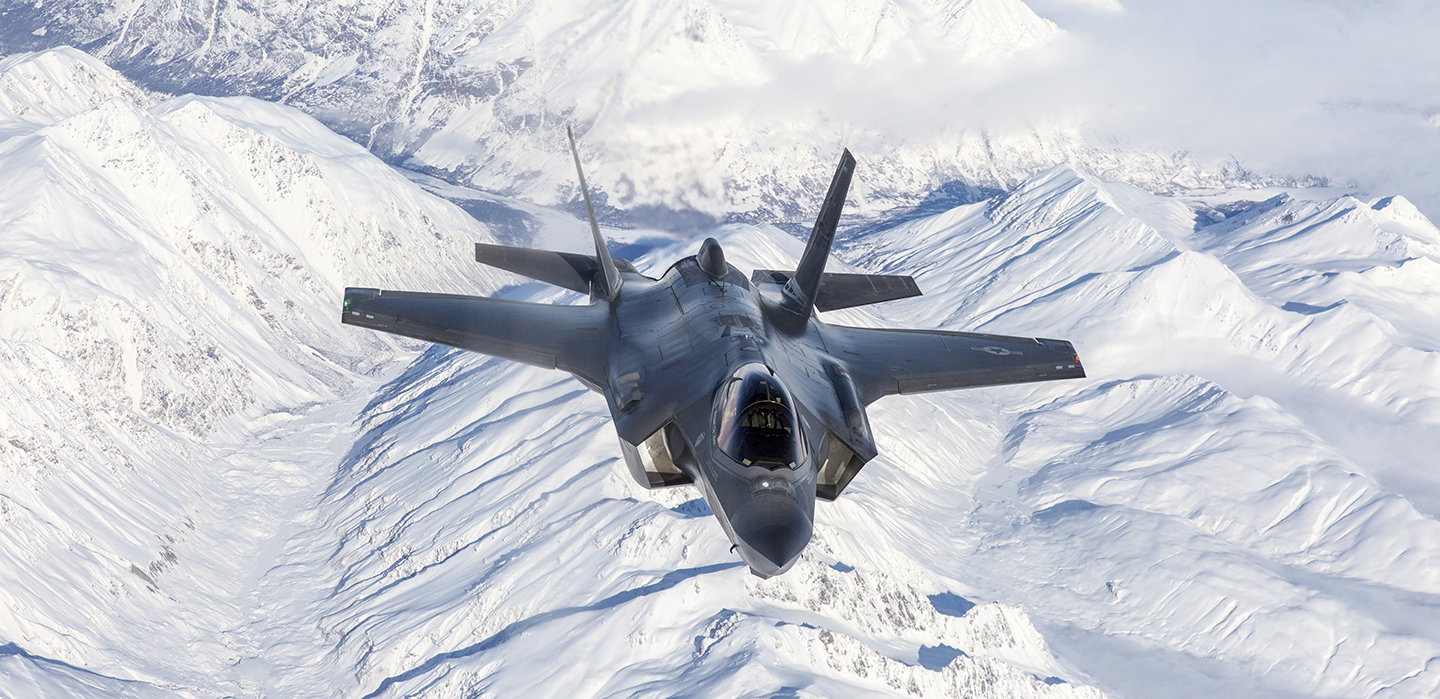
The US Department of Defense has awarded Lockheed Martin a $177.49-million contract modification to construct three F-35 flight sciences test aircraft, aimed at expanding the F-35 program’s flight-testing capacity and supporting Block 4 and future upgrades.
The modification builds on a separate $180-million award issued in April 2025 to convert three F-35s into flight sciences aircraft.
It expands the scope of work to include the labor and engineering support needed to design, build, and deliver three test aircraft across all F-35 variants: the conventional F-35A for the US Air Force, the short take-off and vertical landing F-35B for the US Marine Corps, and the carrier-based F-35C for the US Navy.
These aircraft are intended to replace existing F-35 test assets, prevent a capability gap, and enable comprehensive testing of Block 4 and other future upgrades under the Joint Strike Fighter program.
At the time of the award, $37.67 million was obligated for the current fiscal year, including $18.83 million each from the US Air Force and US Navy, with an additional $8.39 million provided by international partners.
Work will be distributed across seven locations in three countries. Fort Worth, Texas, and El Segundo, California, will handle the majority of the effort in the US, followed by Warton in the UK (20 percent) and Grenaa in Denmark (5 percent).
The program is expected to be completed by April 2031.
Flight Sciences Test Aircraft
A flight sciences test aircraft is essentially a flying laboratory equipped with advanced instrumentation to measure and validate an aircraft’s aerodynamic behavior, structural response, and overall performance across its full flight envelope.
Converting a production-representative aircraft into a flight sciences test aircraft typically involves installing specialized equipment — such as spin chutes, cameras, load sensors, and telemetry systems — while removing components not required for testing.
A shortage of such test aircraft has been cited as a factor in delays to the Technology Refresh 3 program, which underpins the Block 4 upgrades. The expanded Block 4 capability set will require a higher tempo of testing to achieve operational readiness on schedule.
The F-35 Joint Program Office initially planned to convert six aircraft for flight sciences work but later increased that number to nine, to be drawn from Lot 18 production, according to Air & Space Forces Magazine.