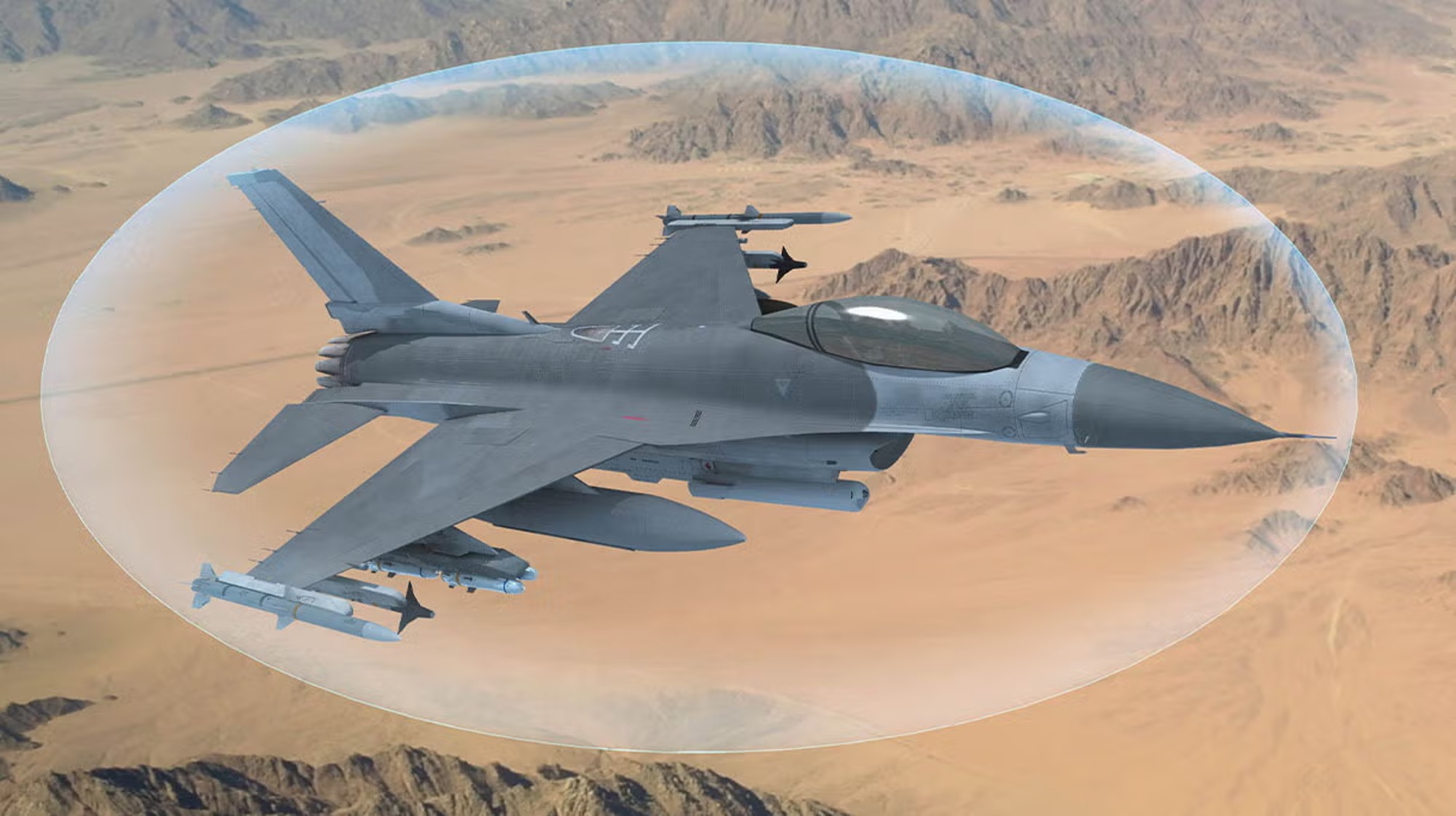
On a crowded battlefield of radar beams and guided missiles, even the fastest fighter can be seen before it sees back.
The Viper Shield turns the F‑16 into more than a jet — it becomes a digital ghost in the sky, sensing threats, confusing enemies, and staying one step ahead.
Discover how this invisible armor changes the rules of air combat and keeps pilots in control of the fight.
What Is Viper Shield?
The Viper Shield is L3Harris’ all-digital electronic warfare (EW) system, designed specifically to protect and enhance the F‑16 fighter aircraft.
Internally designated the AN/ALQ‑254(V)1, it’s engineered to detect, classify, and counter modern radar and electronic threats, essentially wrapping the aircraft in a digital shield of awareness and countermeasures.
It can be internally mounted or carried as an external pod, giving operators flexibility in deployment and sustainment.
How Viper Shield Came to Be
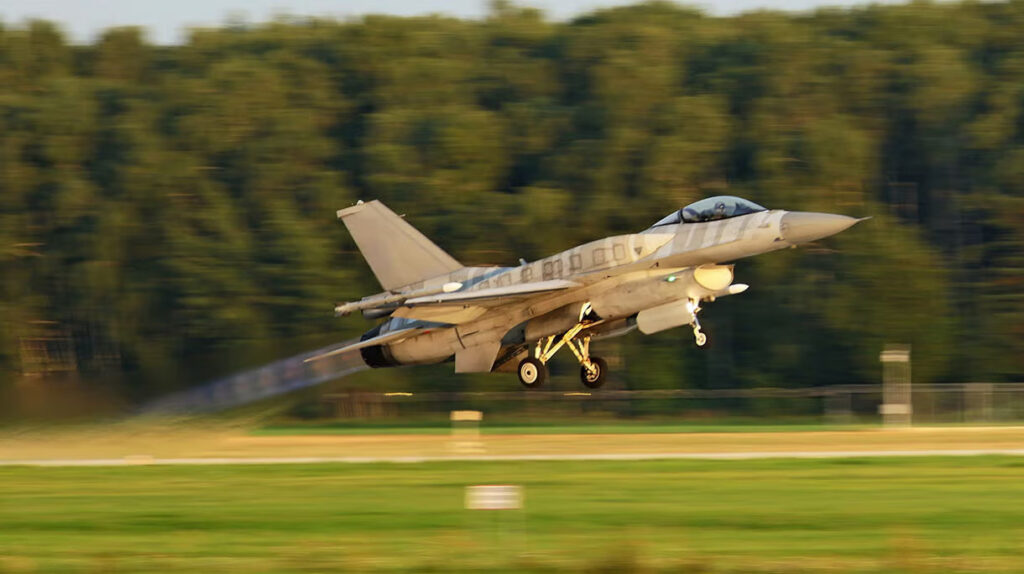
The idea for Viper Shield grew from a longstanding collaboration among L3Harris, Lockheed Martin, and the US Air Force to modernize the F‑16 fleet amid advanced radar threats.
It was conceived to leapfrog legacy EW kits, combining a software‑defined architecture with commercial‑off‑the‑shelf components to enable easier upgrades and lower life‑cycle costs.
Development has spanned several years, with rigorous lab and flight testing culminating in completion of Safety of Flight qualifications in November 2024 and a first flight on a Block 70 F‑16 three months later.
The program entered low‑rate initial production later that year and is poised for full‑rate production in 2026.
How Viper Shield Works
Through its software-defined framework, the Viper Shield brings together capabilities that provide tactical advantages that enhance performance and survivability:
Digital Radar Warning
Viper Shield continuously monitors the electromagnetic spectrum for radar emissions, alerting pilots to threats and classifying signal sources in real time. This improves situational awareness against sophisticated threats.
Radio Frequency (RF) Memory‑Based Jamming
Once a threat is detected, the system uses advanced digital RF memory techniques to jam or spoof hostile radar, disrupting their ability to lock onto the aircraft. This directly breaks the adversary’s targeting chain.
Modular Design
Modular line‑replaceable units (LRUs) and software‑defined architecture make Viper Shield easier to maintain and upgrade over time, lowering lifecycle costs and reducing aircraft downtime.
Strengths
- Seamless integration: Works smoothly with existing and next-generation mission computers, ensuring pilots gain enhanced situational awareness without major aircraft modifications or downtime.
- Flexible deployment: Available in both internal and podded configurations, making it adaptable for legacy and modern F‑16 variants while simplifying logistics and maintenance.
- Modular design: Built with LRUs and software-defined architecture, allowing rapid upgrades, easier repairs, and long-term cost efficiency.
Limitations
- Platform specific: Engineered for F‑16 aircraft; adaptation for other fighter platforms would require substantial redesign and integration efforts.
- Export restrictions: Sensitive EW technology is subject to strict international controls, which can delay or limit deliveries to partner nations.
- Pilot reliance: Optimal use depends on trained crews and integration into operational doctrine, meaning effectiveness can vary with human factors and mission planning.
Global Use
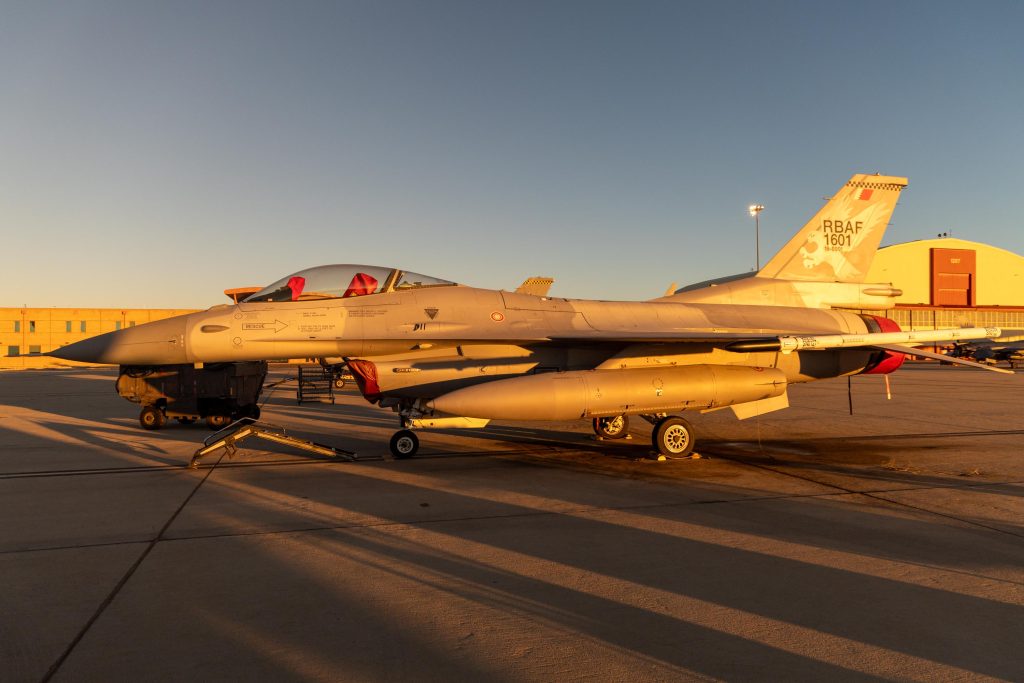
The shield has been selected by multiple partner nations, including Poland, Bahrain, Bulgaria, Morocco, Slovakia, and Taiwan, equipping their F‑16 fleets with advanced self‑protection. The US Air Force selected Lockheed Martin to handle the production for its numerous interested allies, expecting completion around 2028.
Future Outlook
As radar and electronic threats evolve, the Viper Shield’s software-defined design allows ongoing upgrades, such as enhanced spectral coverage, tighter integration with other sensors, and next-generation mission computers.
It represents a major step forward in electronic self-protection for the F‑16 fleet, improving survivability in contested electromagnetic environments and extending the relevance of legacy fighters.
Its effectiveness, however, depends on pilot training, doctrinal adaptation, and adherence to export regulations, and it remains limited to the F‑16.
While not a universal solution to all airborne threats, the Viper Shield delivers a clear operational advantage.