Upgrades can extend a platform, but sometimes, they redefine it. The Challenger 3 is not just a refresh of an aging fleet; it is a transformation of how the British Army approaches armored warfare.
Built to meet the demands of high-intensity conflict, Challenger 3 blends proven survivability with modern firepower and digital systems.
Here’s how it came to be, what sets it apart, and where it fits in the future battlefield.
What Is Challenger 3?
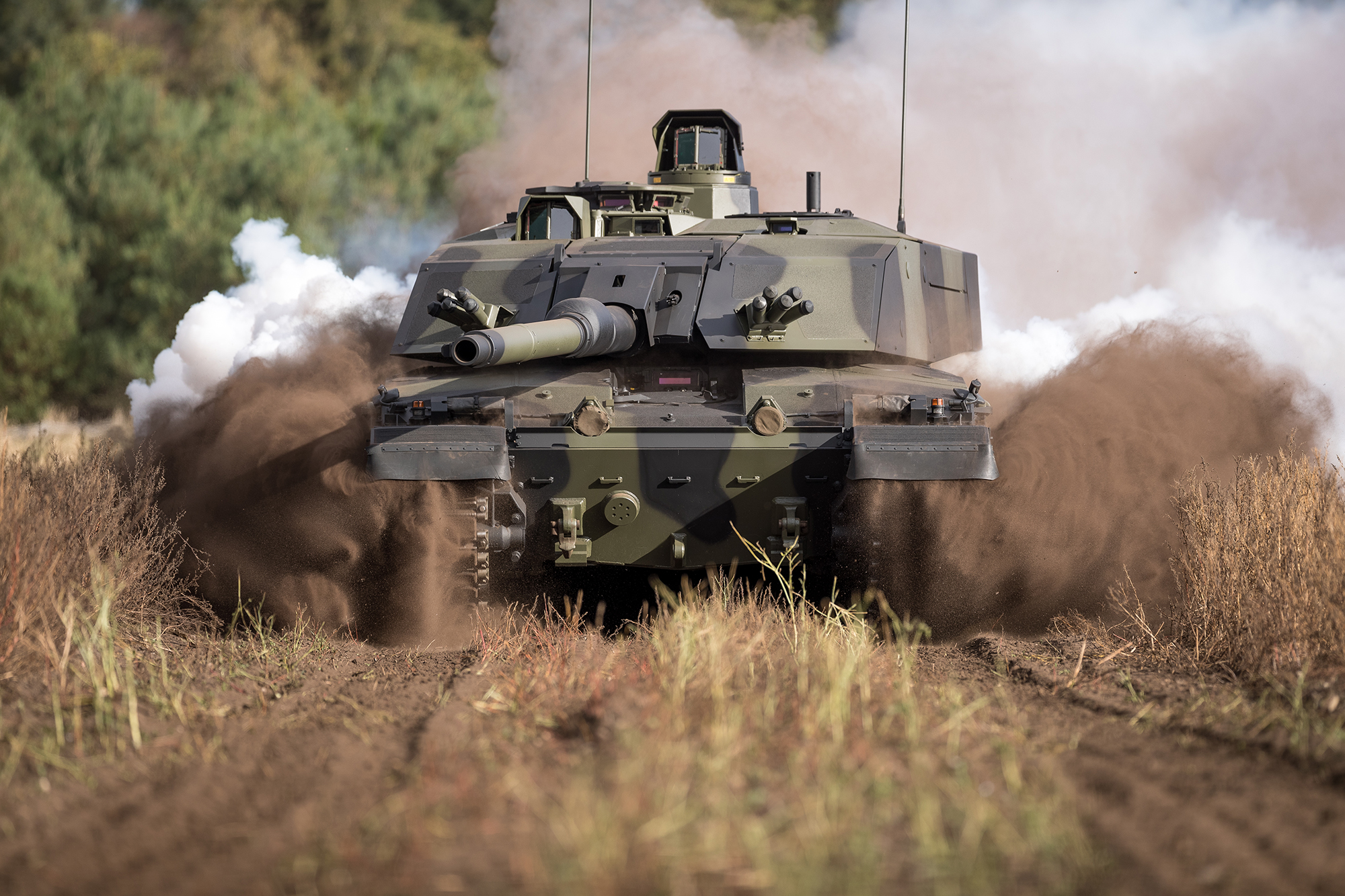
Challenger 3 is the next-generation main battle tank of the British Army, designed to replace and upgrade the existing Challenger 2 fleet.
Rather than a completely new platform, it is a comprehensive modernization program that enhances lethality, survivability, mobility, and interoperability with NATO allies.
At its core, Challenger 3 is built to operate in high-threat, peer-to-peer conflict environments, where advanced armor, precision firepower, and networked systems are essential.
Origins and Development
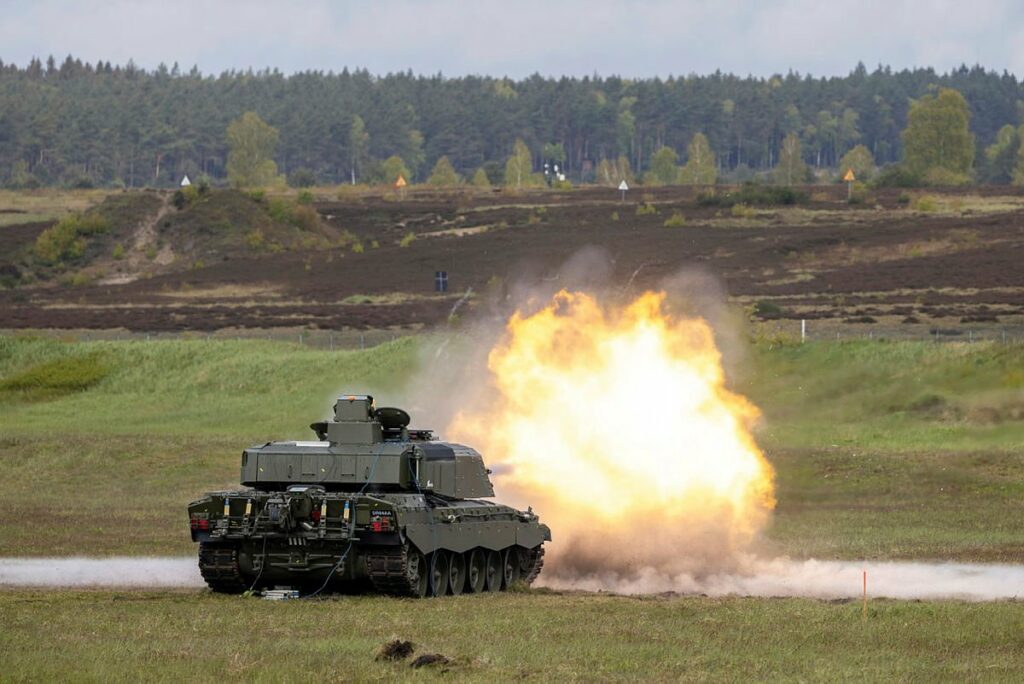
The Challenger 3 program emerged from the need to modernize the UK’s armored forces in response to evolving threats. The upgrade is led by Rheinmetall BAE Systems Land (RBSL), combining British and German expertise in armored vehicle design.
A key driver behind the program was the requirement to replace the Challenger 2’s rifled gun with a smoothbore system, aligning the UK with NATO standards.
This led to the integration of the Rheinmetall 120mm L55A1 gun, significantly improving compatibility with modern ammunition and increasing overall firepower.
Configurations of Challenger 3
The Challenger 3 is a major modernization of the Challenger 2, featuring upgraded systems to meet today’s battlefield demands.
- Armament:
- 120 mm L55A1 smoothbore gun (replaces rifled gun)
- Compatible with programmable and advanced kinetic ammunition
- Protection:
- Modular armor system for future upgrades
- Enhanced turret protection and potential protection systems, such as Trophy
- Sensors and fire control:
- Upgraded commander/gunner sights with long-range thermal imaging
- Digitized fire control and automatic target tracking
- Mobility and systems:
- Improved hydrogas suspension and powerpack for better movement and firing accuracy
- Modern electrical/electronic architecture for networking and integrated battlefield data
How It Works
Key Features
Challenger 3 introduces a new turret design, advanced digital architecture, and improved targeting systems.
The smoothbore 120mm gun enhances lethality, while upgraded sights and sensors provide better target acquisition in all conditions.
Its modular armor system improves protection against modern threats, and digital connectivity enables integration with allied forces on the battlefield.
Strengths
The tank’s primary strength lies in its balanced modernization, combining improved firepower, enhanced protection, and digital integration.
The adoption of NATO-standard ammunition simplifies logistics and increases operational flexibility.
Its upgraded systems also improve situational awareness and accuracy, making it more effective in both offensive and defensive roles.
Limitations
As an upgraded platform rather than a completely new design, Challenger 3 may have lower growth potential than next-generation tanks.
It also remains a heavily armored vehicle, which can affect mobility and deployability in certain environments.
Additionally, the absence of a fully integrated active protection system at introduction may require future enhancements.
Operational Role
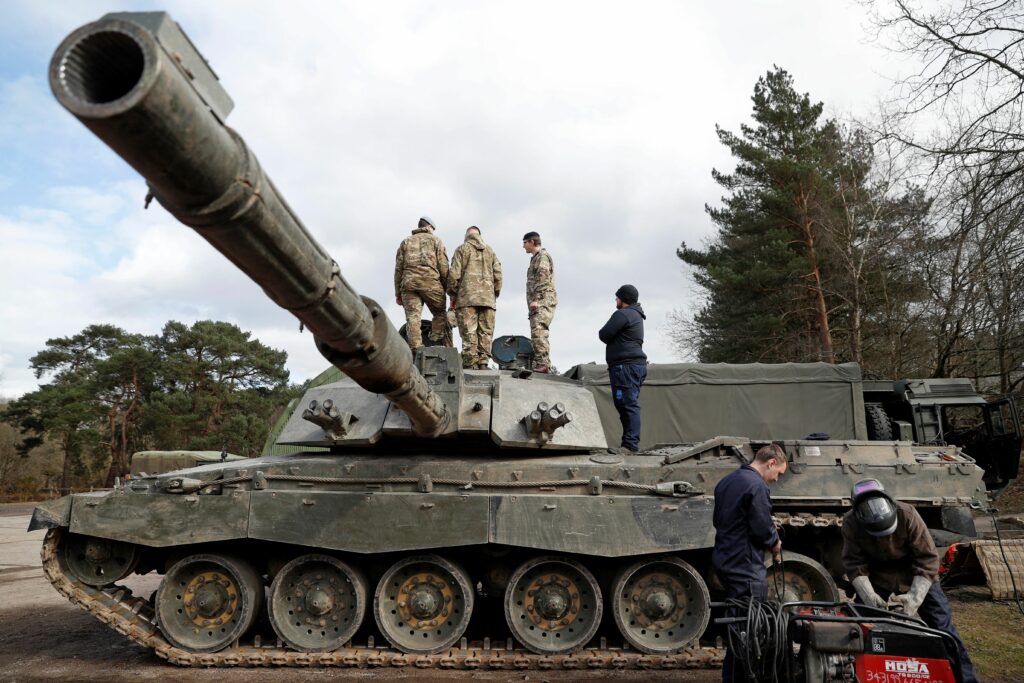
Challenger 3 is designed to serve as the backbone of the British Army’s armored warfare capability, supporting NATO operations and deterrence missions.
Its role includes frontline combat, defensive operations, and integration into multinational forces.
By aligning with NATO standards, the tank enhances interoperability, allowing UK forces to operate more seamlessly with allies such as Estonia and Germany in joint operations.
Future Outlook
Challenger 3 reflects a broader shift toward digitized, networked armored warfare. Future upgrades may include active protection systems, improved sensors, and integration with unmanned systems.
While it builds on an existing platform, Challenger 3 positions the British Army to remain competitive amid rapidly evolving threats.
It is not just an upgrade; it is a recalibration of armored capability for modern conflict.