Modern battlefields are deadly for armored vehicles. Long-range missiles and RPGs can threaten even the heaviest tanks. Traditional armor isn’t enough.
The Trophy Active Protection System (APS) changes the game. It detects incoming threats and destroys them before they hit, giving crews a critical edge in combat.
Combat-proven and widely deployed, Trophy APS is reshaping armored warfare. In this guide, we break down how it works, where it’s used, and why it matters.
What Is the Trophy APS?
The Trophy APS is a vehicle-mounted defense system designed to detect, track, and intercept incoming anti-tank threats such as:
- Rocket-propelled grenades (RPGs)
- Anti-tank guided missiles (ATGMs)
- Certain anti-armor projectiles
Rather than relying solely on passive armor, Trophy acts as a hard-kill defense system, physically destroying threats before they impact the vehicle.
The system was developed by Rafael Advanced Defense Systems, with radar technology supplied by Israel Aerospace Industries.
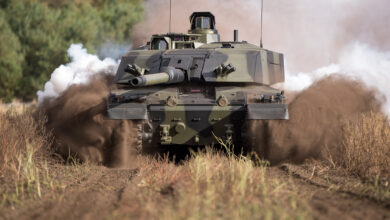
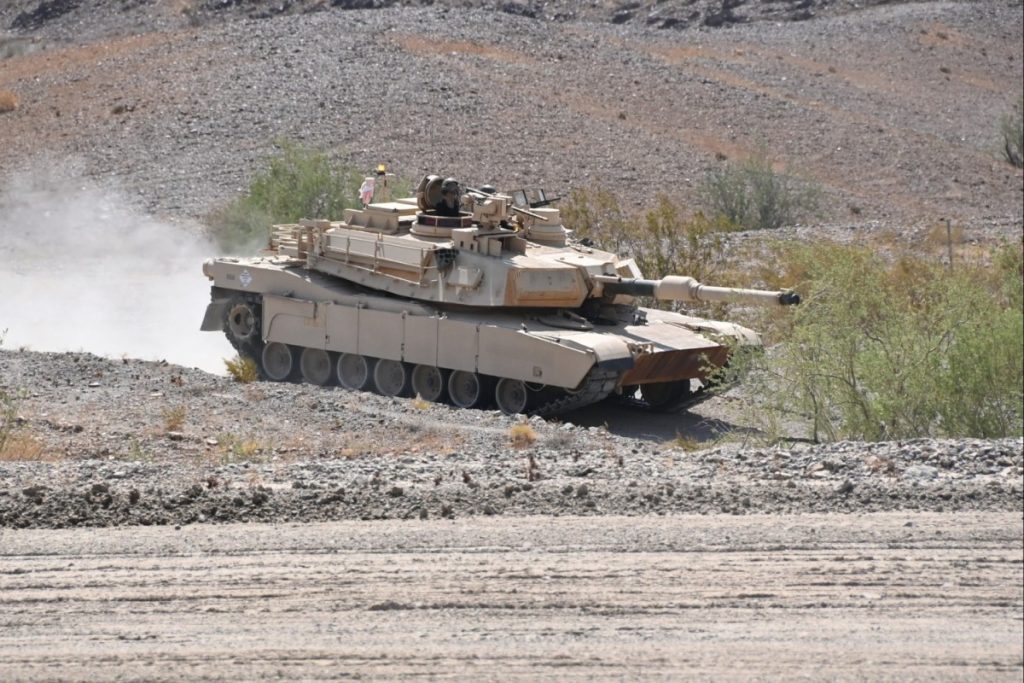
Trophy is widely deployed on modern armored platforms and has been integrated into tanks such as the M1 Abrams, Merkava Mk 4, Leopard 2A8, Challenger 3, and the K2 main battle tank.
How the Trophy APS Came to Be
The development of Trophy began in the 1990s as Israel faced increasing threats from portable anti-tank weapons.
During conflicts in Lebanon and Gaza, anti-tank missiles proved capable of damaging even heavily armored vehicles. This highlighted the need for a system that could intercept threats before impact.
In response, Rafael Advanced Defense Systems developed the Trophy APS. After extensive testing, the system entered operational service with the Israel Defense Forces in the early 2010s.
Since then, the technology has gained international attention and has been adopted by several allied militaries.
Variants and Configurations
The Trophy APS has been developed in multiple variants to suit different classes of armored vehicles:
1. Trophy HV (Heavy Vehicle)
This adaptation is designed for main battle tanks like the Israeli Merkava series and exported tanks such as the Leopard 2 variants in foreign armies.
It provides the full suite of sensors and interceptors, optimized for heavy armor and high-threat environments.
2. Trophy MV (Medium Vehicle)
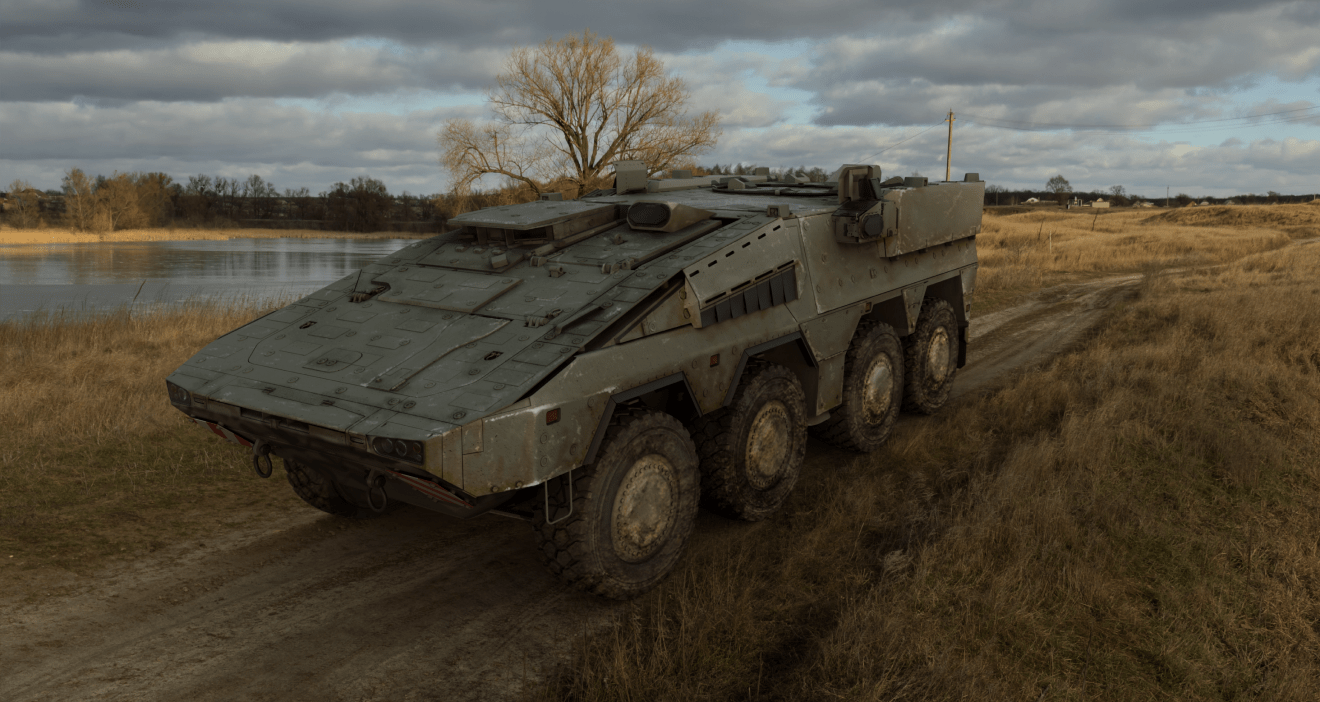
This is adapted for infantry fighting vehicles and medium armored vehicles and offers the same core defensive capability in a lighter, lower-profile package that fits smaller platforms.
3. Trophy LV (Light Vehicle)
This is a compact version for light armored vehicles and tactical vehicles that balances protection with weight and mobility constraints, suitable for reconnaissance and rapid-deployment platforms.
How Trophy APS Works
The protection system relies on an integrated radar to continuously monitor the vehicle’s surroundings.
This radar detects and tracks incoming missiles, rockets, or other projectiles almost instantly, providing real-time situational awareness.
Once a threat is identified, onboard computers calculate its trajectory to determine whether it poses a risk to the vehicle. If a collision is predicted, the system immediately activates its countermeasures.
Trophy APS neutralizes threats by firing a focused burst of interceptors that destroy or deflect projectiles before they reach the vehicle.
The interception occurs at a safe distance, minimizing risk to the crew and nearby friendly forces.
By combining rapid detection, precise tracking, and automated countermeasures, Trophy provides armored vehicles with a reliable layer of active protection against modern battlefield threats.
Strengths of the Trophy APS
- Combat-proven effectiveness: Trophy is one of the few active protection systems that has been successfully used in real combat conditions.
- Enhanced vehicle survivability: By destroying incoming threats before impact, the system significantly improves the survivability of armored vehicles and their crews.
- Situational awareness: Trophy can also identify the origin of incoming attacks, allowing the crew to respond quickly or engage the enemy.
Limitations of the Trophy APS
- Coverage limitations: Although designed for 360-degree protection, certain angles or simultaneous threats can still pose challenges.
- Cost and integration: Active protection systems add weight, complexity, and cost to armored vehicles, potentially limiting large-scale adoption.
Global Use and Operational Deployment
The Trophy APS has been adopted by several militaries around the world.
In addition to the Israel Defense Forces, it has been integrated into platforms used by the US Army, including the M1 Abrams main battle tank.
Other countries exploring or adopting Trophy include:
The system has proven especially valuable in environments where anti-tank missiles are widely used.
Future Outlook
Active protection systems are rapidly becoming a standard feature on modern armored vehicles.
Future developments of Trophy and similar systems may include:
- Improved protection against top-attack missiles
- Integration with vehicle sensor networks
- Enhanced capability against drone threats
As anti-tank weapons continue to evolve, active protection systems like Trophy will play an increasingly important role in protecting armored forces.