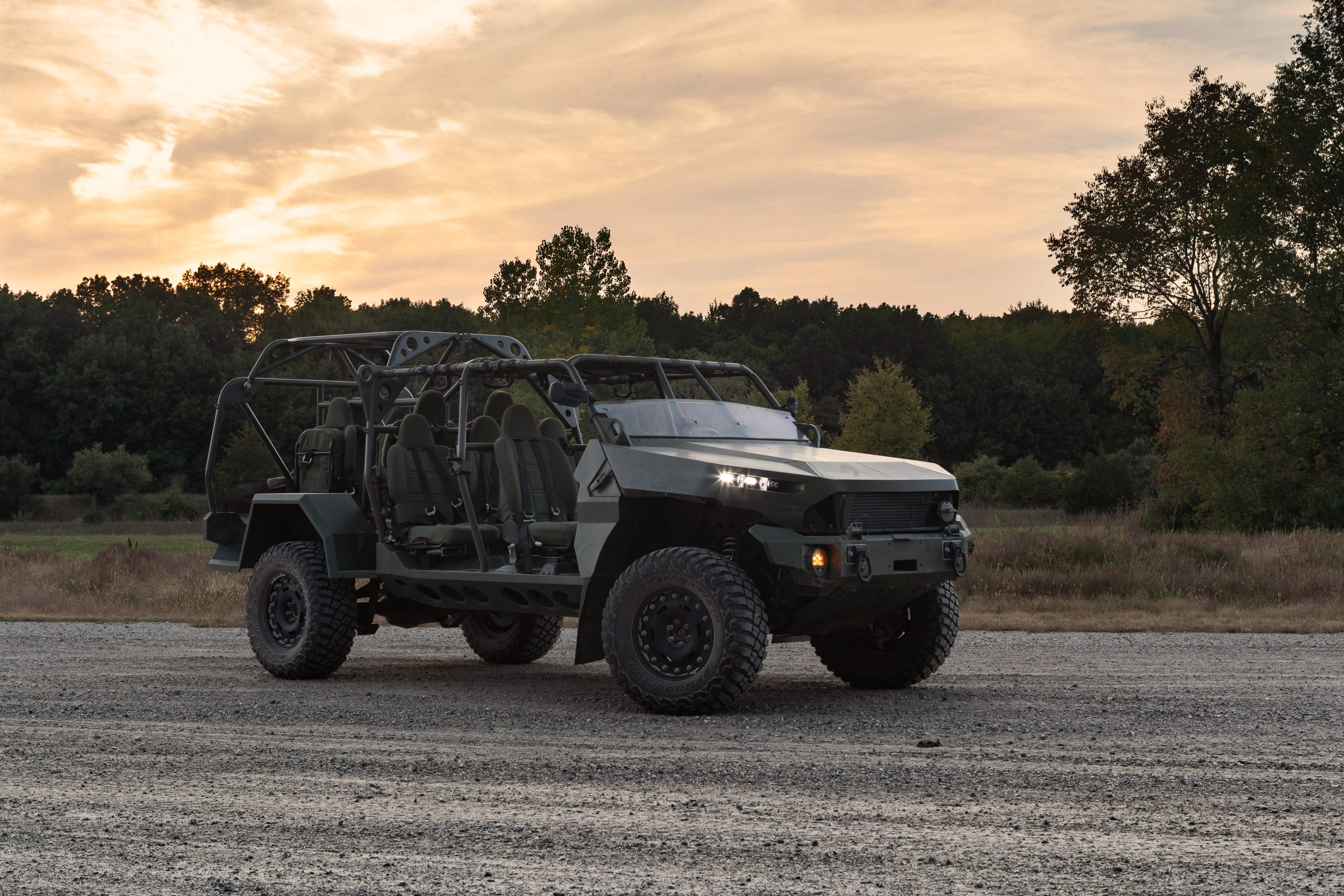
Speed over armor. Agility over bulk. The M1301 infantry squad vehicle was built around a simple idea: get soldiers where they need to be, and fast.
Designed for rapid deployment and flexible operations, the vehicle reflects a shift in modern warfare toward mobility and expeditionary capability.
Read on to explore the full picture of how the M1301 works, why it matters, and where it’s headed next.
What Is the M1301 Infantry Squad Vehicle?
The M1301 infantry squad vehicle (ISV) is a lightweight, all-terrain troop transport developed for the US Army’s Infantry Brigade combat teams.
Unlike heavily armored vehicles, it prioritizes speed, transportability, and off-road performance, enabling a nine-soldier infantry squad to move quickly across complex terrain.
It is designed to be internally transportable by helicopters such as the CH-47 Chinook and sling-load capable under rotary-wing aircraft, making it ideal for airborne and air assault operations.
| Category: | Details: |
| Type | Light utility / ultra-light tactical vehicle |
| Manufacturer | GM Defense |
| Primary Role | Rapid infantry transport and tactical mobility |
| Crew | 9 |
| Weight | 4,930 pounds (2,236 kilograms) |
| Payload Capacity | 3,200 pounds (1,450 kilograms) |
| Engine | GM Duramax 2.8L turbo-diesel I4 |
| Power Output | 275 horsepower |
| Transmission | 6-speed automatic (Hydra-Matic) |
| Drive System | 4×4 with 2-speed transfer case |
| Mobility Focus | High-speed, off-road capable, expeditionary mobility |
| Air Transportability | Sling-load (UH-60), internal (CH-47/CH-53), air-drop (C-17, C-130, A400M) |
| Protection | Roll-over protection, minimal armor (mobility-focused) |
How It Came to Be
The ISV program emerged from the US Army’s need to enhance tactical mobility for light infantry units. Traditional foot movement limited speed and endurance, especially across large or rugged operational areas.
The vehicle was developed by General Motors Defense in partnership with Ricardo Defense, leveraging commercial off-road racing technology, specifically drawing from the Chevrolet Colorado ZR2 architecture.
This approach reduced costs and accelerated development while maintaining durability.
Configurations of the Vehicle
While the base M1301 is designed as a troop carrier, its modular design allows for multiple configurations:
- Troop transport variant: Standard nine-passenger layout.
- Command and control variant: Equipped with communications systems for leadership roles.
- Weapons carrier: Configurable to mount machine guns or other support weapons.
Future variants may include reconnaissance or logistics-focused adaptations.
How It Works
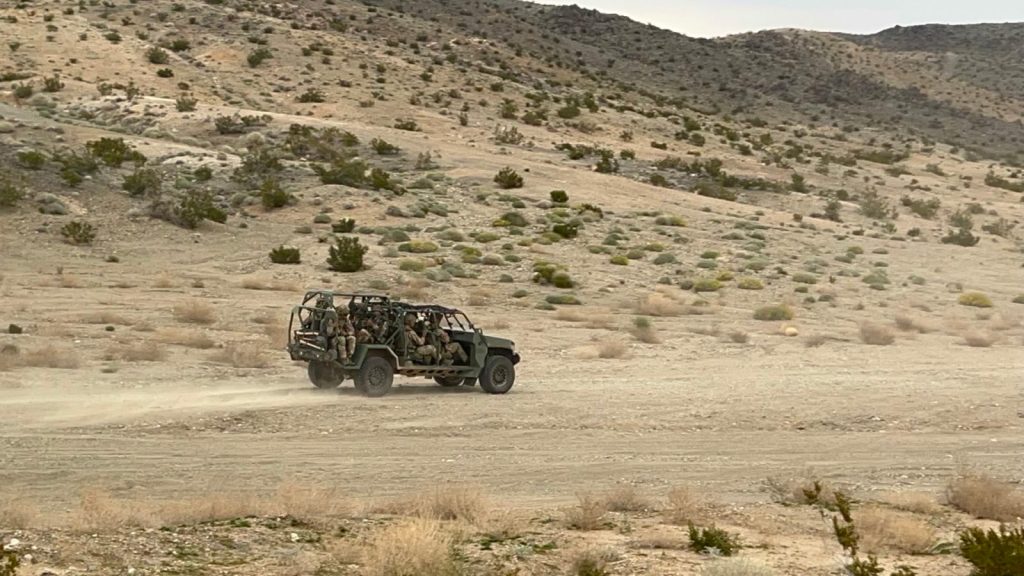
The ISV is engineered for mobility, deployability, and adaptability rather than direct combat.
Key Features
- Lightweight frame: Enables air transport and rapid deployment.
- High-speed off-road capability: Built for rugged terrain using racing-derived suspension.
- Compact design: Fits inside rotary-wing aircraft for quick insertion.
- Open architecture: Allows mission-specific customization.
Strengths
The ISV excels in rapid maneuver warfare, allowing infantry units to cover more ground faster than on foot. Its ability to deploy via helicopter significantly enhances operational reach, particularly in austere or contested environments.
Additionally, its reliance on commercial components simplifies maintenance and logistics.
Limitations
The vehicle’s primary trade-off is its lack of armor protection, leaving occupants vulnerable to small arms fire, improvised explosive devices (IEDs), and other battlefield threats.
It is not intended for frontline assault under heavy fire but rather for mobility and support roles.
Global Use and Operational Role
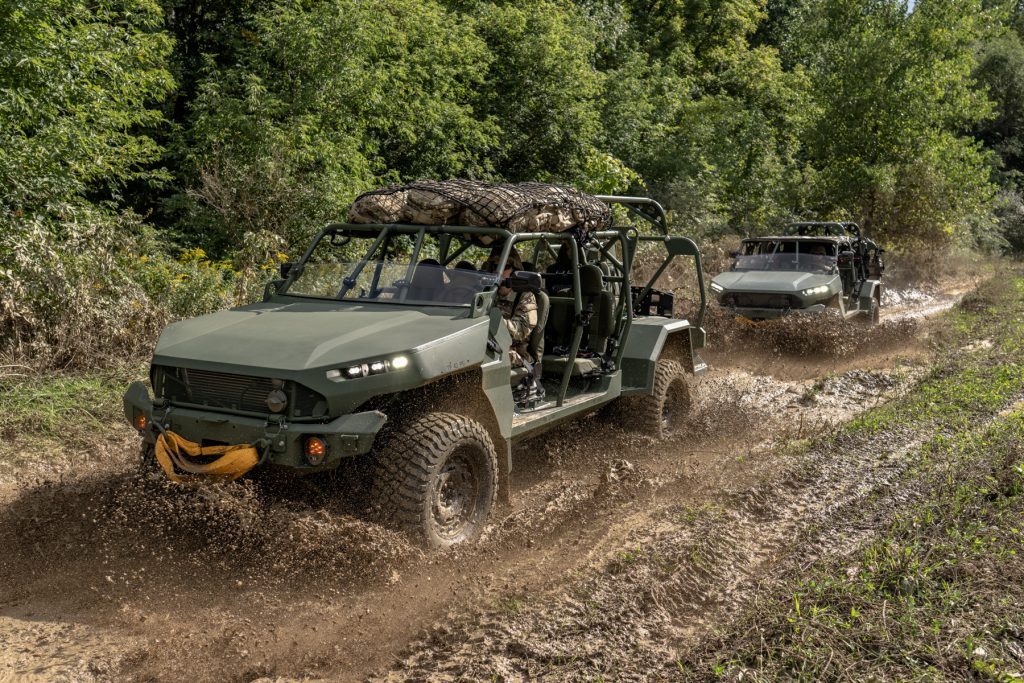
The ISV is currently fielded primarily by the US Army, where it supports airborne and light infantry units. Its role is to bridge the mobility gap between foot patrols and heavier armored vehicles.
Although not widely exported yet, its design aligns with global trends toward light, rapidly deployable forces, making it attractive to countries and militaries, such as the UK and UAE, focused on expeditionary operations.
Future Outlook
The M1301 ISV reflects a broader shift toward speed, flexibility, and distributed operations.
As militaries prepare for conflicts in diverse, contested environments, vehicles like the ISV will likely play an increasingly important role in enabling rapid maneuver and decentralized tactics.
Future developments may include enhanced protection systems, hybrid powertrains, or autonomous features, further expanding its operational utility.
While it will not replace armored platforms, the ISV is poised to remain a critical asset for missions where speed and access matter most.