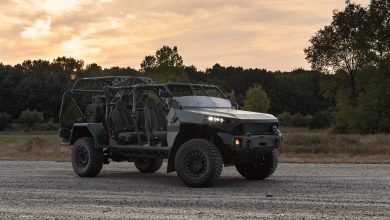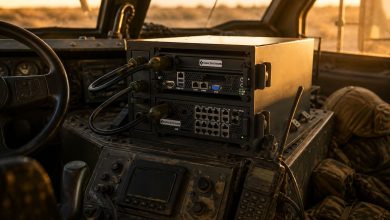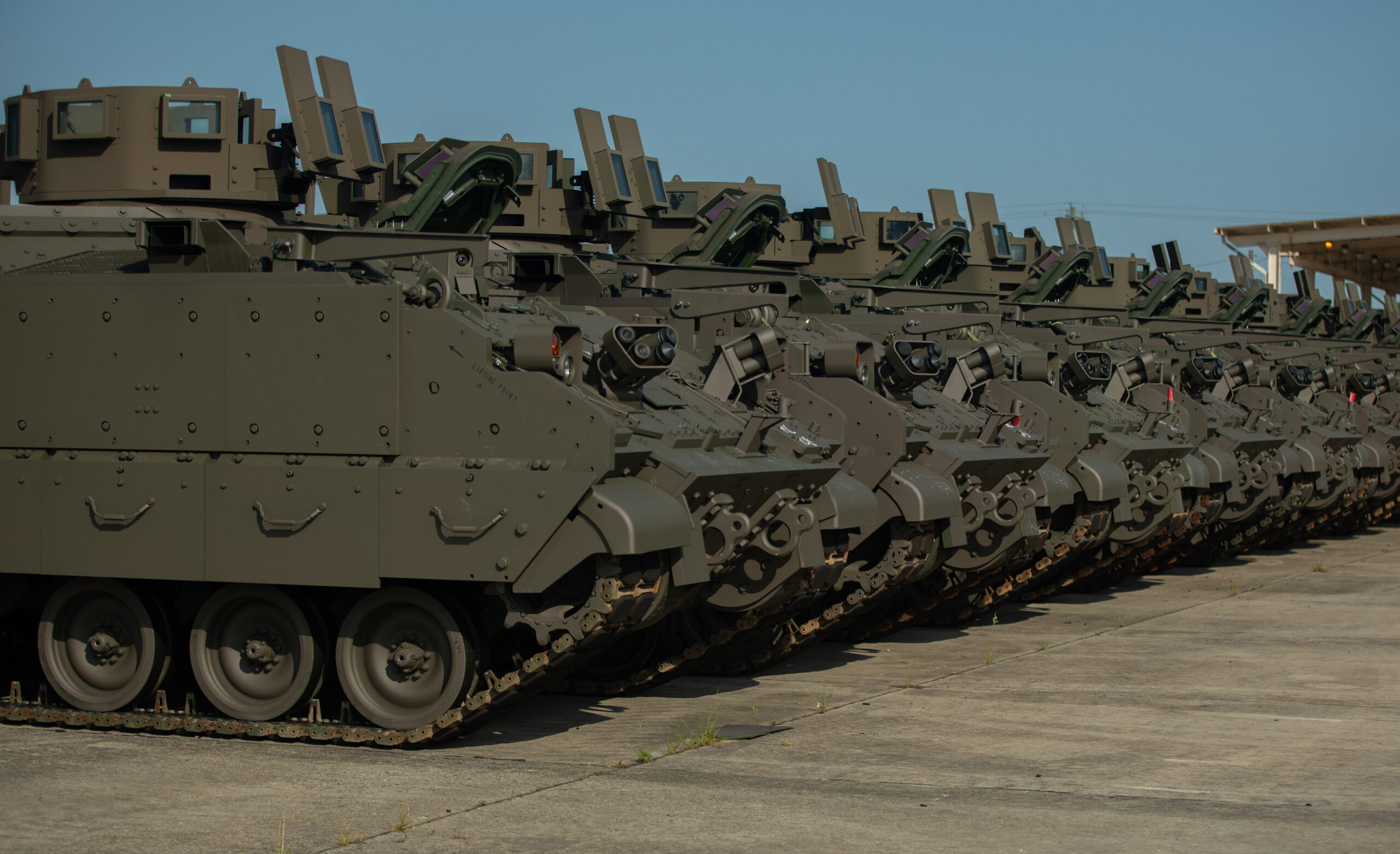
RENK America has partnered with BAE Systems and Forterra to integrate autonomous capability into the US Army’s Armored Multi-Purpose Vehicle (AMPV).
The collaboration will see the integration of RENK’s flagship HMPT transmission technology, which enables Forterra’s AutoDrive software to control the vehicle electronically without major hardware changes.
The company said the upgrade fits within the AMPV’s existing transmission space and installs as a plug-and-play kit, avoiding significant modifications of the platform.
Alongside the AMPV, the machine can be equipped in other ground military systems, including the Bradley fighting vehicle, the M109 Paladin 155-millimeter self-propelled howitzer, and the M270 Multiple Launch Rocket System.
RENK highlighted that its gearbox also supports BAE’s broader rapid capability kit effort aimed at accelerating the integration of advanced solutions across the army’s armored vehicle fleet.
“We’re focused on delivering capability that works in the real world,” said Corey Johnson, CEO of RENK America.
“Leveraging what’s already fielded and trusted is how you accelerate without taking unnecessary risk.”
The Armored Multi-Purpose Vehicle
Washington selected the AMPV in 2014 to take over the role of the US Army’s aging M113 tracked armored personnel carriers commissioned in the 1960s.
The new vehicle incorporates a turretless architecture that is modeled after BAE’s Bradley design, with the chassis constructed with aluminum and anti-explosive materials.
It is 6 meters (20 feet) long and is fitted with a Cummins diesel engine with an output of approximately 670 horsepower for a speed of over 60 kilometers (37 miles) per hour and a range of more than 360 kilometers (224 miles).
The system can be equipped with weapons such as heavy machine guns, automatic grenade launchers, and mortars.
In addition to its general-purpose configuration, the AMPV is available in mission command, mortar carrier, and emergency variants, promoting flexibility across various operational requirements.