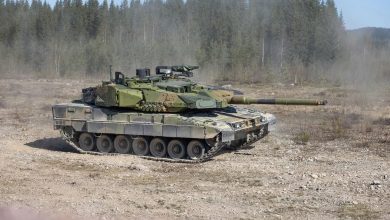
Imagine a vehicle shaped by decades of armored warfare, built for a battlefield that demands more than armor and firepower, but sharper vision, faster data, and split-second decision support.
That’s the story of the British Army’s Ajax fighting vehicle — a next-generation digital platform designed to transform raw battlefield data into decisive action.
But the program has been anything but straightforward. Delays, technical hurdles, and rising costs have turned Ajax into one of the most controversial modernization efforts in recent years.
Ready to uncover its evolution, variants, workings, world use, and what lies ahead? Let’s dive in.
What Is the Ajax Fighting Vehicle?
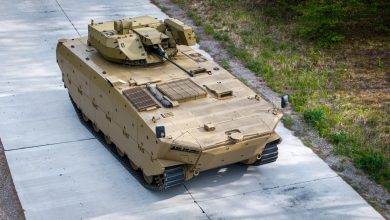
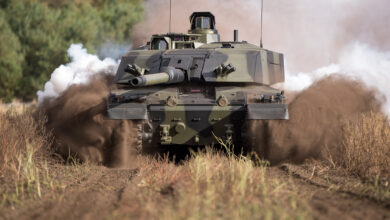
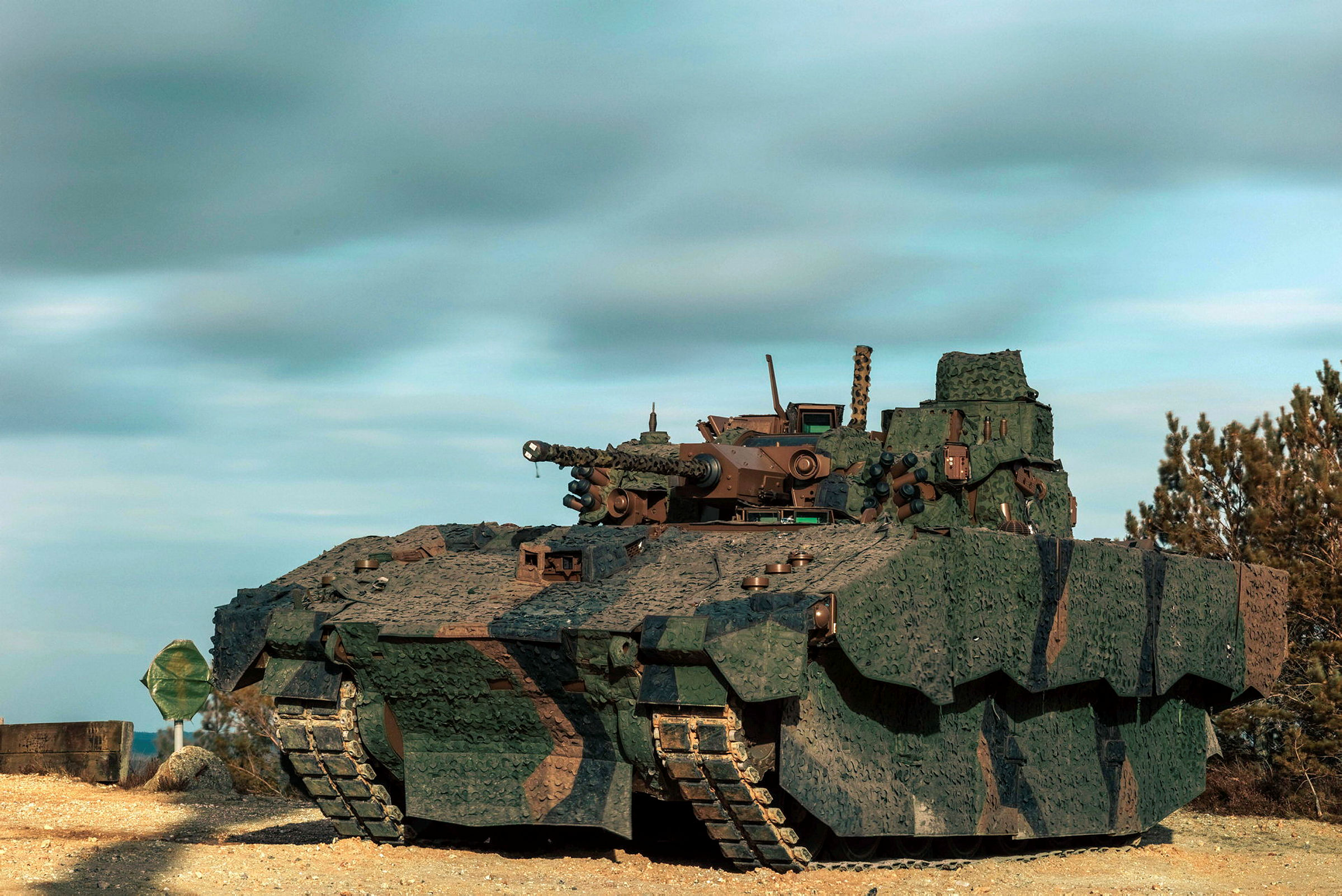
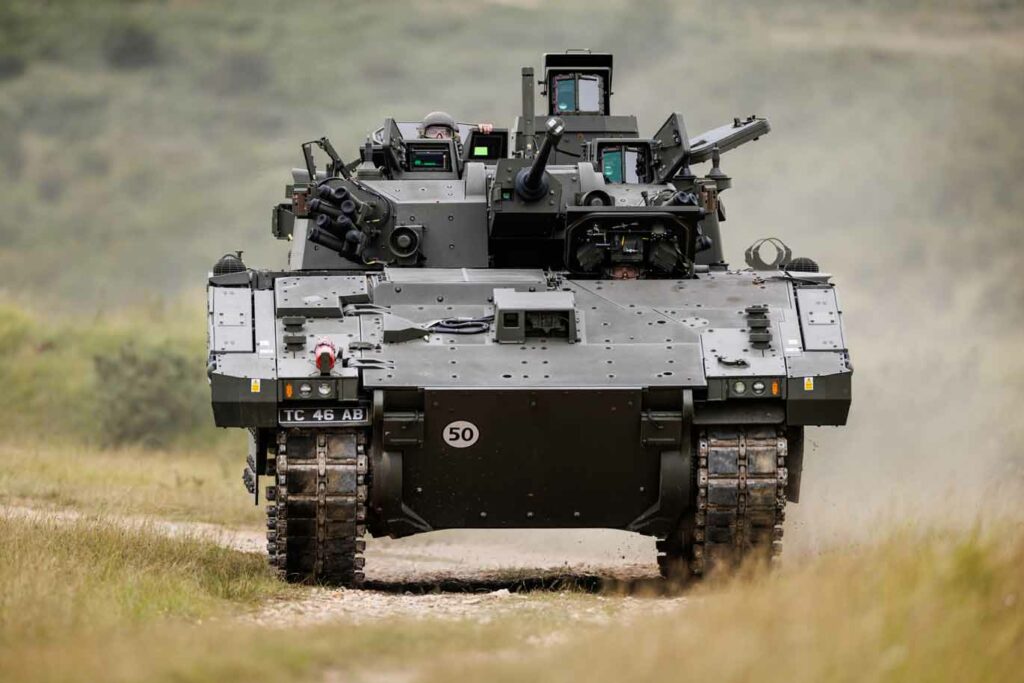
At its core, Ajax is a next-generation family of all-terrain, tracked armored fighting vehicles featuring advanced digital integration built by General Dynamics UK for the British Army.
It’s built as a digitally integrated, multi-mission armored fighting vehicle, engineered to excel at reconnaissance, rapid target acquisition, and providing commanders with real-time situational awareness.
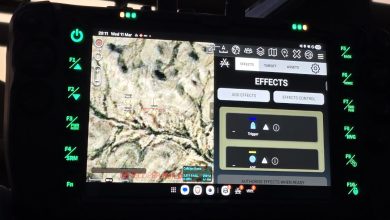
Every sensor, system, and interface is designed to feed battlefield intelligence directly to the crew, enabling split-second decisions in high-stakes environments.
As part of a broader effort to modernize the UK’s strike and reconnaissance forces, Ajax is not just an upgrade, but a full-scale replacement for platforms that have been in service since the 1970s.
From Vision to Reality
The Ajax story began in the early 2010s when the UK Ministry of Defence selected General Dynamics UK to deliver a family of advanced armored vehicles under the Future Rapid Effects System (FRES) program.
Based on the ASCOD 2 chassis, the vehicle family was originally contracted in 2014, with deliveries expected from 2017.
However, the program encountered multiple delays and technical challenges, particularly high levels of noise and vibration that affected crew safety and testing schedules, stretching delivery timelines by several years.
Through redesigns, trials resumed, and deliveries have now begun toward an initial operational capability.
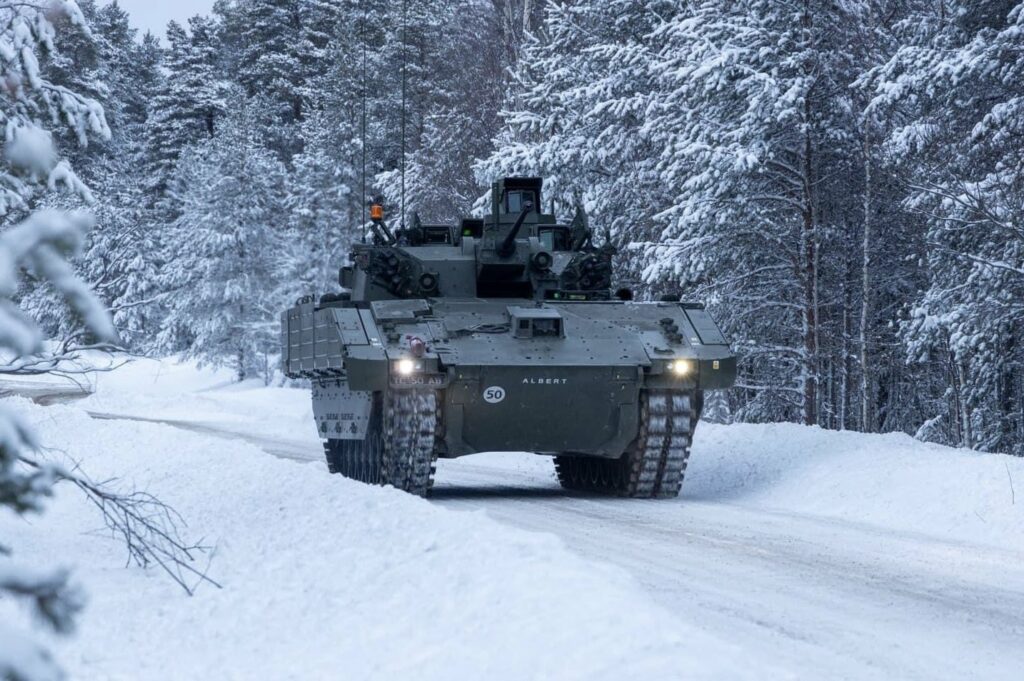
A Family of Purpose-Built Platforms
The Ajax program isn’t a single vehicle — it’s a family designed around a common chassis but tuned for different battlefield roles.
As of 2025, the confirmed baseline variants are:
- Ajax: The turreted reconnaissance and strike variant, feeding real-time battlefield intelligence while engaging threats with precision fire.
- Ares: Provides protected mobility and reconnaissance support, safely transporting specialist teams across the battlefield.
- Athena: A mobile command-and-control hub, turning battlefield data into actionable decisions for commanders on the move.
- Apollo: Frontline repair vehicle equipped with cranes and tools to maintain and restore fleet readiness under combat conditions.
- Atlas: Armored recovery vehicle capable of towing and rescuing disabled or damaged units across rugged terrain.
- Argus: Engineering reconnaissance vehicle that surveys terrain and obstacles to support maneuver and battlefield planning.
Most variants share the same digital backbone and mobility profile, but each is optimized for its primary mission rather than being mere upgrades of a base type.
Inside the Beast
Ajax isn’t just armored hardware — it’s a digital combat system. The vehicle’s key features revolve around three fundamental pillars:
Integrated Digital Architecture
Ajax uses a fully digital open-architecture system that processes and shares battlefield data at high speed, enabling rapid decision-making, sensor fusion, and real-time connectivity with other units.
Its sensors and communications are built not just to observe but to network the battlefield.
Firepower and Protection
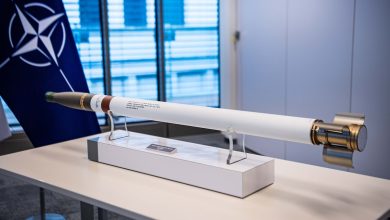
The main reconnaissance variant mounts a 40mm CTA International CT40 cannon, using modern telescoped ammunition with long effective range, supported by a 7.62mm coaxial weapon.
Armor and internal systems are designed for multi-threat environments, though there remain debates over the level of passive protection relative to peers.
Mobility and Crew Systems
Powered by a strong diesel engine and advanced suspension, Ajax can move at up to 70 kilometers (43 miles) per hour on the road while surviving rugged terrain.
Crew ergonomics and user interfaces emphasize reduced workload and extended mission capability, though ongoing issues with interior noise and vibration have spotlighted human-system challenges.
Strengths
- Digital battlefield integration: Ajax’s open architecture digital backbone enables rapid data sharing, sensor fusion, and seamless connectivity across units, accelerating decision-making in complex operations.
- Modular variants for diverse missions: Built on a common chassis, the Ajax family supports reconnaissance, command, engineering, repair, and recovery roles without sacrificing mobility or interoperability.
- Advanced sensors and fire control: Equipped with modern electro-optical systems and the 40mm CT40 cannon, the platform can detect, track, and engage targets at extended ranges with high precision.
Limitations
- Development delays and crew comfort issues: Noise and vibration problems during trials significantly delayed fielding and highlighted the importance of human-system integration in modern armored fighting vehicles.
- Mixed debate over protection levels: While well-armored for its class, questions remain in some defense circles about survivability against top-tier anti-armor threats.
- Phased operational rollout: Full operational capability is still being delivered in stages, meaning the platform has not yet been comprehensively proven under sustained combat conditions.
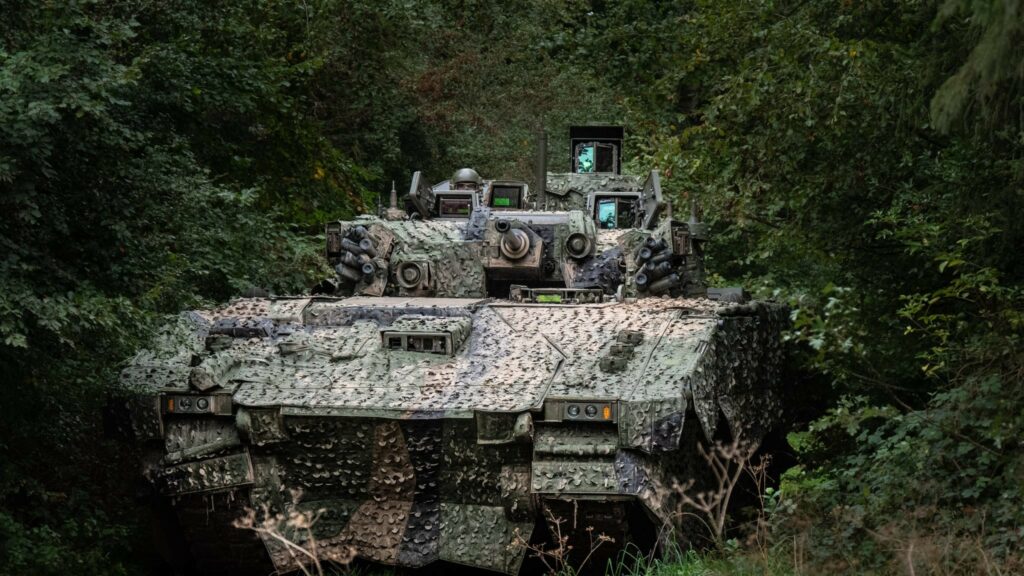
Only Just Beginning: Global Use
So far, Ajax is primarily a UK-centric program, delivering hundreds of vehicles to British units and achieving initial operational milestones.
The family is forming the backbone of future Armoured and Deep Reconnaissance Strike Brigades and underpins NATO interoperability ambitions.
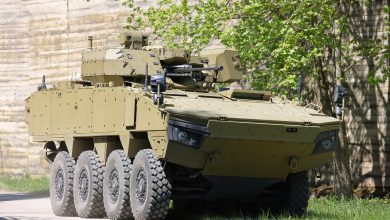
Interest abroad has grown, with Poland and other NATO nations evaluating the platform and the new infantry fighting vehicle (IFV) variant for possible acquisition, reflecting a global search for tracked, network-capable combat vehicles that can adapt to near-peer conflicts.
Evolving Battlefield DNA: Future Outlook
Ajax’s future is far from static. With continuing deliveries, expanded variants (IFV, mortar carriers), and potential 120mm mortar and other configurations in discussion, the platform is positioned to evolve.
Its digital architecture means future upgrades (thermal sleeves, active protection systems, AI-enabled battle management, unmanned integration) can be incorporated without wholesale redesign.
Yet challenges remain: delivering full operating capability into the late 2020s, ironing out human-system issues, and proving long-term reliability under combat conditions will be decisive tests for Ajax.