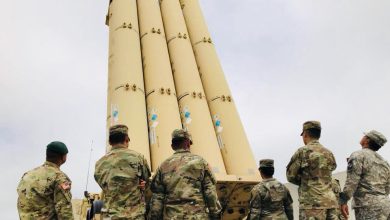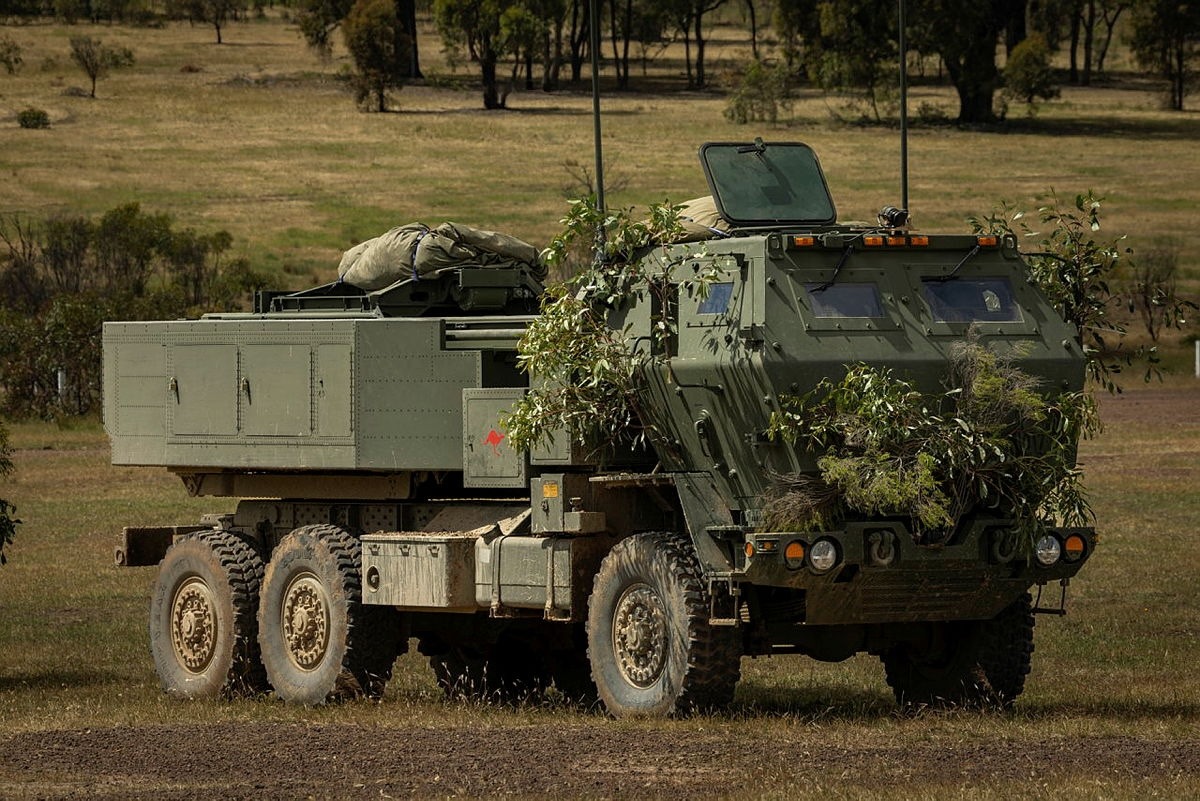
Australia has selected Lockheed Martin’s High Mobility Artillery Rocket System (HIMARS) and the Precision Strike Missile (PrSM) to enhance the army’s long-range strike capabilities.
Lockheed’s HIMARS beat out Thales and Kongsberg’s joint bid of the StrikeMaster, a system unveiled in 2022 that comprises a pair of Naval Strike Missiles mounted on a locally-built Bushmaster protected mobility vehicle.
In addition to selecting the HIMARS and PrSM, Canberra will also stand up a second long‑range fires regiment at the Edinburgh Defence Precinct in South Australia.
The regiment intends to enhance the Australian Defence Forces’ (ADF) ability to engage targets at ranges of up to 500 kilometers (311 miles), with future increments extending beyond 1,000 kilometers (621 miles) to meet 2026 National Defence Strategy needs.
Australian Long-Range Fires
The Australian government is investing up to 37 billion Australian dollars ($26.5 billion) over the next 10 years to strengthen targeting and long-range strike capabilities.
In March 2025, the ADF received its first HIMARS — capable of firing the Guided Multiple Launch Rocket System (GMLRS) and PrSM — assigned to the first long-range fires regiment.
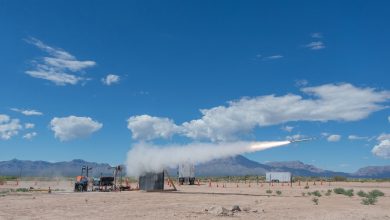
During Exercise Talisman Sabre 25, the launchers successfully test-fired a PrSM for the first time two years ahead of schedule.
The system also test-fired Australia’s first locally-made GMLRS missile earlier this month.
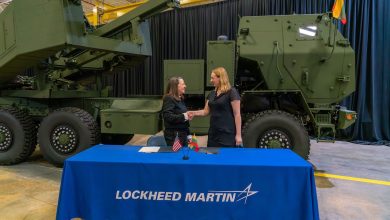
Prior to Australia’s formal selection of HIMARS and PrSM, Canberra and Lockheed Martin had already been advancing discussions on integrating Australian industry into the systems’ supply chains and sustainment processes.
The US and Australia signed an agreement for the PrSM program in June 2025, which will provide the ADF with access to the missile and pave the way for domestic industry to join the supply chain, as well as a future option for the missile’s local manufacture and maintenance.
In March this year, the Australian subsidiaries of Lockheed Martin and Rheinmetall began exploring in-country sustainment for Australia’s HIMARS.