Raytheon to Supply SeaRAM Close-In Defense System for Australia’s Future Frigate Fleet

Mitsubishi Heavy Industries has awarded Raytheon a contract to provide SeaRAM ship self-defense systems in support of Australia’s 11 upgraded Mogami-class frigates, which are being procured under the Sea3000 General Purpose Frigate program.
Under the contract, Raytheon will supply SeaRAM launchers, blast test vehicles, and technical support for installation and testing on the first three ships, with deliveries expected to begin in late 2028.
The Sea3000 program is aimed at replacing Australia’s ageing Anzac-class frigate fleet, the first of which entered service in 1996.
SeaRAM is already fitted to Japan’s 12 in-service Mogami-class frigates and to a similar number of 06FFM-class frigates under construction for Japan, which form the design basis for the Australian variants.
“SeaRAM extends the defensive reach of a ship beyond traditional close-in weapon system ranges,” president of Naval Power at Raytheon, Barbara Borganovi, said.
“By integrating SeaRAM on the Royal Australian Navy’s new surface combatants, Australia gains a proven, highly effective terminal air and missile defense layer for its future fleet.”
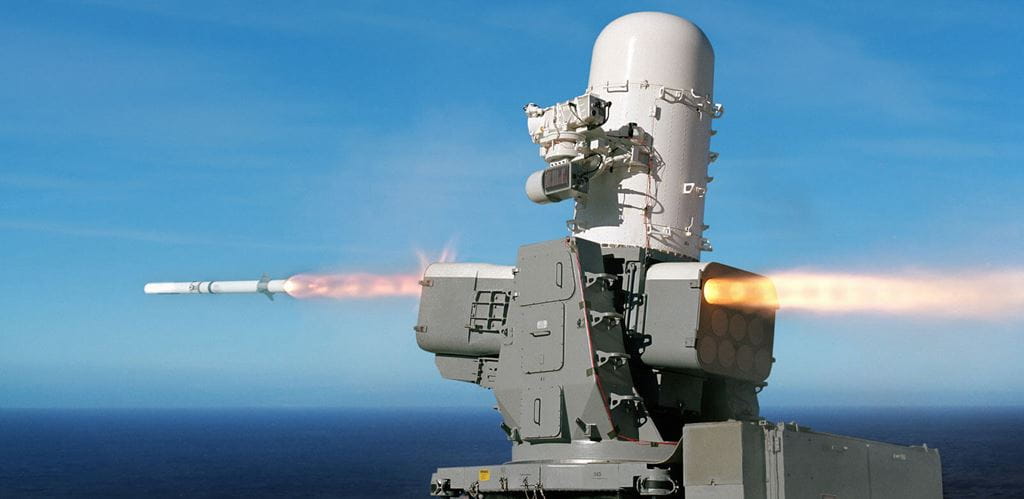
SeaRAM
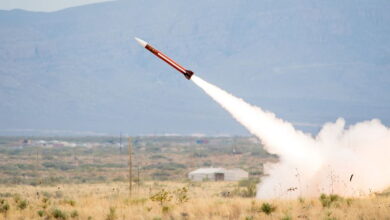
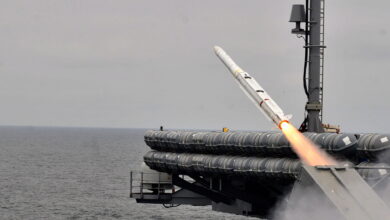
SeaRAM combines the Phalanx close-in weapon system with the Rolling Airframe Missile (RAM) to provide autonomous terminal defense against supersonic and subsonic threats such as cruise missiles, drones, and helicopters.
The system replaces the Phalanx 20mm Gatling gun with a missile launcher capable of engaging targets and firing up to 11 RAM missiles, combining missile range and agility with Phalanx Block 1B’s high-resolution tracking sensors and rapid response capability.
As an above-deck, plug-in upgrade, SeaRAM retains the same footprint and power requirements as the Phalanx system, requiring minimal platform modification while delivering a cost-effective enhancement in ship self-defense capability.