The US Department of the Navy has selected L3Harris Technologies’ Red Wolf launched-effect vehicle for the US Marine Corps’ Precision Attack Strike Munition program to enhance the range and survivability of its rotary-wing platforms.
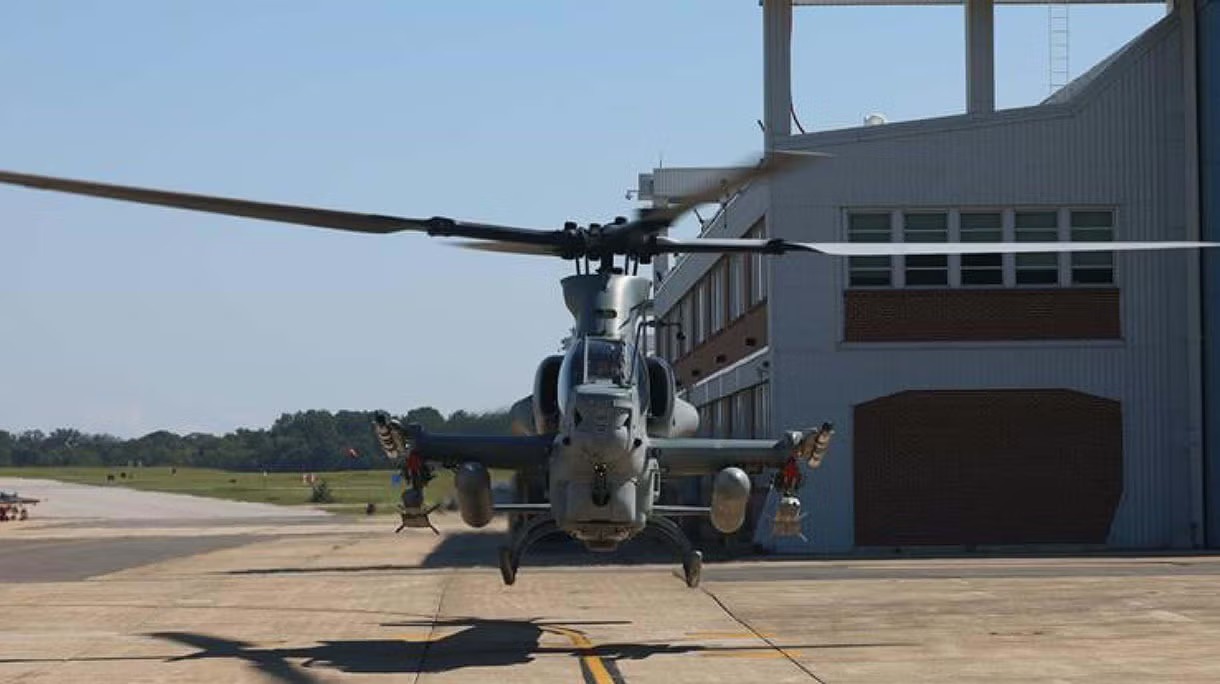
The decision follows 52 flight tests, including recent low-altitude firings from an AH-1Z Viper helicopter.
The contract was awarded under an Other Transaction Agreement, a contracting mechanism used by the US government to streamline research, development, and prototyping.
Under the agreement, L3Harris Technologies will deliver all units, manuals, training, support equipment, and test equipment for the AH-1Z platform by the end of fiscal year 2027.
“Recent conflicts and incursions over NATO airspace, particularly with the increased use of mass-produced drones, demonstrates the urgent need for cost-effective alternatives to exquisite munitions,” Chairman and CEO of L3Harris Christopher Kubasik said.
“Our proven Red Wolf system can bring affordable mass to the Marine’s arsenal of advanced munitions within the timeline US officials have outlined to support the most lethal fighting force in the world.”
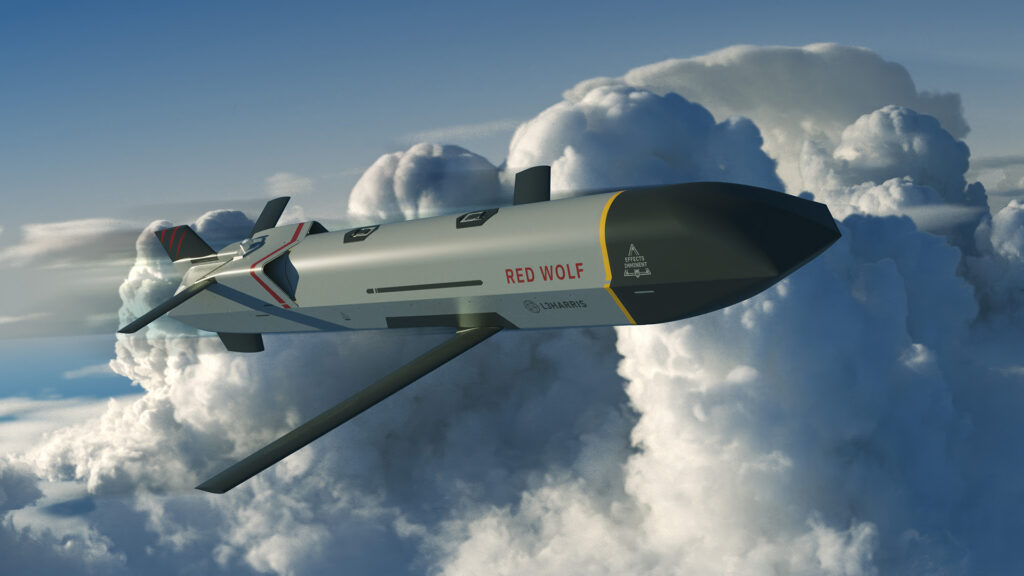
Red Wolf
With a range exceeding 200 nautical miles (approximately 230 miles/370 kilometers) and an endurance of more than 60 minutes, the Red Wolf is designed for long-range missions beyond the reach of existing rotary-wing munitions such as the AGM-114R-4 Hellfire and the Joint Air-to-Ground Missile – Medium Range (JAGM).
The Hellfire has an effective range of about 21 miles (34 kilometers), while the JAGM is limited to roughly 10 miles (16 kilometers).
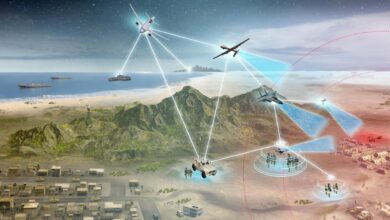
In addition to precision strike, the Red Wolf can conduct non-kinetic missions including communications relay, signal detection, electronic attack, and decoy operations.
According to L3Harris, these capabilities significantly expand the number of aircraft able to engage long-range targets.
With an estimated unit cost of around $300,000 and production scalable to approximately 1,000 units per year, the Red Wolf is positioned to augment limited inventories of high-cost long-range strike weapons in a protracted peer conflict.
Equipped with payloads weighing up to 25 pounds (11.4 kilograms), the munition can be employed to degrade target sensor systems prior to follow-on salvos from larger anti-ship weapons such as the Long-Range Anti-Ship Missile or the Joint Strike Missile.