When a modern warship detects a submarine lurking beneath the waves, seconds can decide whether the threat is neutralized or the enemy escapes.
That’s where the MK 54 lightweight torpedo comes in — a compact, agile, and highly capable weapon designed to track and destroy submarines with precision.
Discover how this torpedo works, its variants, and why it has become a mainstay of allied naval arsenals worldwide.
MK 54 Lightweight Torpedo: Definition
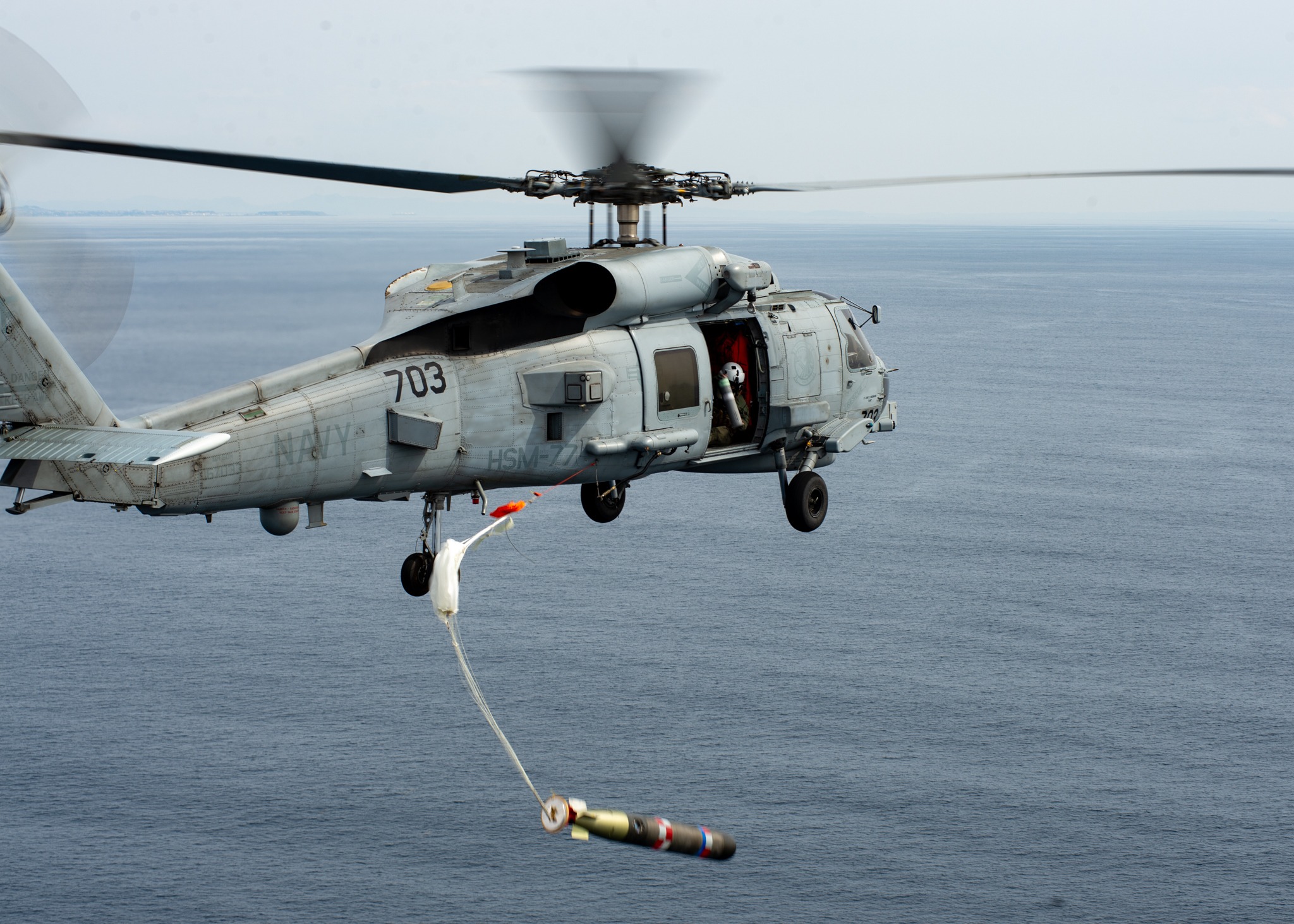
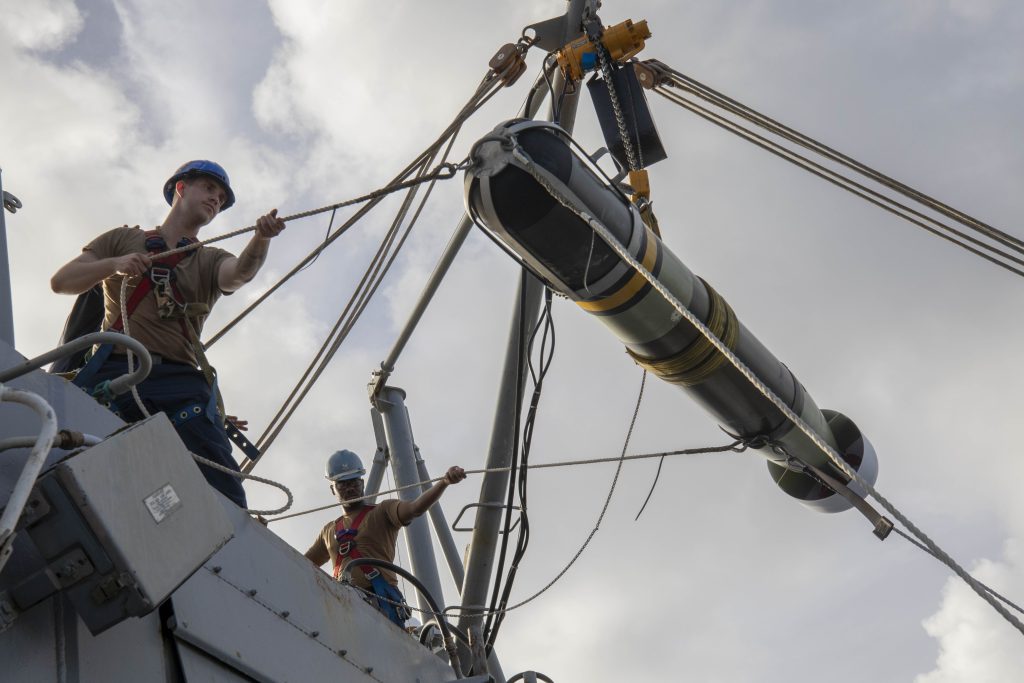
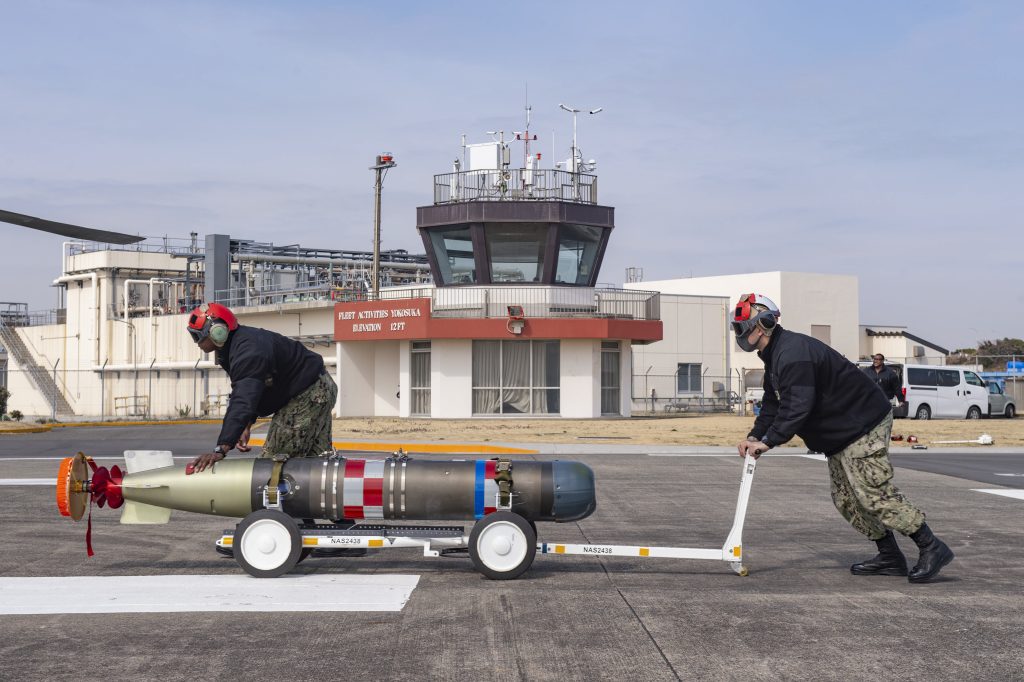
The MK 54 lightweight torpedo is a versatile, carrier-ready anti-submarine weapon, deployable from surface ships, helicopters, and maritime patrol aircraft.
It fuses proven technologies from the MK 50 and MK 46, integrating advanced guidance, propulsion, and warhead systems into a flexible, cost-effective package.
Engineered for adaptability, the MK 54 can hunt both diesel-electric and nuclear submarines across shallow littorals and the open ocean, giving naval forces a precise and reliable tool for modern anti-submarine warfare.
| Category: | Details: |
| Type | Anti-submarine torpedo |
| Manufacturer | Raytheon (original) and Northrop Grumman (upgraded versions) |
| Length | 2.7 meters (8.9 feet) |
| Diameter | 32.4 centimeters (12.9 inches) |
| Weight | 276 kilograms (608.5 pounds) |
| Speed | >40 knots (74 kilometers/46 miles per hour) |
| Range | ~9 kilometers (5.6 miles) |
| Warhead | 45-kilogram (99.2-pound) high-explosive |
| Guidance | Active/passive acoustic homing |
| Launch Platforms | Surface ships, MH-60R helicopters, P-8 Poseidon aircraft |
| Operators | US Navy, allied navies |
How It Came to Be
The MK 54 program launched in the 1990s to deliver a modern, reliable torpedo capable of hunting submarines in both open oceans and congested littoral waters.
The US Navy sought to fuse the high-speed punch of the MK 50 with the proven guidance and versatility of the MK 46, creating a torpedo that could counter evolving submarine threats without breaking the budget.
Raytheon and General Dynamics led development, conducting rigorous testing from shipboard and airborne platforms.
By the early 2000s, the MK 54 had entered full-rate production, cementing its role as a cornerstone of contemporary anti-submarine warfare.
Variants
- Baseline MK 54: Standard anti-submarine configuration with active/passive acoustic homing.
- Block upgrade variants: Incorporate improved signal processing, sonar sensitivity, and counter-countermeasure capabilities to handle stealthy or quiet submarines.
- Training versions: Inert or telemetry-equipped torpedoes for exercises and crew proficiency training.
How It Works
Key Features
- Advanced acoustic guidance: Active/passive sonar homing allows the torpedo to track and engage elusive submarine targets.
- Rapid maneuverability: Agile propulsion enables quick course corrections against evasive submarines.
- Multi-platform deployment: Launchable from ships, helicopters, and maritime patrol aircraft for maximum flexibility.
- Compact lethality: Lightweight design carries a potent warhead without compromising stealth or speed.
Strengths
- Versatile across environments: Effective in shallow littoral waters and deep ocean theaters alike.
- Proven anti-submarine capability: Trusted by the US Navy and allied forces for reliable submarine neutralization.
- Seamless platform integration: Compatible with modern sensors, launch systems, and tactical networks.
- Cost-effective: Combines cutting-edge technology with manageable production and sustainment costs.
Limitations
- Limited range: Approximately 9 kilometers (5.6 miles) maximum, requiring precise targeting and timing.
- Acoustic vulnerabilities: Performance can be degraded by underwater noise, thermoclines, or advanced submarine countermeasures.
- Payload constraints: Lightweight design limits warhead size compared to heavyweight torpedoes.
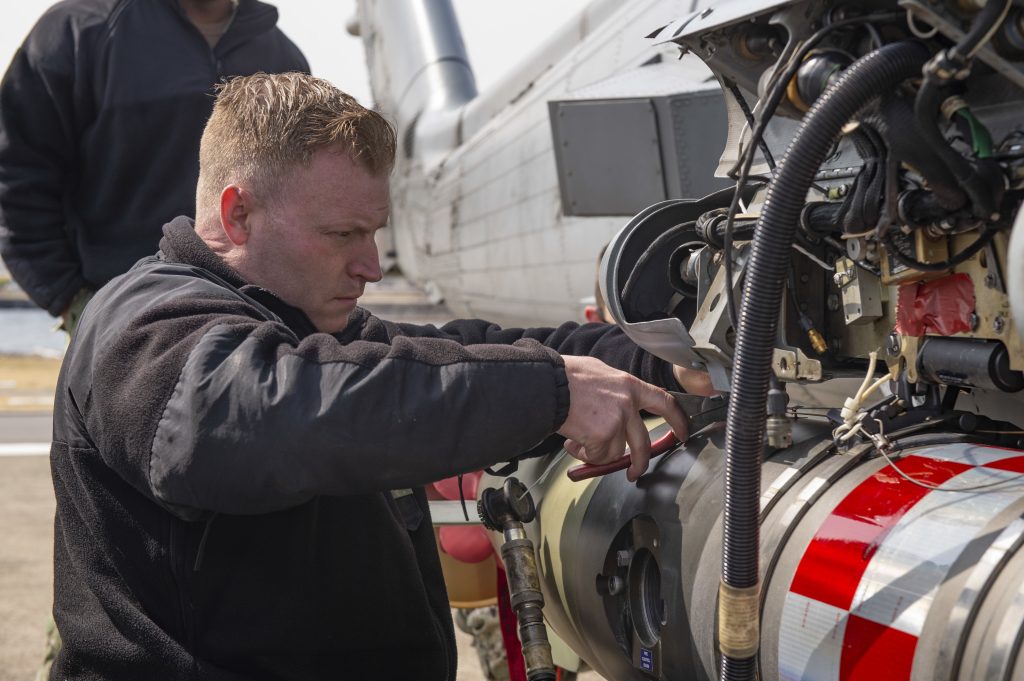
Global Use and Operational Deployment
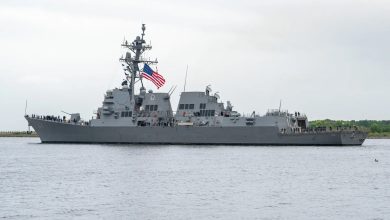
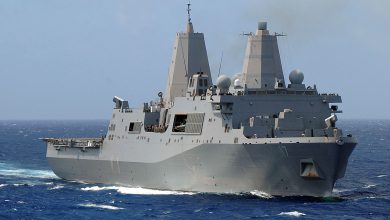
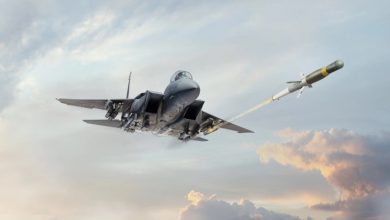
The MK 54 has become a cornerstone of modern anti-submarine warfare. US Navy surface ships, MH-60R helicopters, and P-8 Poseidon patrol aircraft regularly deploy it for exercises and real-world operations.
Allied navies, including Saudi Arabia, Canada, Norway, India, South Korea, and NATO partners, have integrated the torpedo into both surface and airborne platforms.
Its proven effectiveness in drills and operational scenarios underscores its reputation as a reliable, multi-mission anti-submarine warfare asset.
Future Outlook
The MK 54 program continues to evolve, with ongoing upgrades to sonar sensitivity, counter-countermeasure performance, and platform integration.
Future iterations may incorporate AI-assisted targeting, improved acoustic processing, and networked data sharing, ensuring the torpedo remains a highly capable tool against the next generation of submarines.
Its combination of versatility, lethality, and adaptability positions the MK 54 as a central component of allied anti-submarine arsenals well into the coming decades.