A new policy paper by the Mitchell Institute for Aerospace Studies argues that the US Air Force must expand its fleet of next‑generation combat aircraft substantially to deter or prevail in a potential conflict with China.
Titled Strategic Attack: Maintaining the Air Force’s Capacity to Deny Enemy Sanctuaries, the report calls for procuring far more sixth‑generation fighters and long‑range stealth bombers than currently planned.
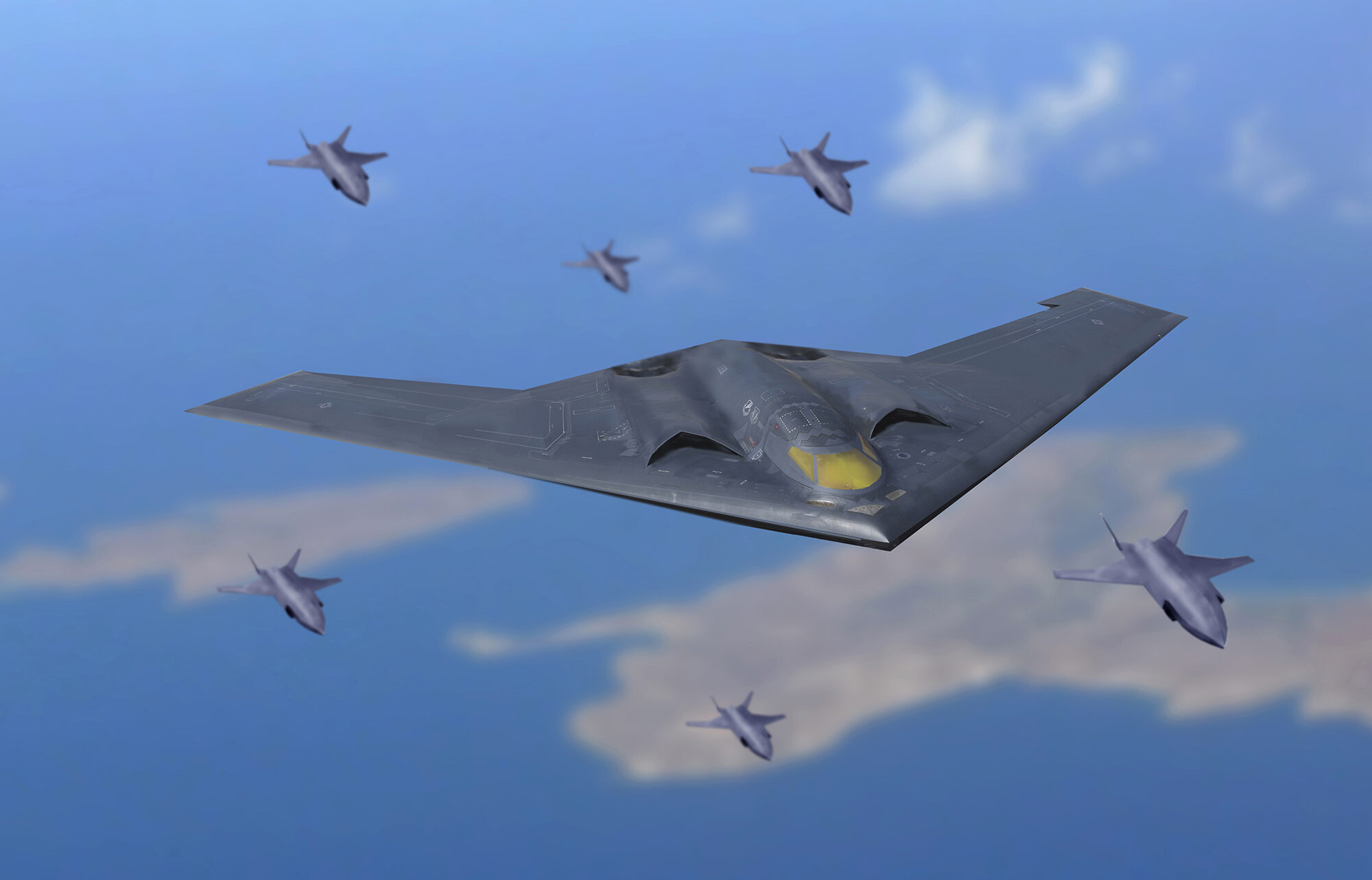
The authors recommend the US Air Force acquire at least 300 sixth‑generation F‑47 fighters and at least 200 B‑21 Raider stealth bombers — numbers that significantly exceed official plans, which currently envision at least 185 F‑47s and around 100 B‑21s.
Strike Capacity and Deterrence Concerns
In an online discussion about the report, Heather Penney, a former F-16 pilot and the Mitchell Institute’s director of research, said historical and recent conflicts show how limiting enemy strike options can turn wars into drawn‑out attrition fights.
She cited Korea, Vietnam, and Ukraine’s ongoing war as cautionary examples.
Penney warned that China is developing military capabilities designed to limit US access and strike options across much of the Western Pacific.
Without a larger, survivable strike force, commanders might be forced into overly cautious operations that undermine both deterrence and combat effectiveness, she said.
Lessons From Recent Operations
The report also pointed to recent US missions, including Operation Midnight Hammer against Iranian nuclear facilities.
The operation relied on nearly the entire available fleet of B-2 Spirit stealth bombers, with aircraft used for both strike and decoy roles.
Penney said the mission underscored the limited size of the stealth bomber force, noting that any losses would be difficult to replace and that conducting a follow-on strike in short order would have been challenging.
Interim Measures and Procurement Goals
Until the B-21 and F-47 enter service in larger numbers, the Mitchell Institute recommends retaining existing bomber aircraft.
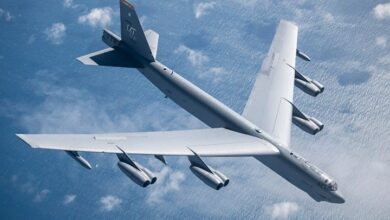
The report argues that B-1 Lancer and B-2 bombers should not be retired until at least 100 B-21s are operational, and it calls for increased funding to accelerate B-21 procurement.
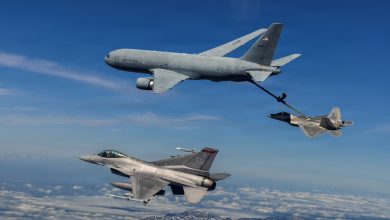
On the fighter side, the institute recommends buying about 74 F-35A Joint Strike Fighters and 24 F-15EX Eagle II aircraft annually, while expanding the use of autonomous collaborative combat aircraft.
It criticized the air force’s “divest to invest” strategy, arguing that retiring older aircraft before replacements are available has contributed to a shortfall in combat capacity.
The air force has not committed to the higher procurement levels outlined in the report, citing budget limits and competing modernization priorities.