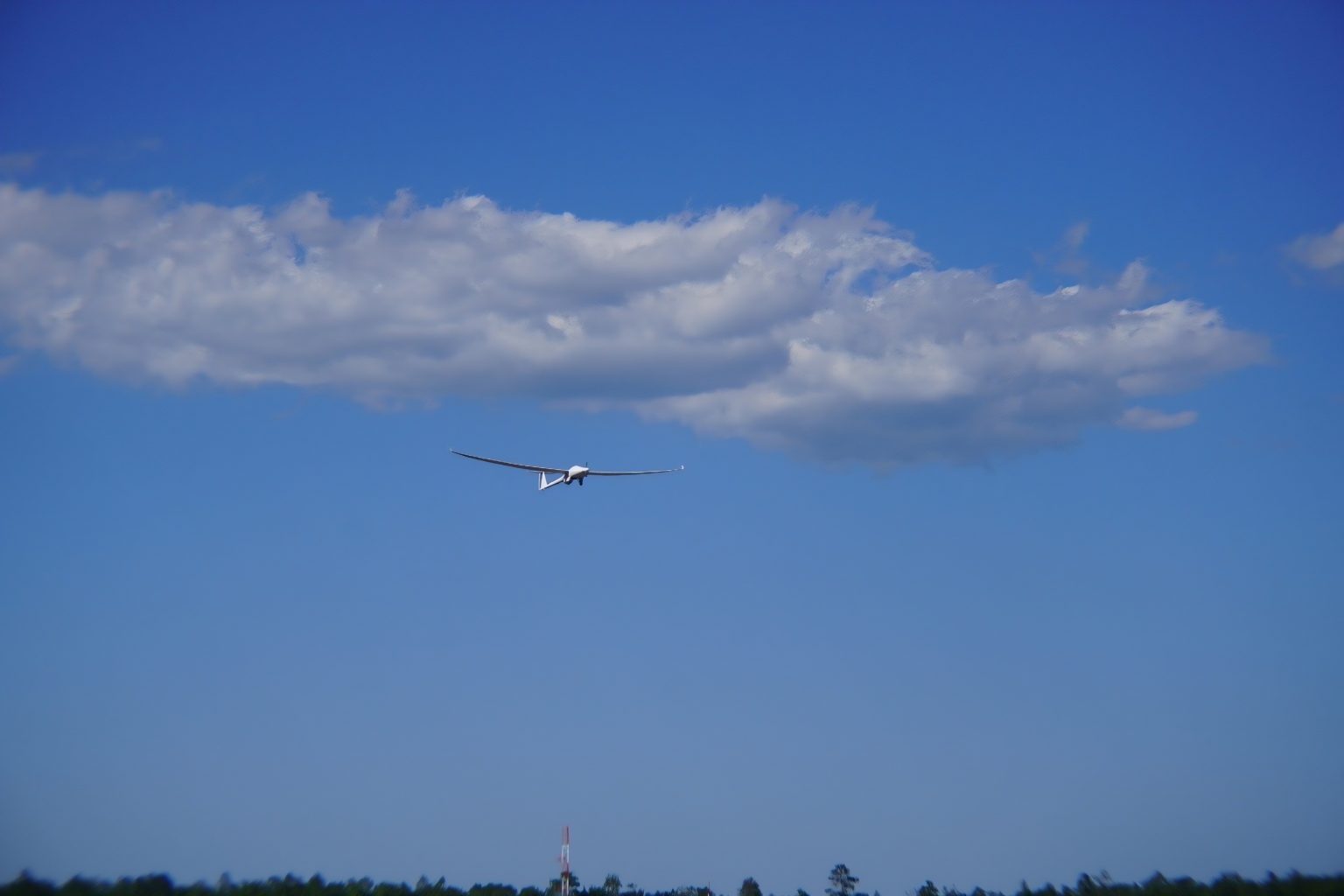
DZYNE Technologies has secured a multi-million-dollar contract from the US Air Force Research Laboratory (AFRL) to deliver three ULTRA Turbo unmanned aircraft.
The agreement supports the transition of the ULTRA platform into operational use as a Group 5 intelligence, surveillance, and reconnaissance (ISR) system.
It follows a recent flight test of the turbocharged version of the aircraft, which demonstrated performance at altitudes above 18,000 feet (5,486 meters) and validated its design and system integration.
Additionally, the system was equipped with upgraded satellite communications to improve data links and long-range command-and-control.
“The ULTRA platform represents exactly the type of rapid, cost-effective innovation AFRL’s Center for Rapid Innovation seeks to advance,” said AFRL Director Paul Litke.
“Its endurance, payload flexibility, and new turbocharged performance profile provide the Air Force with a unique capability to explore next-generation ISR operations at a fraction of the cost of legacy systems.”
This development comes as DZYNE Technologies expanded its production capacity in 2024 by opening a 125,000-square-foot (11,613-square-meter) facility in Irvine, California.
The site brings together engineering, research, and manufacturing to support output across its unmanned systems portfolio.
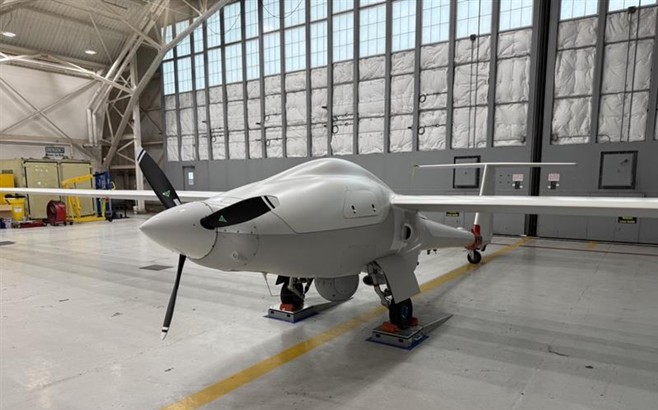
DZYNE’s ULTRA Turbo
The platform can operate for up to 72 hours and carry payloads exceeding 450 pounds (204 kilograms), supported by a turbocharged engine optimized for high-altitude performance.
This configuration enables a range of missions beyond ISR, including communications relay, electronic warfare, and border security operations..
It can also support disaster response, wildfire tracking, search and rescue, and infrastructure monitoring.
Commercial applications include energy inspection, agriculture, telecommunications, and maritime surveillance.