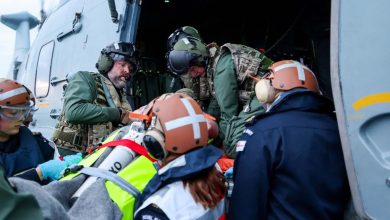
The US Army gathered more than 1,000 warfighters from its units, sister forces, and allied nations in Global Medic 25-02, the service’s largest annual joint medical exercise.
Held in Wisconsin, this year’s iteration stood out for its expanded coalition participation and realistic combat scenarios, giving medical personnel hands-on experience in large-scale combat medical support and coalition environments where future operations may occur.
Over more than two weeks, the training simulated the complexity of large-scale combat medical support and the coalition environment of possible operations.
It involved 19 rotational training units with approximately 698 participants, 650 soldiers from other US services, 71 allied military members, and 300 staff from Army Reserve Medical Command and the Medical Readiness and Training Command (MRTC).
Practical Training With Expert Oversight
During the event, over 60 Observer-Coach/Trainers (OC/Ts) oversaw planning and execution, guiding units through realistic combat scenarios.
They assessed readiness, refined training plans, and applied lessons from previous exercises and real-world operations.
OC/T teams often worked 12- to 18-hour days to ensure units were fully trained, evaluated, and mission-ready.
Simultaneously, the MRTC Headquarters of Joint Base San Antonio led visitors through the Global Medic and Combat Support Training portions of the exercise.
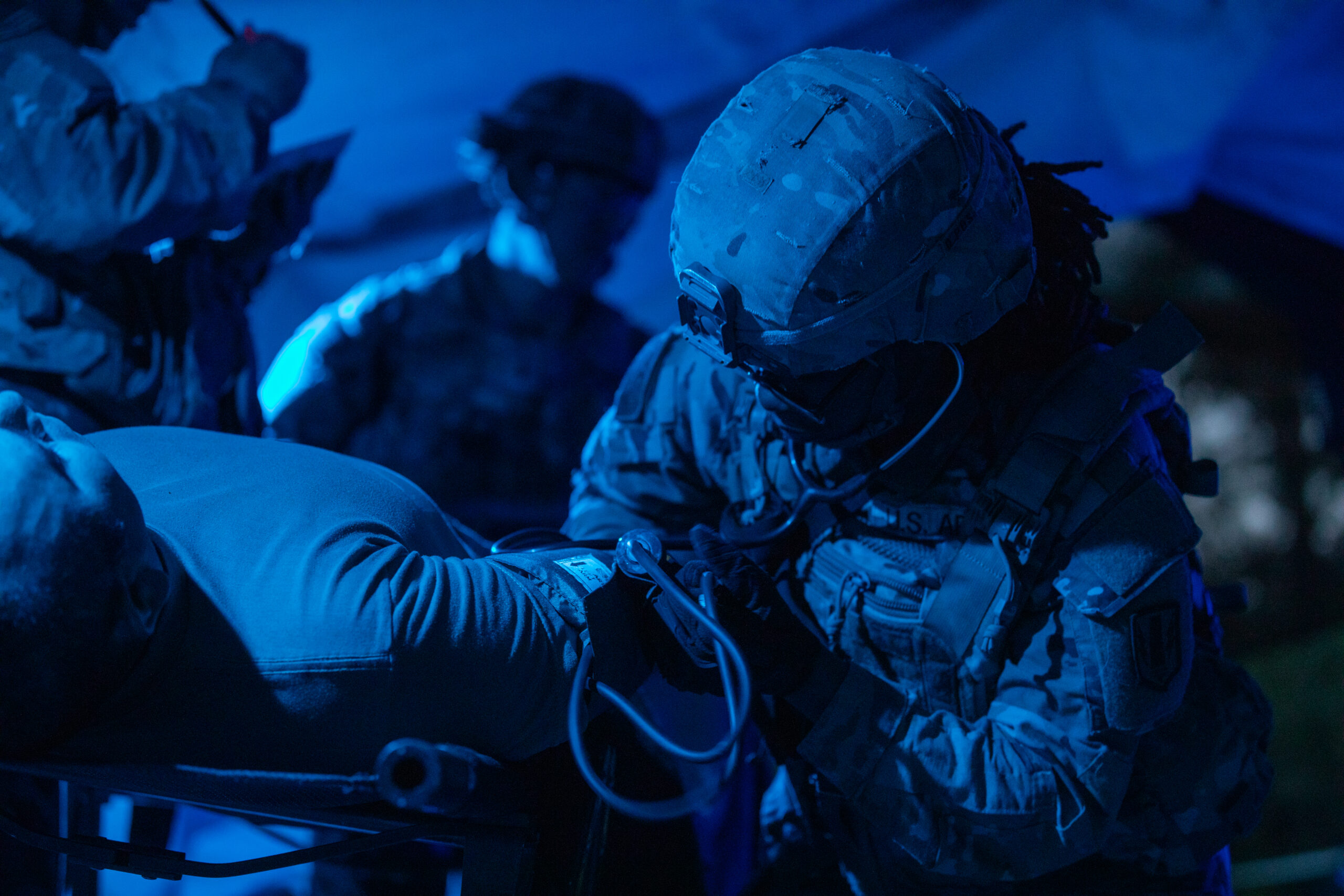
The 7454th Medical Operational Readiness Unit, a segment specializing in large-scale operations and crises based in San Antonio, worked in the Effects and Enablers Cell, where mock injury artists, simulation operators, and live role players recreated realistic injury and illness scenarios.
“It’s one team, one fight,” said MRTC leader Capt. Jennifer Rocha.
“We ensure all units, supplies, and equipment are ready to execute effectively. The planning and communication between different medical functions are key,” she added.
Meanwhile, Sgt. Joseph Martinez of the 7454th Medical Operational Readiness Unit highlighted the value of immersive training elements.
“Without these elements, it becomes a dialed-down exercise,” Martinez explained. “Realistic patients and special effects prepare providers for what they’ll actually face in a real-world environment.”