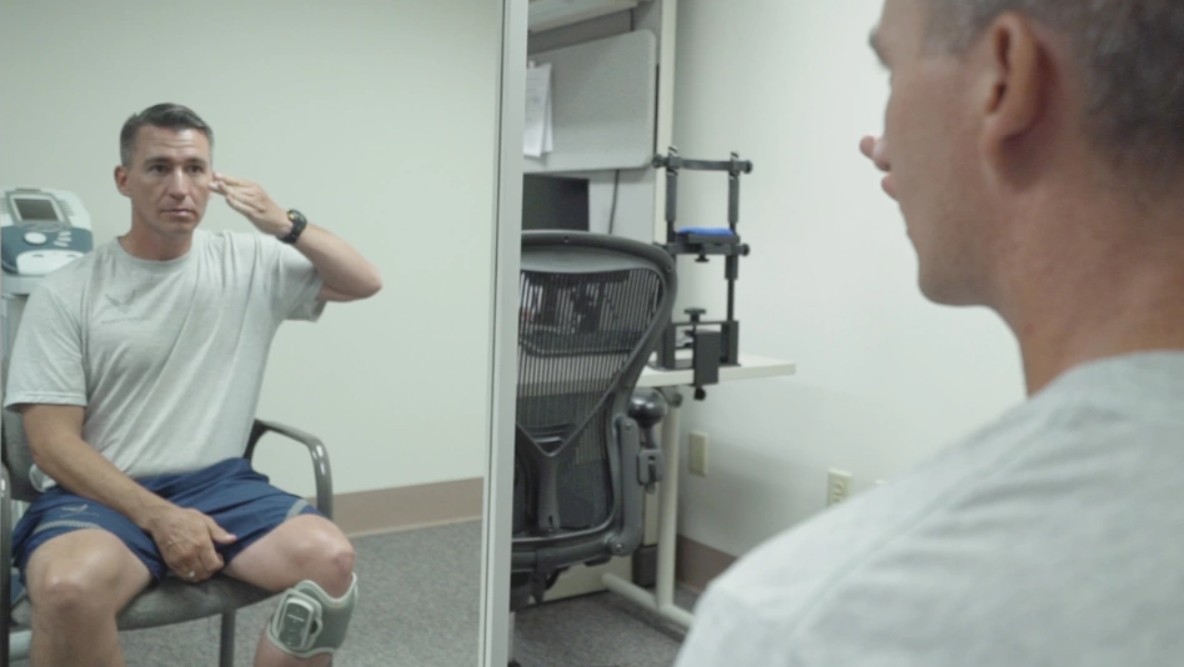
The US military health system has introduced a digital reference tool to improve how service members identify and respond to concussive injuries, with a focus on faster access to medical guidance and standardized information.
The initiative, developed under the Military Health System, is a downloadable digital card that consolidates key guidance on concussion awareness and care.
At its core is a QR code that directs users to the Warfighter Brain Health Hub, a platform hosting vetted information on symptoms, treatment pathways, and recovery protocols.
The card outlines how to recognize early concussion signs, when to seek clinical evaluation, and where to find support services, including military treatment facilities and specialized rehabilitation networks.
It also includes guidance on recovery phases and return-to-duty considerations.
The aim is to reduce fragmentation in how personnel access medical information following a potential head injury.
‘Brain Health Resources Card’
The card frames concussion, or mild traumatic brain injury, as a condition that can affect physical, cognitive, and emotional functions, often without immediate or clearly identifiable signs.
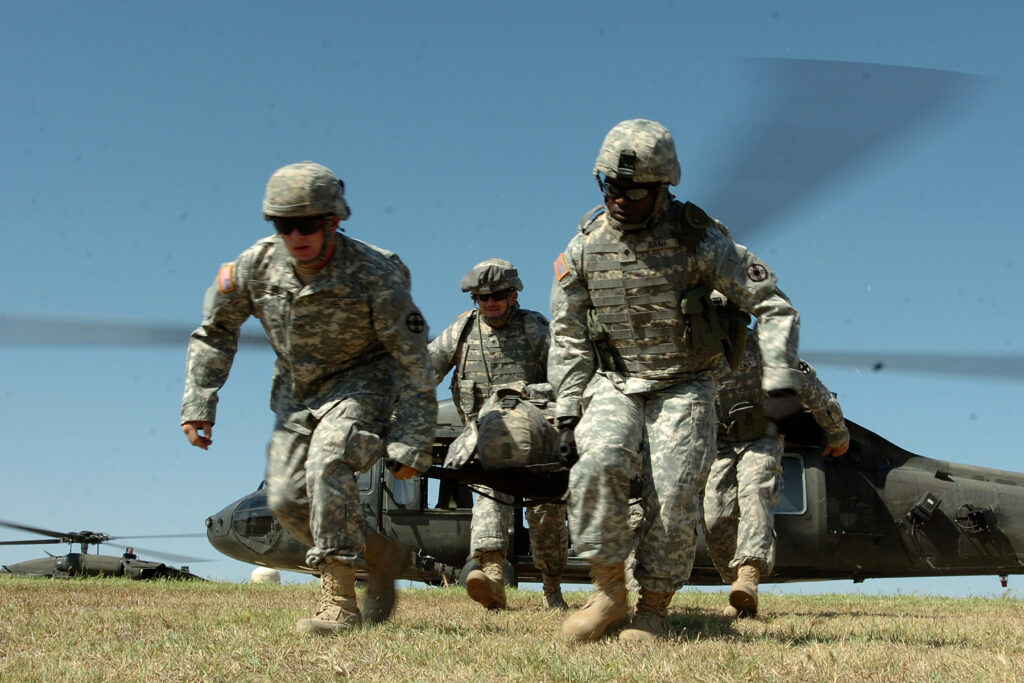
It places the risk within an operational context, where injury may result not only from direct head impacts but also from indirect exposure to blast waves generated by missiles, drones, or other explosives.
Vehicle collisions or rollovers are also identified as potential causes, alongside cumulative exposure to multiple blast events over time.
It further notes that proximity alone can be sufficient, indicating that being within roughly 50 meters (164 feet) of an explosion, whether indoors or outdoors, may trigger injury even in the absence of visible trauma or loss of consciousness.
Within this framework, symptoms are grouped into key areas.
Physical effects may include headaches, dizziness, sensitivity to light or noise, fatigue, and nausea.
Cognitive changes can appear as slowed thinking, difficulty concentrating, memory problems, or mental fog.
Emotional responses may involve irritability, anxiety, or increased emotional reactivity.
Sleep disruption is also noted, including difficulty falling asleep or changes in overall sleep duration.