Baylor University in Texas has opened the Arctic Acclimatization & Sleep Optimization (ARKTOS) Research Center, a facility designed to simulate Arctic conditions and study how cold affects US warfighters and first responders.
The initial research phase focuses on tests inside a controlled chamber that can drop to negative 31 degrees Fahrenheit (negative 35 degrees Celsius) and adjust oxygen levels to imitate high-altitude environments.
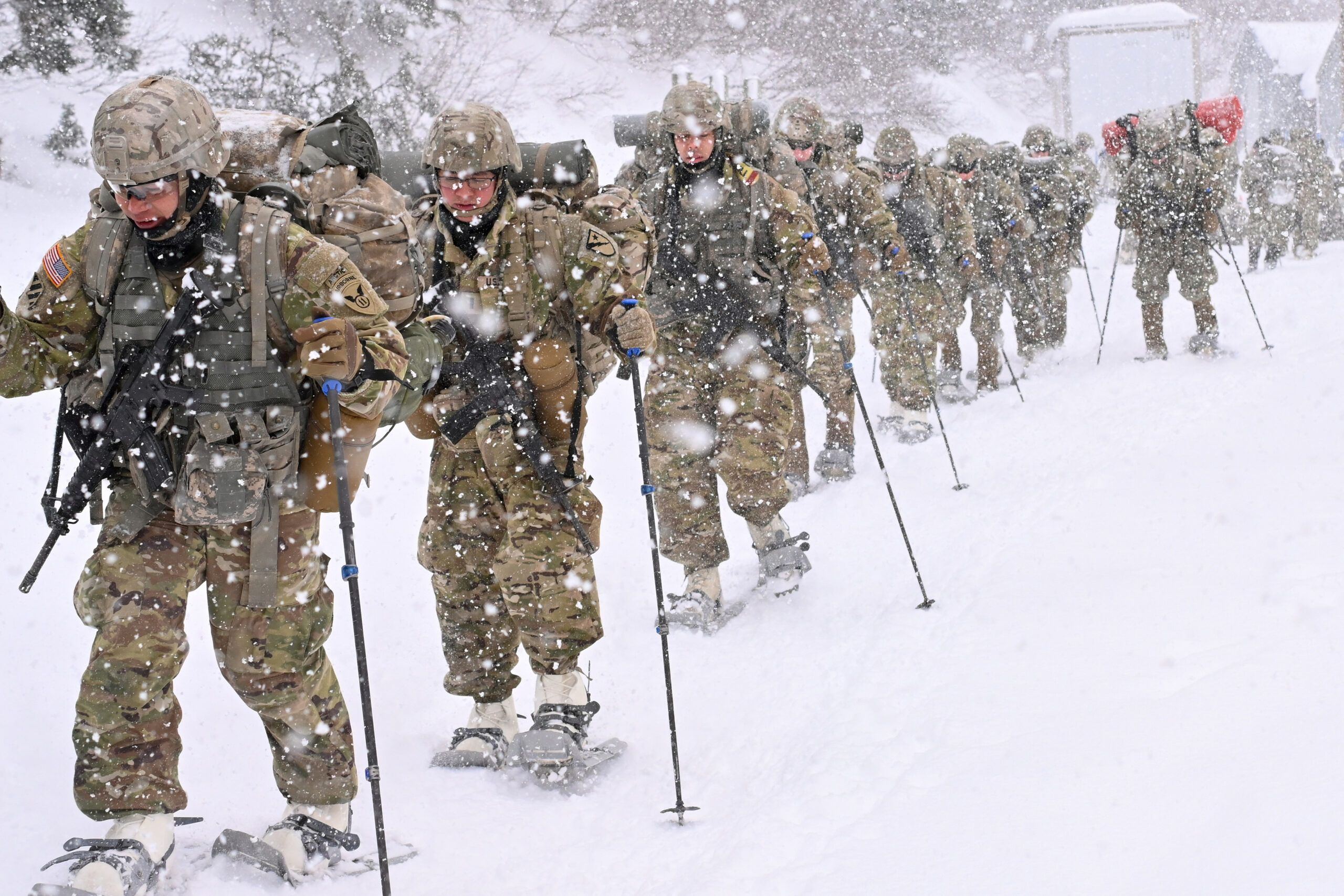
Researchers use the space to track rapid acclimatization, sleep disruption, and performance decline during prolonged exposure to cold, which can increase injury risk and impair judgment in subzero conditions.
Participants also complete tasks such as medical simulations and combat exercises while researchers monitor brain activity and other metrics.
ARKTOS Co-Director Cory Smith said the facility addresses a growing need as US forces prepare for operations in regions with extremely low temperatures.
“We want to quantify why that’s happening, and then we are creating mitigation strategies to make it where it’s not impacting [them] as much, to improve their decision making and improve their cognitive load,” Smith explained.
Federal funding supported the project’s launch with the assistance of Congressman Pete Sessions, who secured $1 million for the first stage and $2 million for the second through Texas’ 17th Congressional District and the fiscal 2024 appropriations bill.
“It is done to make sure that our country, the United States of America, and the men and women of the armed forces, and the people who expect us to do our job, to be prepared for the future,” Sessions said.
The second phase, scheduled in fall 2026, will integrate a motion platform to simulate ground and air transport up to 24,000 feet (7,315 meters), expanding the center’s ability to replicate real-world Arctic operations.