The US Army has selected M1 Support Services to advance to the fourth and final phase of its Flight School Next competition.
The program aims to modernize aviator training and introduce a new helicopter platform, aligning with broader efforts to transition the US Army’s rotary-wing fleet from aging systems.
The selected aircraft will replace the UH-72 Lakota, which has been used for initial flight training since the 2000s.
Fronting ‘Innovation-Rich’ Approach
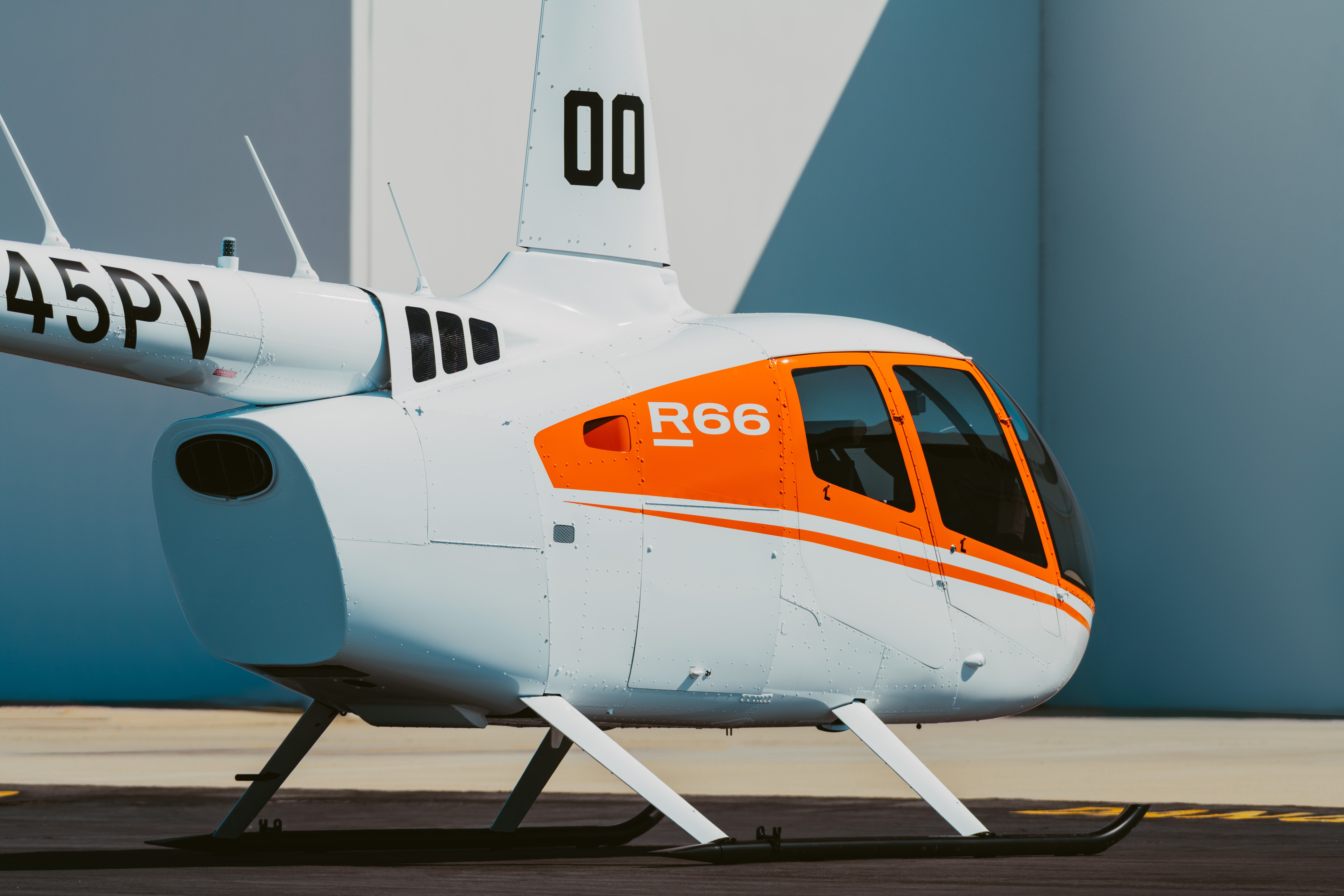
M1’s bid centers on the Robinson R66 helicopter, which can carry up to four passengers and approximately 1,200 pounds (544 kilograms) of external cargo.
The platform is supported by an advanced cockpit, integrated systems, and an artificial intelligence-enabled virtual training environment designed to support students around the clock.
M1 also brings experience in managing and sustaining large aviation fleets.
The company currently supports US Army flight training at Fort Rucker, Alabama, overseeing more than 500 helicopters across five airfields. The fleet conducts around 400 sorties per day and accumulates approximately 240,000 flight hours annually.
Teaming with Robinson Helicopter Company, M1’s Flight School Next bid also includes General Dynamics Information Technology, Quantum Helicopters, and the University of North Dakota Aerospace Foundation.
“In this next phase, Team M1 will demonstrate our comprehensive, innovation-rich solution to produce more proficient Army Aviators on time and on budget,” M1 Chairman and CEO George Krivo stated.
Meanwhile, Tom Drew, M1’s executive program director for Flight School Next, highlighted the company’s anticipation in providing “game-changing technologies to accelerate learning and build student pilot proficiency.”
“M1 brings an immersive training experience and significant increase in flight hours to fundamentally transform Army flight training,” Drew said.