The US Army has approved three companies to continue their bid on the Flight School Next program, which seeks a new platform and related processes for basic helicopter training.
Contenders for the effort’s third phase include Lockheed Martin, Bell Textron, and M1 Support Services, with each team tasked to submit a comprehensive proposal.
The selection comes after a speedy evaluation under the program’s second phase last month, in which the same challengers were approved for their cost estimates and broader planning data.
Flight School Next, also called the Initial Entry Rotary Wing, will be located at Fort Rucker, Alabama, and is expected to provide preparatory aviation courses for 900 to 1,500 pilots annually.
The chosen helicopter for the initiative will gradually replace the Airbus UH-72A Lakota fleet operational since the 2000s, and its training structure, upon entry.
Lockheed Martin’s Offering
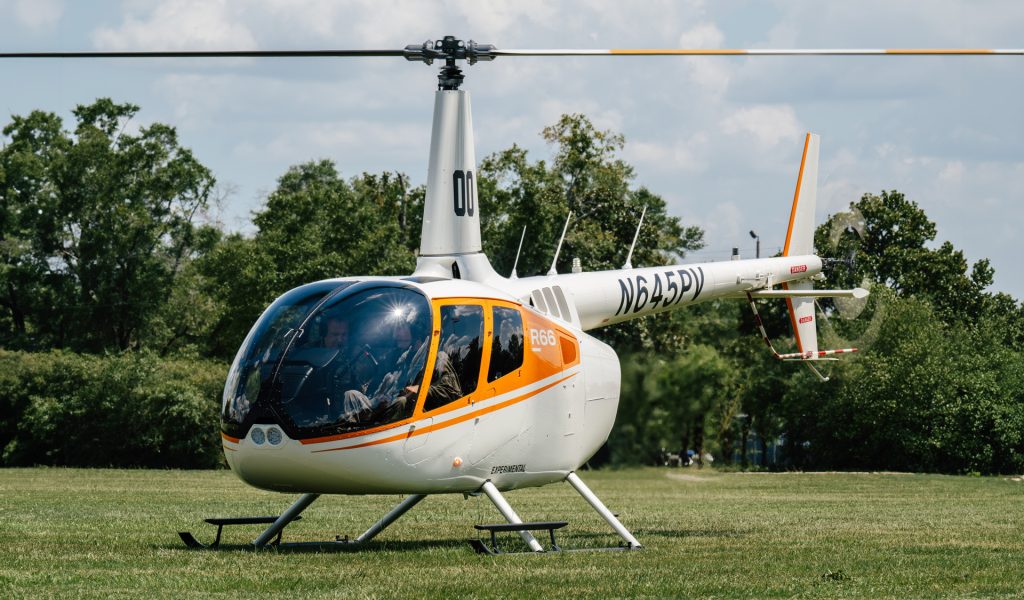
Lockheed’s planned Flight School Next capability is the Robinson Helicopter Company’s R66 NxG platform.
Together, they will provide technical support, spare parts, and a dedicated training services package tailored for the army’s competency efforts.
Lockheed said it will utilize its expertise in providing support for similar helicopter training programs, such as the British Military Flight Training System, Australia’s AIR5428 Pilot Training System, and the Singaporean Basic Wings Course.
Bell Textron With 505 Helicopter
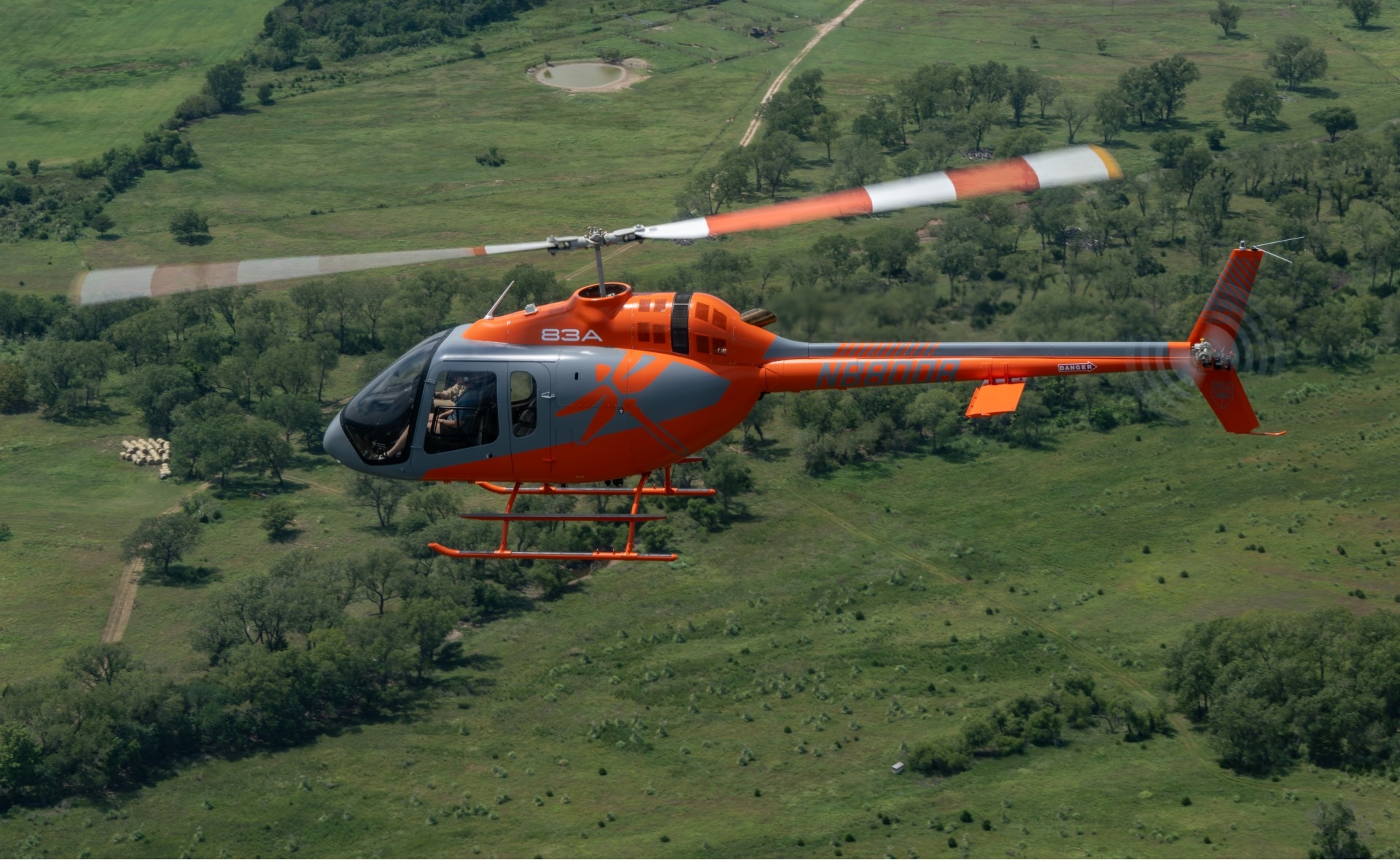
Bell pitched its proven 505 airframe for the initiative, with support services backed by its long-standing partnership with the US Army, which began with the H-13 Sioux trainer and continued through the UH-1H Huey and TH-67 Creek.
The company said it will also leverage its expertise for other modern training solutions, as well as its management know-how through the Bell Training Academy in Texas.
Robinson R66 From M1
Similar to Lockheed, M1 is offering the Robinson R66 helicopter for the effort, paired with its experience supporting training courses across multiple US Air Force and Navy bases.
The M1 provides organizational, intermediate, and depot-level maintenance for more than 500 helicopters across five primary airfields, supporting up to 400 sorties daily and 240,000 flight hours annually.
In addition to the Robinson Helicopter Company, M1’s consortium includes General Dynamics Information Technology, Quantum Helicopters, and the University of North Dakota Aerospace Foundation.