UK Navy Warship Neutralizes Multiple Drone Threats in Live Exercise

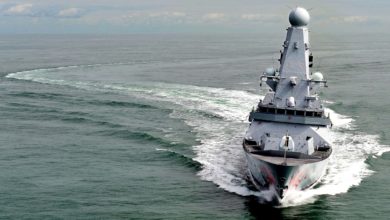
The UK’s HMS Duncan successfully engaged and neutralized multiple aerial and surface drone threats in a complex live‑and‑synthetic exercise designed to stretch the warship’s detection and response systems to their limits.
Working with Fleet Operational Standards and Training, QinetiQ conducted a multi‑domain scenario off MOD Aberporth that blended live drone targets, synthetic threats, and uncrewed surface vehicles to simulate a contemporary swarm attack.
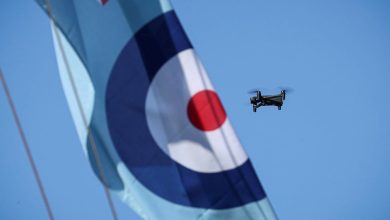
The exercise, created by Inzpire — a QinetiQ‑owned training specialist — challenged Duncan’s crew with combinations of aerial targets resembling hostile unmanned aerial vehicles alongside simulated cruise missiles, anti‑ship ballistic missiles, and enemy aircraft.
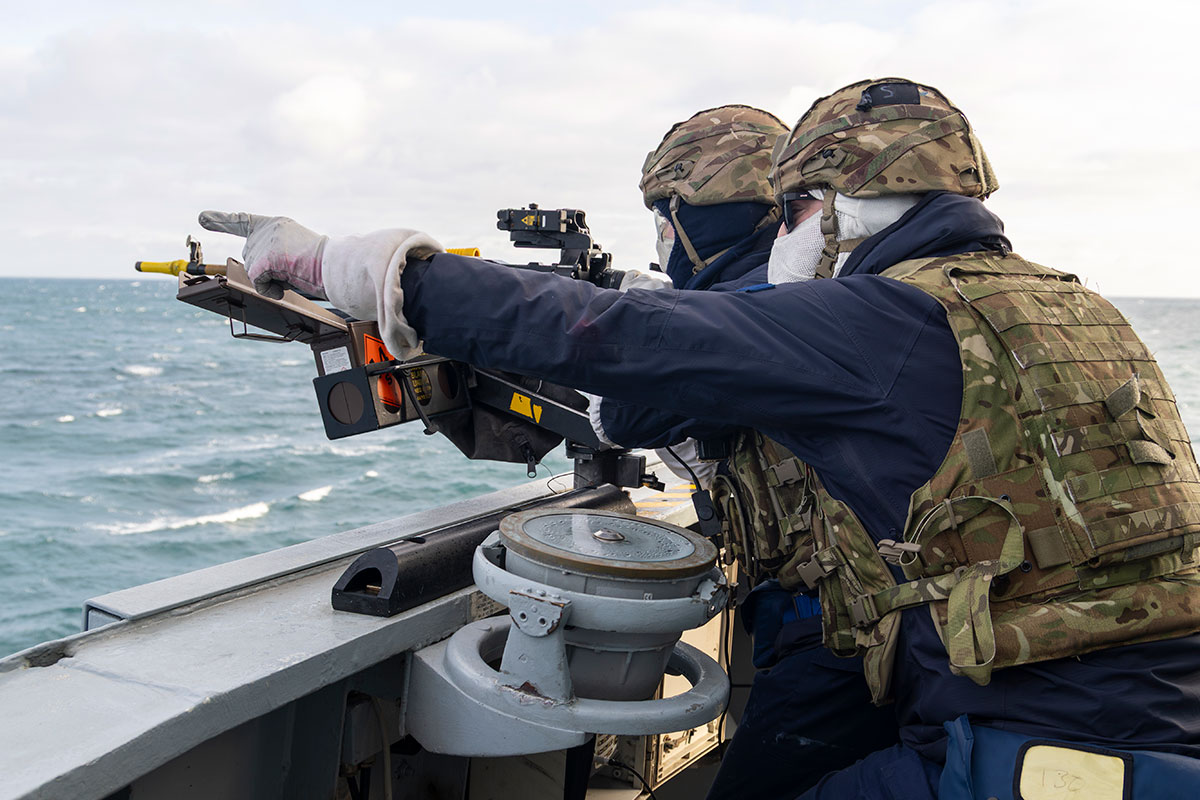
Over the course of the exercise, HMS Duncan’s sensors and weapons systems tracked and defeated five aerial targets and sank two Hammerhead uncrewed surface vehicles, demonstrating integrated defensive capability across air and surface domains.
“The realism of Sharpshooter, particularly the engagement of dynamic moving targets using operational procedures, gave my Ship’s Company the opportunity to prove they are ready to defend, ready to fight and ready to win,” UK Royal Navy Commander Dan Lee said.
Countering Swarming and High‑Speed Drones
Alongside exercises like the one involving HMS Duncan, London has accelerated the development and fielding of systems to detect, deter, and defeat swarming and high‑speed unmanned aerial threats.
In early 2026, the UK Ministry of Defence revealed plans to trial high‑speed drone interceptors designed to counter increasingly fast and agile small unmanned aircraft.
These systems track and engage drones flying at speeds too fast for many existing short‑range air defense sensors, addressing an emerging gap in layered counter‑drone architectures.
Alongside kinetic solutions, the UK has also pursued directed‑energy weapon development for drone defense.
In April 2025, the country announced it was progressing a prototype drone‑directed energy weapon that uses high‑power microwaves to disable or disrupt hostile unmanned systems at range, highlighting a shift toward non‑kinetic effectors in counter‑swarm strategy.
In December 2024, the British Army tested a radiowave weapon capable of jamming and disrupting drone command and control links, giving defenders a means to neutralize threats without firing a single projectile.