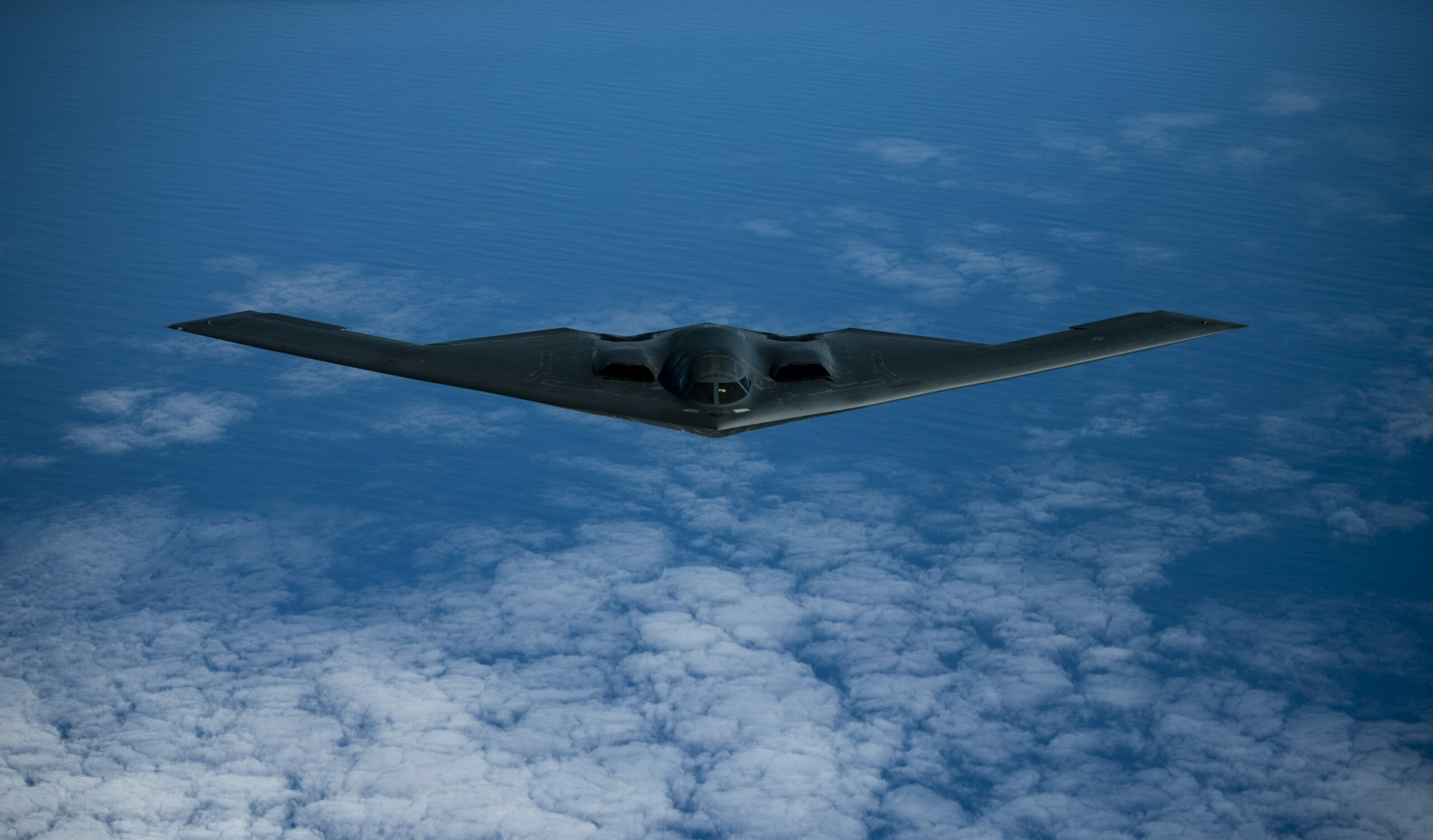
Sierra Nevada Corporation (SNC) has completed the maiden flight of its Adaptable Communications Suite with the B-2 Spirit heavy strategic bomber aircraft.
The integration, part of the fleet’s broader modernization effort, includes the device in its 4.0 configuration that was designed in collaboration with Northrop Grumman.
The solution incorporates a “secure, open mission system computing environment,” which allows smooth adoption of future military systems.
SNC noted that the upgrade is critical to sustain the jet’s functions and interoperability with other platforms, preserving “strategic deterrence and operational readiness” across challenging domains.
“This first flight of the B-2 with the upgraded Adaptable Communications Suite is a testament to SNC’s commitment to advancing aerospace technology and supporting the US Air Force’s strategic objectives,” said Jon Piatt, executive vice president at SNC.
“Our collaboration with the US Air Force has been instrumental in achieving this milestone, combining our strengths to deliver a transformative upgrade for the B-2 fleet.”
The B-2 Spirit Aircraft
The US Air Force currently has 19 B-2s in its inventory, all built to take over the roles of the Cold War-era Rockwell B-1B Lancer and B-52 Stratofortress bombers as part of Washington’s nuclear triad strategy.
The planes are stationed at Whiteman Air Force Base in Knob Noster, Missouri, and are operated by the military’s Global Strike Command.
Each B-2 measures 69 feet (21 meters) long and has a wingspan of 172 feet (52 meters).
The aircraft is supported by a 167,000-pound (75,750-kilogram) fuel capacity and four General Electric F118-GE-100 engines, enabling a top speed of 550 knots (632 miles/1,019 kilometers per hour), a range of 6,000 nautical miles (6,905 miles/11,112 kilometers), and altitudes up to 50,000 feet (15,240 meters).
The jet can carry up to 40,000 pounds (18,144 kilograms) of weapons, with its most recent deployment supported by the GBU-57 MOP bombs.
By the 2030s, the B-2 fleet will reach its retirement period and will be gradually replaced by the air force’s new B-21 Raider aircraft.