Rheinmetall has won contracts to supply turrets, automatic cannons, and simulators for Germany’s next‑generation Luchs 2 reconnaissance vehicle.
General Dynamics European Land Systems (GDELS) signed the agreement with Rheinmetall in early February 2026, commissioning the defense group to provide key systems for the Luchs 2 program.
The contracts are worth several hundred million euros, with deliveries scheduled from 2029 onward.
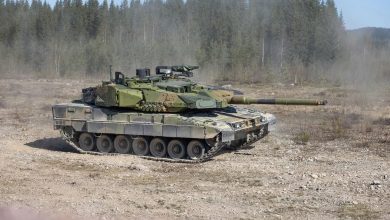
Under the contracts, Rheinmetall Electronics in Bremen will deliver 274 CT‑025 unmanned medium‑caliber turrets by 2031. This marks the first large production run of this modular turret system adapted to German requirements.
Meanwhile, Rheinmetall Italia in Rome will produce the Oerlikon KBA 25mm automatic cannon, a NATO‑standard weapon capable of countering both ground and aerial threats with multiple firing modes and a range of up to 2,500 meters (8,202 feet).
In addition to the weapons package, Rheinmetall will supply advanced simulators, including six AGFS combat training systems and integrated AGDUS laser‑based live simulation tools to support realistic, “train‑as‑you‑fight” training for reconnaissance troops ahead of operational deployment.
Germany’s Luchs Program
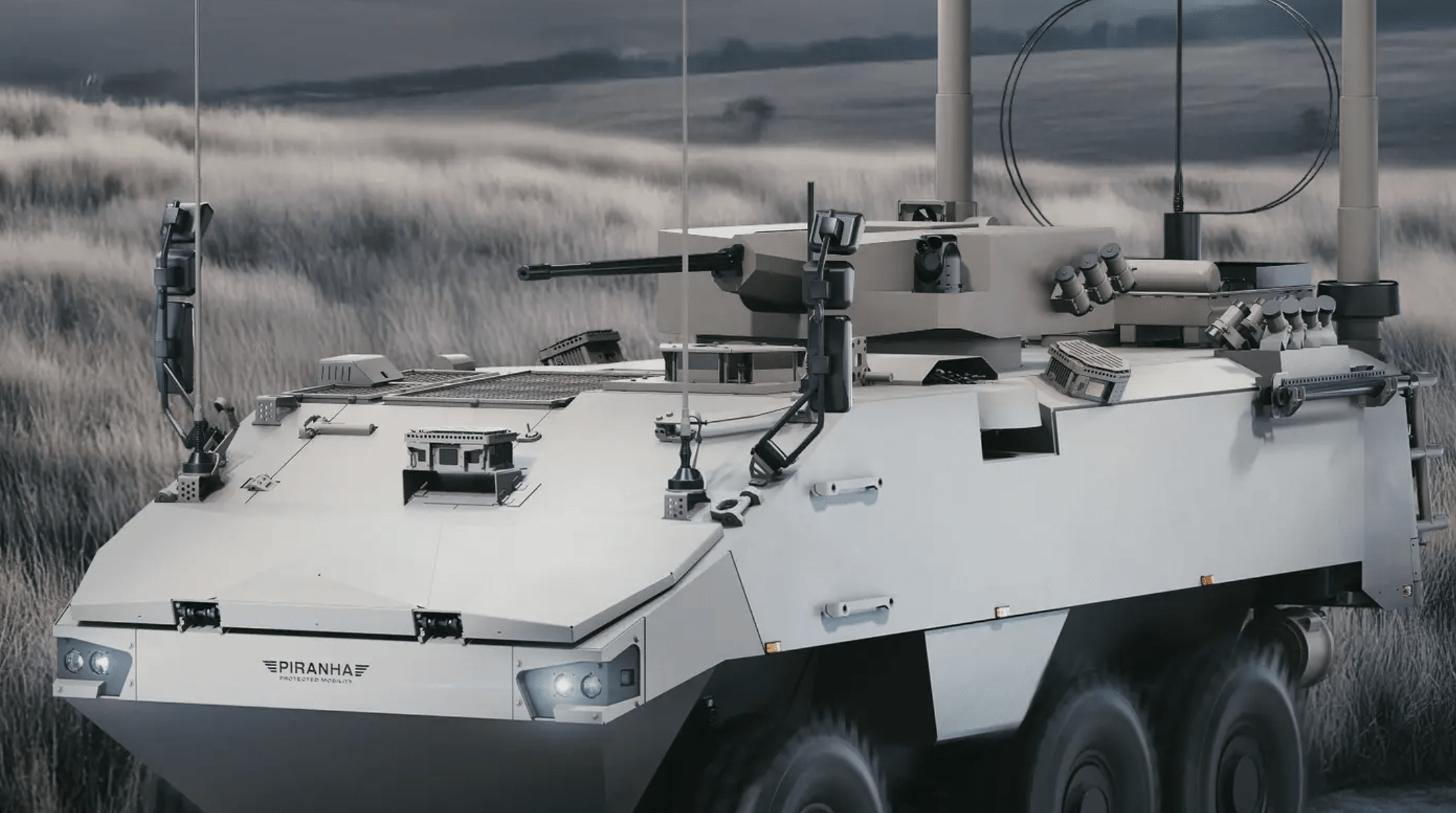
The Luchs 2 effort forms part of a broader modernization of Germany’s reconnaissance forces, anchored by a larger 3-billion-euro ($3.48-billion) contract awarded in October 2025 to GDELS to supply 274 next‑generation reconnaissance vehicles built on the amphibious Piranha 6×6 platform.
These vehicles are intended to replace the aging Fennek 4×4 fleet and are designed for improved mobility, networked sensor suites, and lower acoustic and thermal signatures.
Beyond the weapons and simulator orders, sensor integration has been advancing under contracts with technology firms such as Hensoldt, which in November 2025 secured a major role supplying advanced optronics and mission systems for the Luchs 2 vehicles.
These sensor systems are intended to enhance detection, identification, and tracking capabilities using AI‑assisted processing and robust imaging across optical and thermal spectrums.