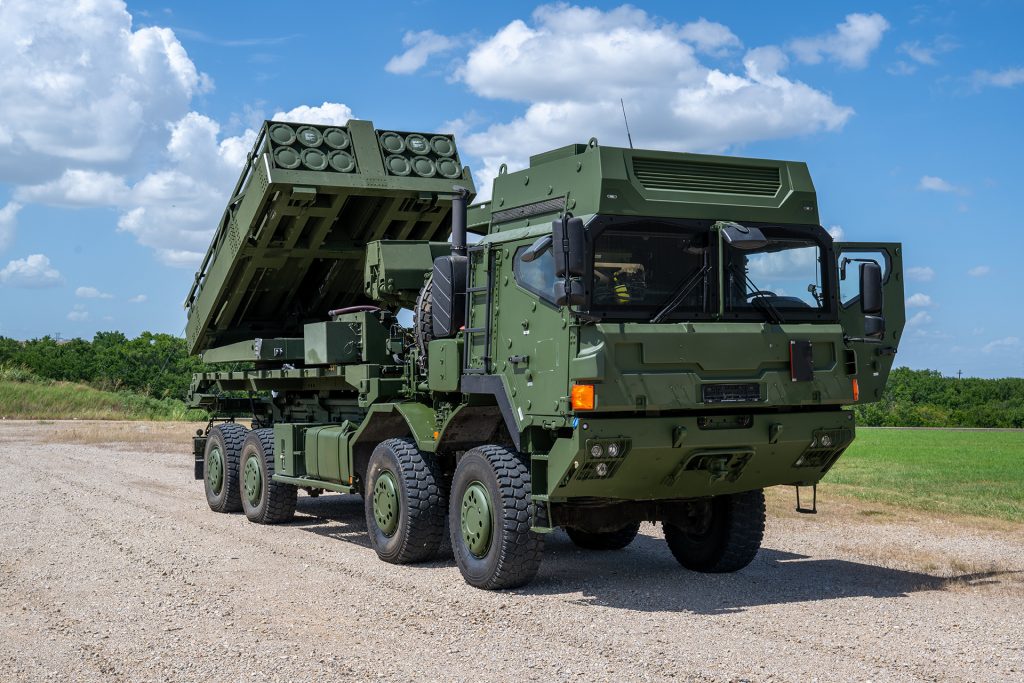
Global Mobile Artillery Rocket System (GMARS) is what happens when proven rocket artillery is scaled up for high-intensity, peer-level warfare.
It takes the combat lessons of HIMARS and MLRS and elevates them to a new class: heavier payloads, faster, massed fires, and true long-range relevance.
This explainer unpacks GMARS to reveal the technology driving its range, precision, and operational impact.
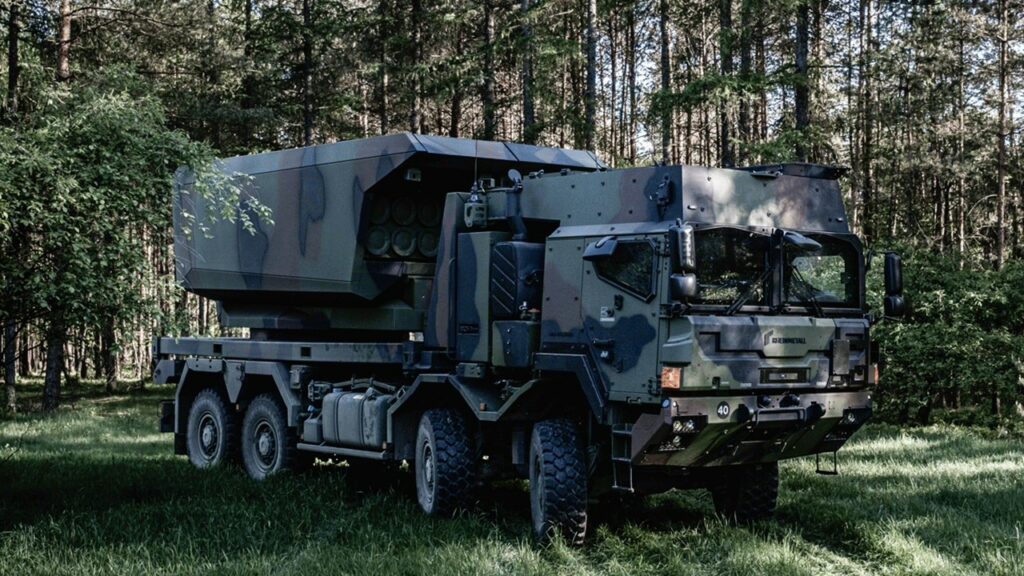
Why GMARS Was Developed
Modern land warfare has outgrown the limits of legacy rocket artillery. As adversaries pushed critical assets farther from the front line and invested heavily in air defenses, armies needed a launcher that could hit harder, reach deeper, and survive longer in contested battlespaces.
GMARS was created to close that gap — delivering long-range, high-volume precision fires while remaining mobile enough to avoid counterstrikes.
It reflects a shift toward deep fires as a decisive tool rather than just a supporting capability.
From Concept to Capability
The GMARS is a joint development by Lockheed Martin and Rheinmetall, unveiled in 2023.
The system builds on decades of operational experience with Western rocket artillery, combining proven US munitions with European vehicle and integration expertise.
Its development aligns with NATO’s renewed focus on large-scale, high-intensity conflict.
How It Breaks From Predecessors
Unlike HIMARS and M270, GMARS is designed for greater massed firepower and extended reach from the outset.
It doubles down on payload capacity and growth potential, addressing the main criticism of lighter systems: limited salvo size and reduced sustainability in prolonged engagements.

What GMARS Is
GMARS is a wheeled, long-range rocket artillery system designed to deliver heavy, precision-guided fires across deep and contested battlefields.
It blends mobility with firepower, allowing commanders to strike high-value targets, such as air defenses, logistics hubs, and command nodes, before enemy forces can respond.
In battlefield terms, GMARS gives ground forces the ability to shape the fight well beyond the front line, reinforcing deterrence and enabling joint operations across land, air, and maritime domains.
Better Payload: Built to Hit Harder
GMARS carries two full launch pods. Each pod can fire GMLRS rockets or longer-range missiles, allowing the rocket system to launch mixed salvos in rapid succession.
This higher onboard payload translates into faster saturation, greater flexibility in strike planning, and improved survivability through shoot-and-scoot tactics.
Just as important, GMARS is fully compatible with existing US and NATO rocket and missile inventories, including GMLRS, ER-GMLRS, and ATACMS, with a clear growth path toward next-generation long-range munitions.
That compatibility reduces logistics friction, accelerates adoption, and allows armies to scale firepower without rebuilding their supply chains.
In contested environments shaped by anti-access/area-denial (A2/AD) networks, GMARS provides a land-based counterweight. Its mobility allows it to reposition rapidly, while its range lets it operate outside many enemy sensors and strike envelopes.
Limitations and Trade-Offs
GMARS’ heavier configuration comes at the cost of increased size and logistical demand compared to lighter launchers.
While still road-mobile, it requires more planning for transport and concealment, making it best suited for organized, high-intensity operations rather than rapid expeditionary use.
Where GMARS Fits in Modern Warfare
GMARS is not a HIMARS replacement; it’s a complement. HIMARS excels in expeditionary and dispersed operations, while GMARS is optimized for sustained, high-tempo combat where firepower density matters.
For European forces in particular, GMARS offers a way to field deep-strike capability without relying solely on airpower.
It strengthens deterrence by complicating adversary planning: critical assets must now account for rapid, ground-launched precision strikes at operational depth.
In NATO formations, GMARS would likely operate alongside air defenses, ISR assets, and lighter rocket systems, forming a layered fires architecture capable of both precision strikes and massed effects.
Who’s Fielding GMARS
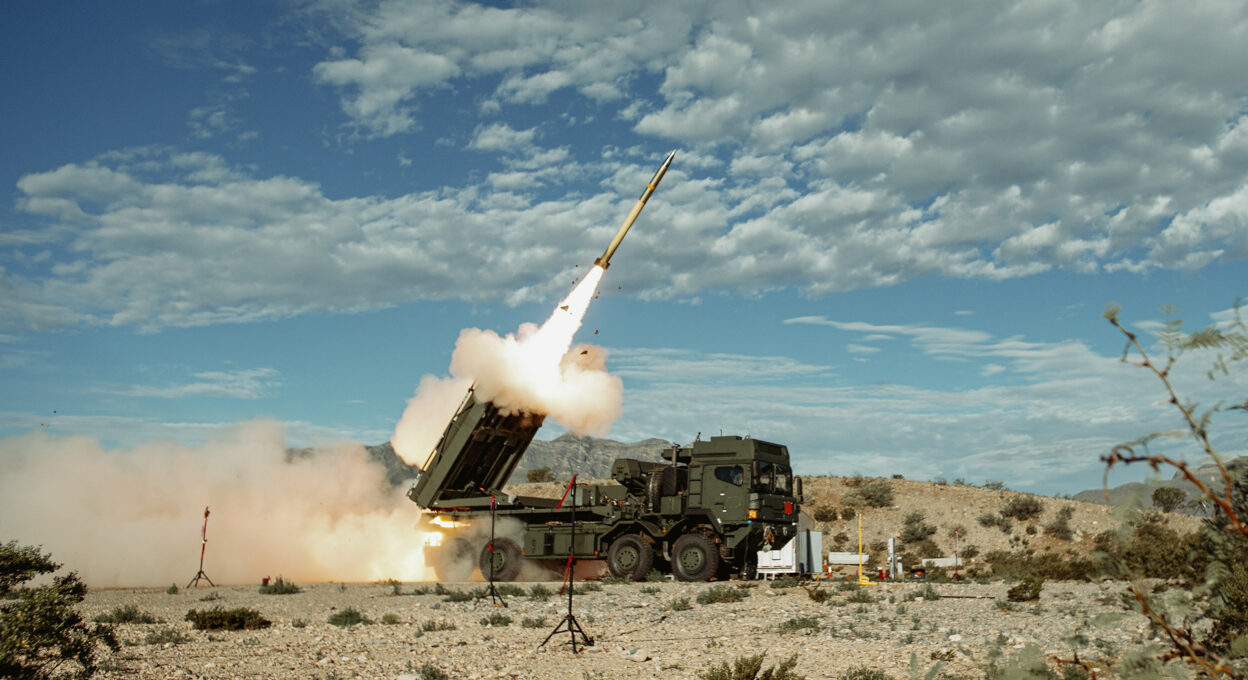
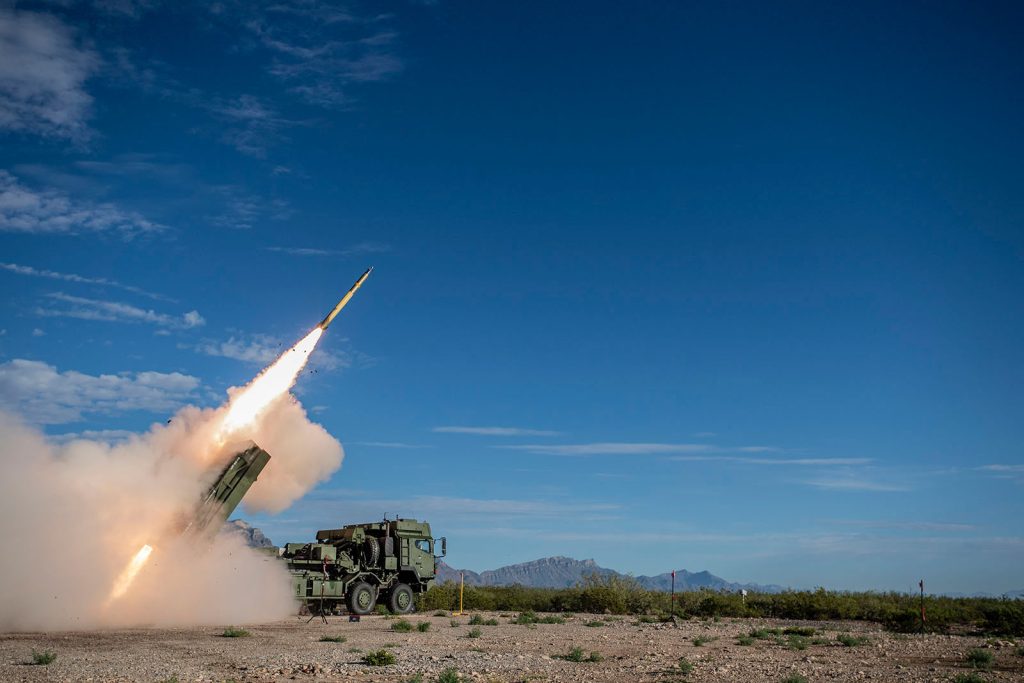
Although not deployed yet, the program successfully completed its first live-fire test using the GMARS launcher, demonstrating significant progress in developing the rocket system.
Several NATO members are evaluating or planning to integrate their artillery brigades, with particular interest among countries facing extended-range threats or operating within contested corridors.
This positions GMARS not just as a tactical rocket asset, but as a potential cornerstone for allied deep-strike capabilities in multi-domain operations.
Beyond its technical features, GMARS sends a signal. It reflects a shift back toward serious conventional deterrence, where long-range fires are central to shaping the battlefield before maneuver forces engage.
GMARS aims to deliver this capability more quickly than with entirely new systems. It is less about reinvention and more about scaling what already works to meet a harsher strategic reality.