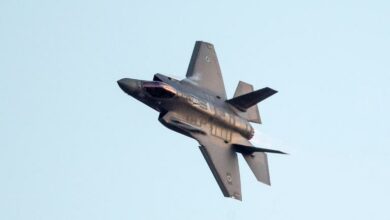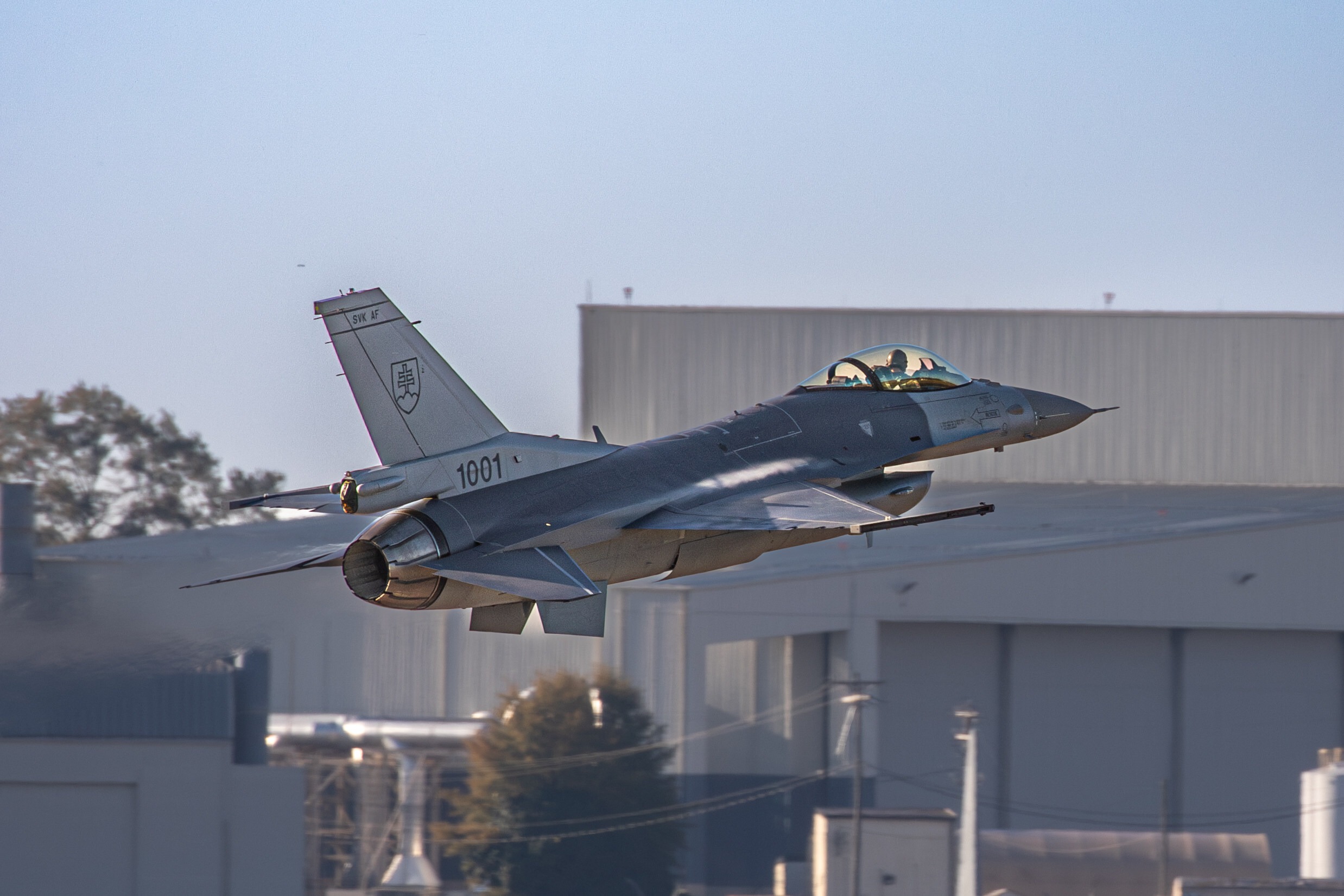
Lockheed Martin has finished building the initial fleets of F‑16 Block 70 fighters for Bulgaria and Slovakia, marking a milestone in the modernization of both nations’ air forces.
The aircraft, produced at Lockheed Martin’s South Carolina facility, have completed final production and acceptance work under the US foreign military sales program and are now ready for delivery.
Once in service, these jets will provide Bulgaria and Slovakia with advanced air defense capabilities and interoperability with NATO systems.
Mike Shoemaker, vice president and general manager of Lockheed Martin’s Integrated Fighter Group, called the achievement “a step from planning for next-generation airpower to demonstrating it in daily operations.”
The F‑16 Block 70 features the APG‑83 AESA radar, conformal fuel tanks, a digital cockpit, and the Automatic Ground Collision Avoidance System, giving both air forces modern capability aligned with NATO mission standards. The aircraft shares extensive software and hardware commonality with the F‑35 radar, while offering a 12,000‑hour service life.
This program also highlights transatlantic industrial cooperation. More than 530 suppliers across 12 countries contributed to production, including Slovakian company LOTN and Bulgarian firm Avionams.
NATO Air Defense: Big Moves and Major Acquisitions
Across NATO, nations are rapidly expanding and modernizing their air defense arsenals to counter evolving threats from drones to long‑range missiles.
A key trend is investment in ground‑based air defense systems alongside fighter upgrades.
Belgium has committed to acquiring 10 NASAMS batteries from Norway to rebuild its land‑based air defense capability, closing a capability gap that had left it reliant on allied support for surface‑to‑air coverage.
In the Baltic region, Latvia signed a $210-million deal for Saab’s RBS 70 NG air defense system, adding advanced short‑range capability against aircraft, missiles, and drones.
Meanwhile, Denmark is moving forward on multiple fronts: expanding its F‑35 fleet while also procuring additional air defense systems, such as more VL MICA and IRIS‑T SLM batteries to establish a permanent ground‑based medium‑range defense layer.
NATO is not just buying hardware but reshaping how it defends airspace. In early 2025, the alliance launched new multinational programs designed to enhance protection against low‑altitude threats and improve passive surveillance across member states.