The US Space Force will open a solicitation for contractors to develop prototype interceptors designed to hit incoming missiles in midcourse, the long stretch of flight when warheads travel through space.
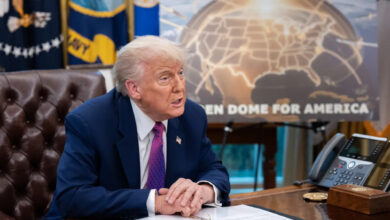
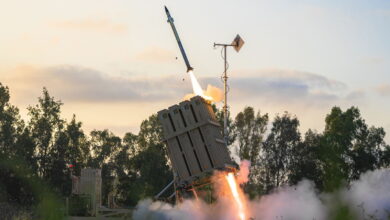
This request marks the newest phase of work on Golden Dome, the national missile defense effort launched under President Donald Trump, which would rival Israel’s Iron Dome network.
Space Systems Command said it plans to award several fixed-price agreements by February 2026 and may include prize-style competitions to speed innovation.
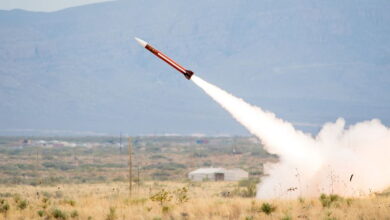
The notice contains limited technical specifications, stating only that the service is seeking “hit-to-kill” interceptors, or systems that destroy targets by direct impact rather than using lasers or other directed-energy technology.
Companies interested in competing must request the bidding documents by December 2025.
Only firms that pass government eligibility checks will receive access to detailed requirements and technical data.
The US Space Force noted that the solicitation does not commit the government to ultimately issuing any contracts.
Golden Dome Context, Oversight
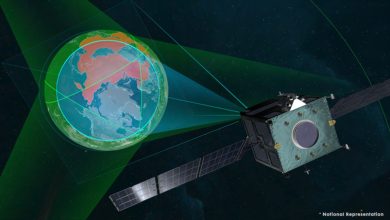
Golden Dome aims to build a nationwide missile defense system using existing sensors and new space-based technologies, with an initial setup targeted for 2028.
Midcourse interceptors would be among its key components, providing an additional chance to neutralize intercontinental ballistic missiles that evade boost-phase defenses, which strike missiles shortly after launch.
Operating in space, these interceptors benefit from shorter engagement distances and the absence of atmospheric interference, simplifying targeting compared with early-phase systems.
Gen. Michael Guetlein, who heads the Golden Dome effort, recently presented the evolving architecture to lawmakers in closed-door briefings.
The Pentagon also plans separate awards through 2029 for companies that can meet a series of ground and flight test milestones, although some industry officials have argued whether projected funding will be enough to support the effort, according to the Arms Control Association.