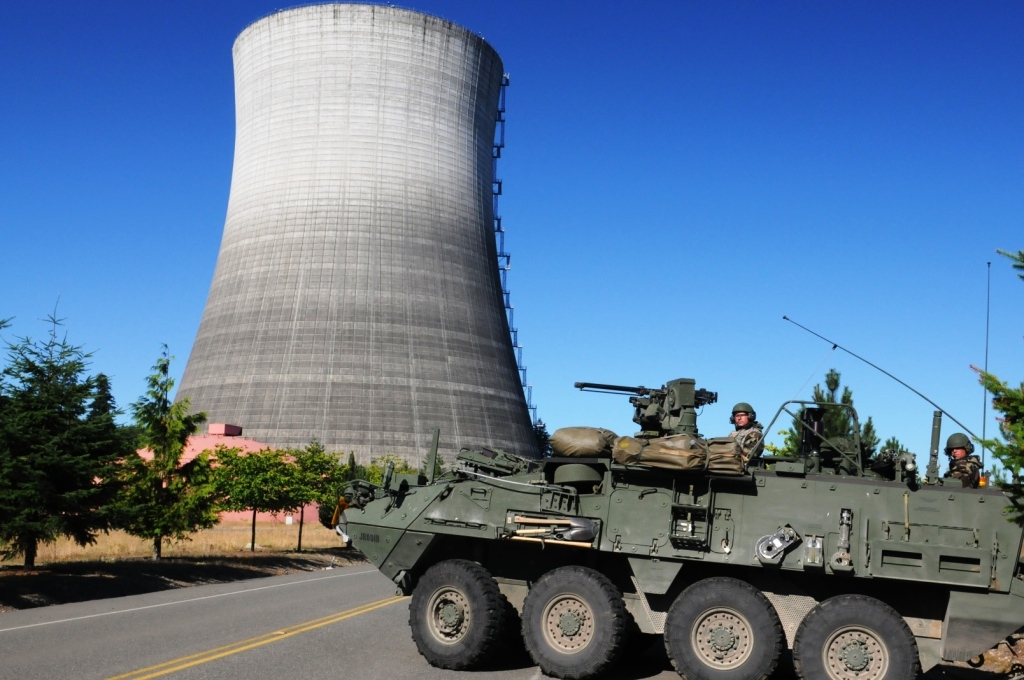
The US Army has selected nine installations as potential sites for small nuclear reactors to provide reliable, on-site power for critical operations as part of the Janus Program.
The effort, launched in October, is centered on “microreactors” which are compact nuclear units that generate 1 to 20 megawatts of electricity to power a small base independently of the national grid.
Compared to traditional nuclear plants, the incoming solutions can be moved by truck or aircraft and are designed with built-in operator protection features, modernizing “safety, security, and waste management” in power generation initiatives.
The locations include Fort Benning in Georgia, Fort Bragg in North Carolina, Fort Campbell in Kentucky, Fort Drum in New York, Fort Hood in Texas, Fort Wainwright in Alaska, the Holston Army Ammunition Plant in Tennessee, Joint Base Lewis-McChord in Washington State, and the Redstone Arsenal in Alabama.
“These early site selections align with the Department of War’s goal of accelerating the pace of deploying on-site nuclear generation at our installations,” said Jordan Gillis, assistant army secretary for installations, energy, and environment.
“Through the use of the Army’s unique nuclear regulatory authorities, we are deploying a resilient, secure, and reliable energy supply for critical defense operations and in support of the most lethal land-based fighting force in the world.”
Industry Collaboration and Deployment
Concurrent with the update, the Pentagon’s Defense Innovation Unit (DIU) launched a formal process to solicit proposals from companies to design, build, and operate the Janus Program microreactors.
Companies have until December 15 to submit prototype plans for reactors expected online by 2030.
The military plans staged deployment, working with local communities and following federal and state regulations.
“This collaboration will deliver advanced nuclear energy to Army installations, ensuring their most critical missions always have resilient and ready power,” DIU Energy Portfolio Director Dr. Andrew Higier said.