Australian Nickel-Zinc Battery Tech Under Review for AUKUS Submarines

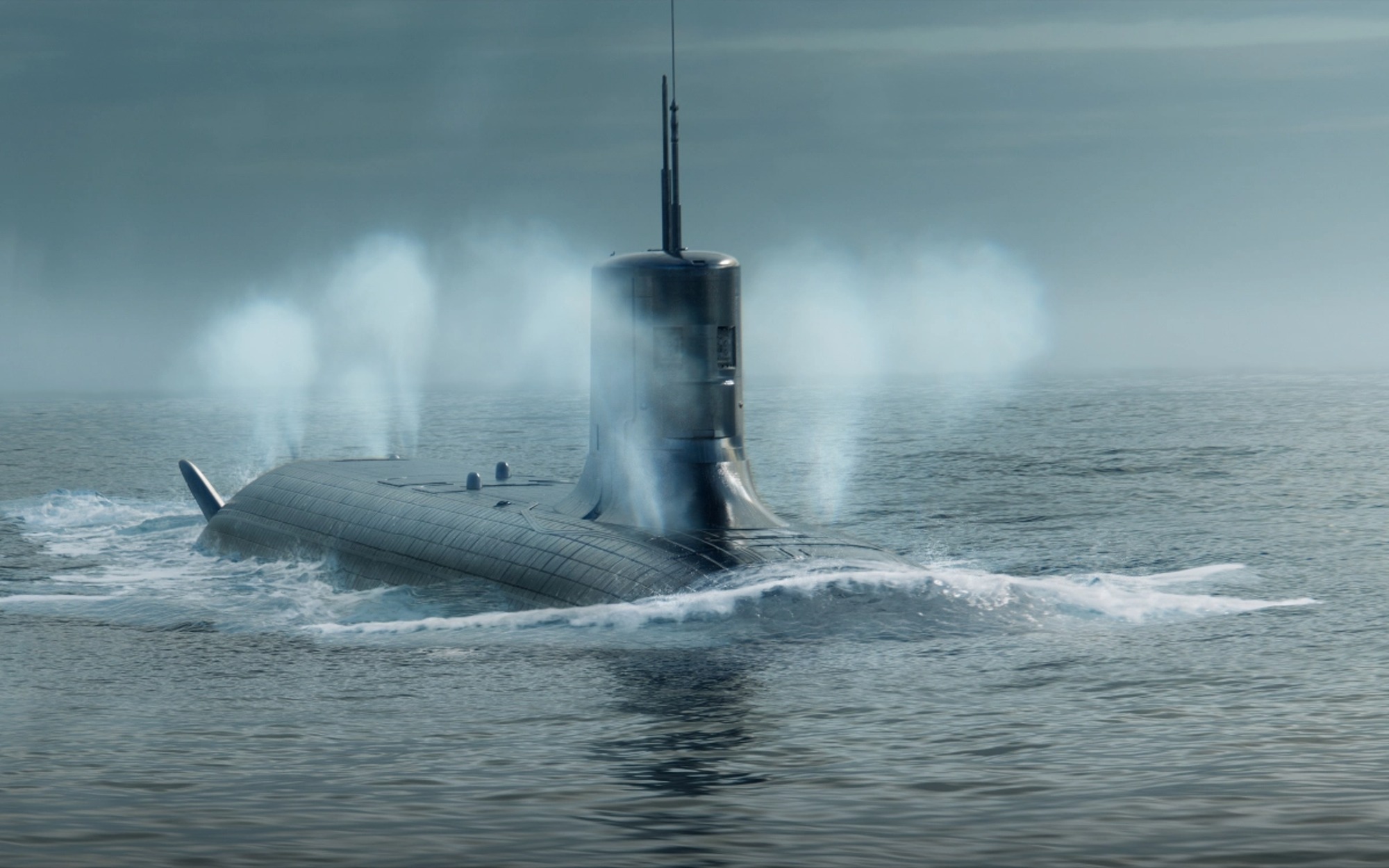
Australian firm PMB Defence Engineering has secured a contract with BAE Systems to explore the use of its nickel-zinc battery systems in the design of next-generation AUKUS nuclear-powered submarines for Australia and the UK.
Valued at more than 34 million Australian dollars ($22.1 million), the deal allows BAE access to technical data needed to assess how PMB’s battery systems can fit into submarine designs.
Nickel-zinc batteries offer about twice the energy capacity of conventional lead-acid models used to power submarine systems and act as backup energy sources, according to BAE.
The evaluation’s success will greenlight the manufacturing of the batteries at PMB’s Osborne site in South Australia.
The agreement will build on an existing collaboration between PMB, the UK Ministry of Defence, and the Submarine Delivery Agency, which have been testing similar technology for integration into the Royal Navy’s Astute-class submarines.
PMB will also leverage its experience in supporting the power supply capabilities of the Royal Australian Navy’s Collins-class submarines, operational since the 1990s.
Strengthening Industrial Collaboration
The AUKUS submarines will draw from London’s next-generation nuclear design, incorporating technologies from Australia, the UK, and the US.
In 2024, BAE Systems and ASC were selected as Australia’s sovereign shipbuilding partners under the initiative, with construction set at Osborne, Adelaide, and other parts of the country.
Commenting on PMB’s contract, BAE Systems Australia CEO Craig Lockhart said the collaboration underscores efforts to expand Canberra’s participation in the trilateral submarine project.
“Strong progress is being made on the detailed design phase of the SSN-AUKUS program, the workforce continues to grow, and strong collaboration is occurring between submarine build partners, the UK and Australian governments and industry,” Lockhart said.
“We’re committed to continuing to work closely with Australian companies, like PMB, to identify opportunities for them to be involved in SSN-AUKUS design and build activities.”