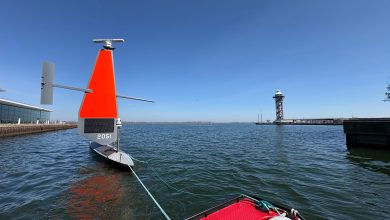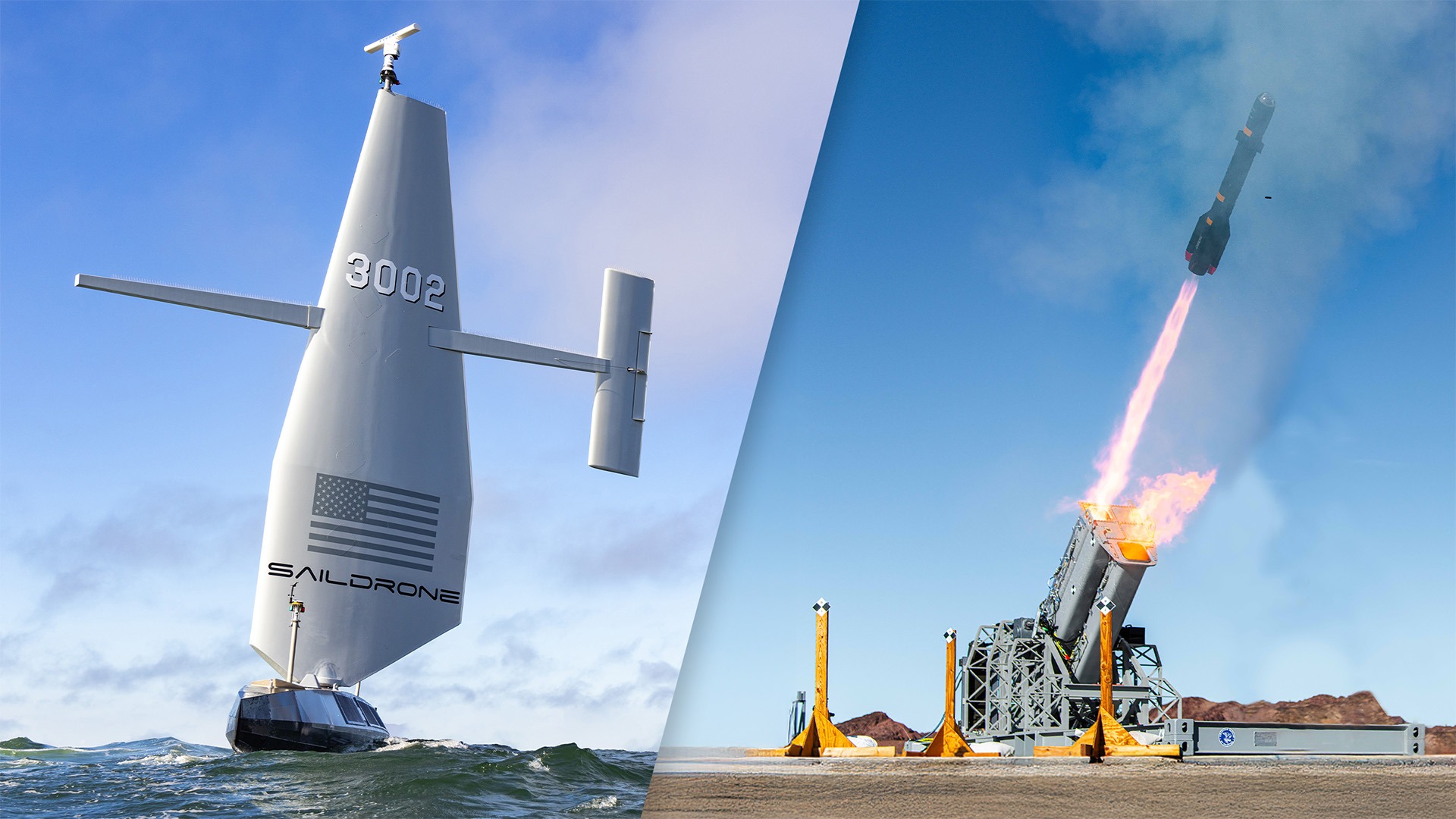
Lockheed Martin has announced a $50-million investment in Saildrone to integrate its JAGM Quad Launcher onto the Saildrone Surveyor unmanned surface vehicle (USV) platform.
Both companies plan to complete integration in the first quarter of 2026 at Austal USA, followed by a live on-water demonstration.
This marks the first instance of a Saildrone platform being fitted with an offensive payload, expanding its mission set beyond meteorological, oceanographic, and surveillance applications.
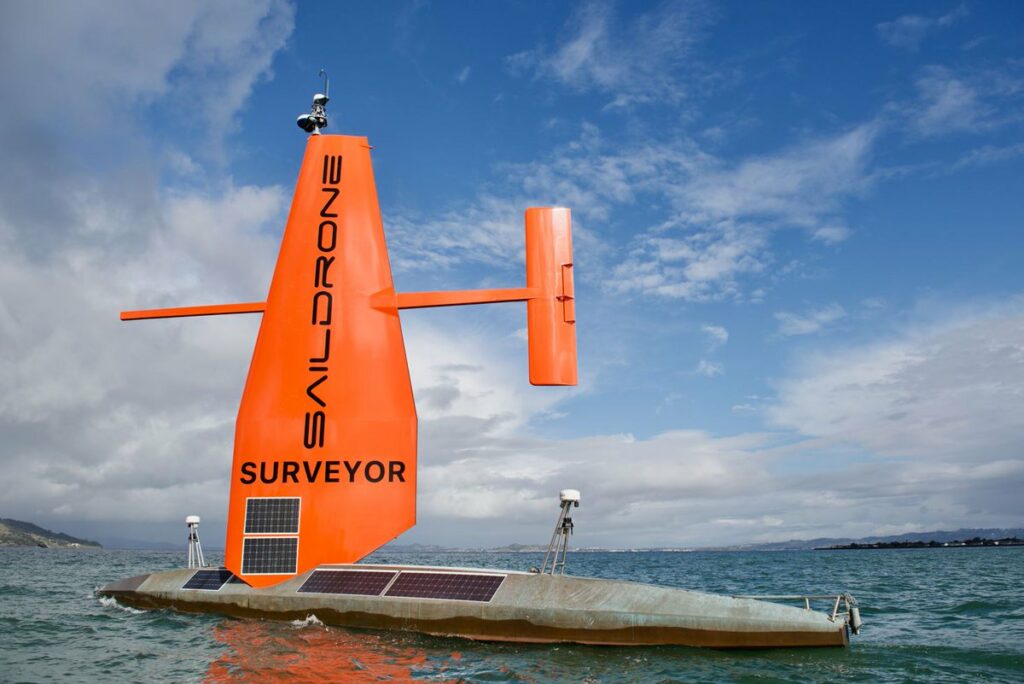
At 20 meters (65 feet) long and weighing 15 tons (13,608 kilograms/30,000 pounds), the Surveyor is the world’s largest unmanned autonomous vehicle currently in operation.
It integrates radar, cameras, the automatic identification system, and advanced machine learning to provide comprehensive situational awareness from anywhere in the world.
First Sea Trial
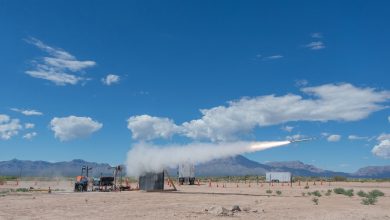
The integration will also mark the first sea-launched test of the JAGM (Joint Air-to-Ground Missile), originally developed for air-launched platforms as a replacement for the Hellfire.
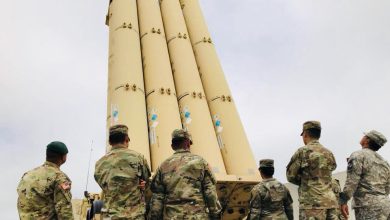
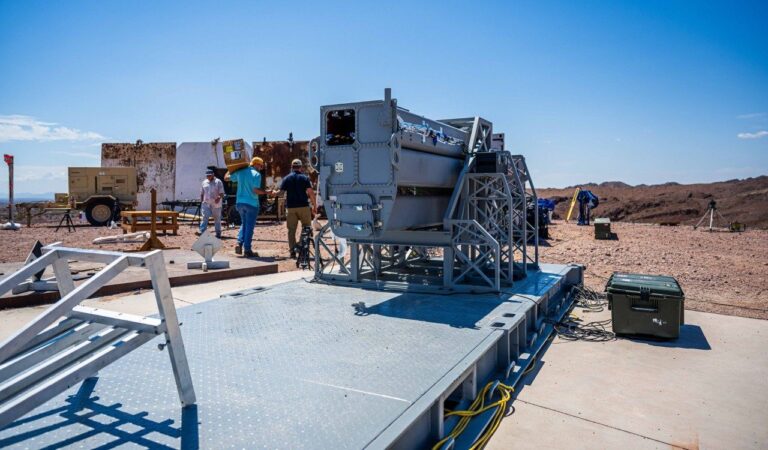
Lockheed Martin recently trialed the modular JAGM Quad Launcher, featuring four missile canisters, which is designed for deployment across multiple platforms.
The effort supports the US Navy’s vision for a USV capable of undertaking critical missions such as fleet defense, undersea surveillance, reconnaissance, and strike operations.
Work is set to begin immediately, leveraging an open-architecture framework and secure command-and-control capabilities to realize the integration.
“Lockheed Martin and Saildrone are leading the way to answer President Trump’s call for the defense industry to act differently and leverage the strength of all of industry for our national defense,” president of Lockheed’s rotary and mission systems business Stephanie C Hill said.
“Together, we are combining the most sophisticated commercial and defense technologies to deliver a lethal naval solution at speed and scale.
The nation needs this capability to maintain dominance over our adversaries, and we will deliver it.”
Saildrone USV
First launched in 2013, Saildrone USVs harness wind, solar, and wave power to achieve exceptional range and endurance.
The company has steadily advanced its core technology, setting multiple world records for autonomous surface vehicles — from the first Antarctic circumnavigation and transatlantic crossing to Arctic missions at 76 degrees north and a year-long, maintenance-free deployment.
In terms of defense applications, the company secured its first demonstration contract with the US Coast Guard in 2020.
It began collaborating with the US Navy’s Task Force 59 in 2021 to support maritime intelligence operations.
However, amid rising global instability and increasingly capable adversaries, the company has concluded there is a need to arm the platform with sufficient firepower to enhance deterrence and deliver overwhelming strike capability.
“For the last 10 years we have focused on evolving the reliability, endurance and autonomy of the Saildrone platform, which has been demonstrated in over 2 million nautical miles of active customer missions,” Saildrone founder and CEO Richard Jenkins said.
“With our technology proven, de-risked and mission ready, now is the right time to augment Saildrone USVs with sophisticated payloads to meet warfighter needs.
This collaboration will give Saildrone the tools we need to transform the capabilities of our platforms, to include electronic warfare, anti-submarine warfare, sophisticated surveillance and reconnaissance, as well as deploying kinetic effects, all seamlessly integrated with Lockheed Martin’s trusted command, control and fire control systems.”