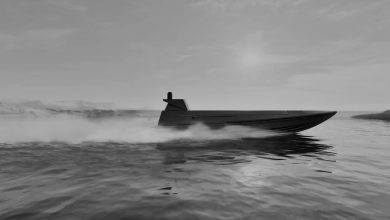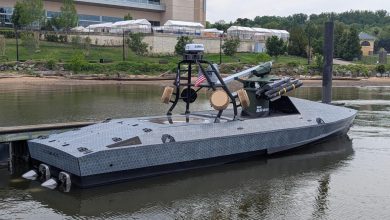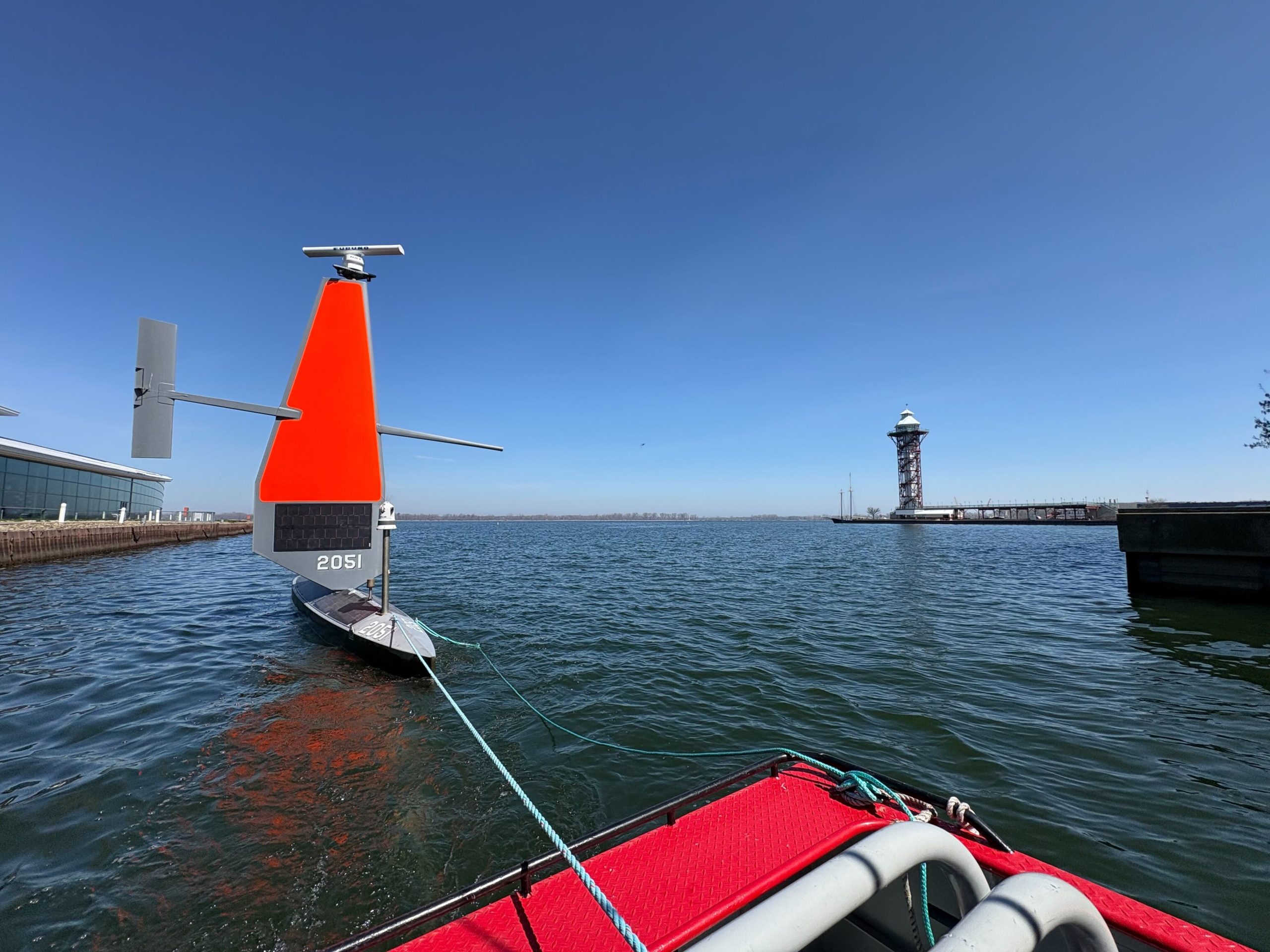
Saildrone is deploying 16 Voyager uncrewed surface vessels to support US Coast Guard operations in the Great Lakes and along the Northeast coast under a $15.5-million contract.
Designed to strengthen maritime surveillance, the deployment expands coverage across the US northern maritime approaches.
The area includes long coastlines, busy waterways with Canada, and remote North Atlantic waters that are difficult to monitor continuously with crewed patrol vessels alone.
The deployment builds on earlier operations involving Saildrone systems since 2023.
Those missions included counter-narcotics operations, migrant interdiction, search-and-rescue support, and monitoring illegal and unregulated fishing activity.
In the Great Lakes, the systems are expected to support monitoring of vessel movement across the US-Canada maritime border, where the geography, traffic density, and seasonal operating conditions complicate persistent surveillance.
Along the Northeast coast, the focus includes fisheries monitoring in North Atlantic waters, where enforcement coverage can be limited by distance and operating costs.
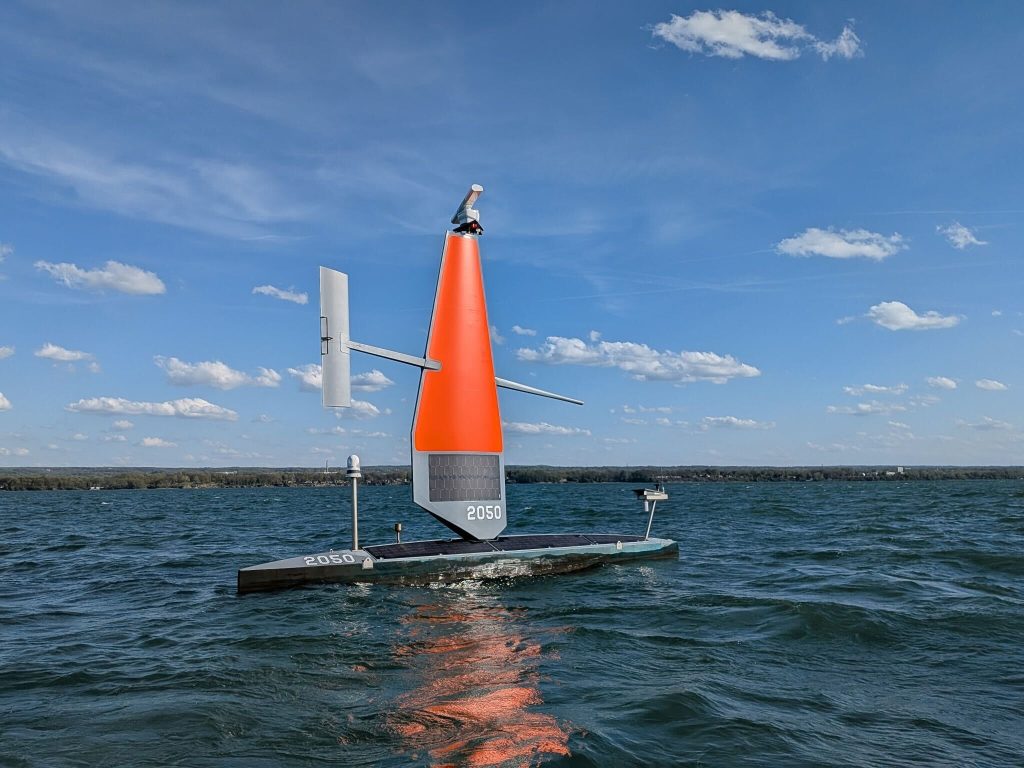
Voyager Uncrewed Surface Vessel
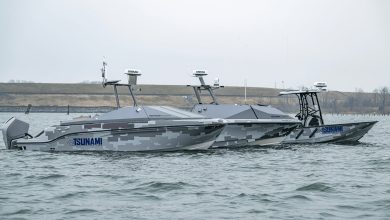
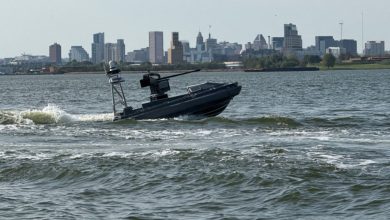
The Saildrone Voyager is a 33-foot (10-meter) platform designed for long-endurance maritime surveillance missions.
It carries maritime domain awareness payloads, including radar, electro-optical imaging systems, and automatic identification system receivers used to detect and track vessel traffic.
Data is transmitted in near real-time to shore-based operators, allowing remote monitoring of large maritime areas without requiring onboard crews.
It can also support near-shore hydrographic mapping and seabed characterization.
The platform can remain on station for extended periods, detecting suspicious activity or anomalies before conventional assets are deployed to respond.