Textron to Supply US Navy With Tsunami Drone Boats

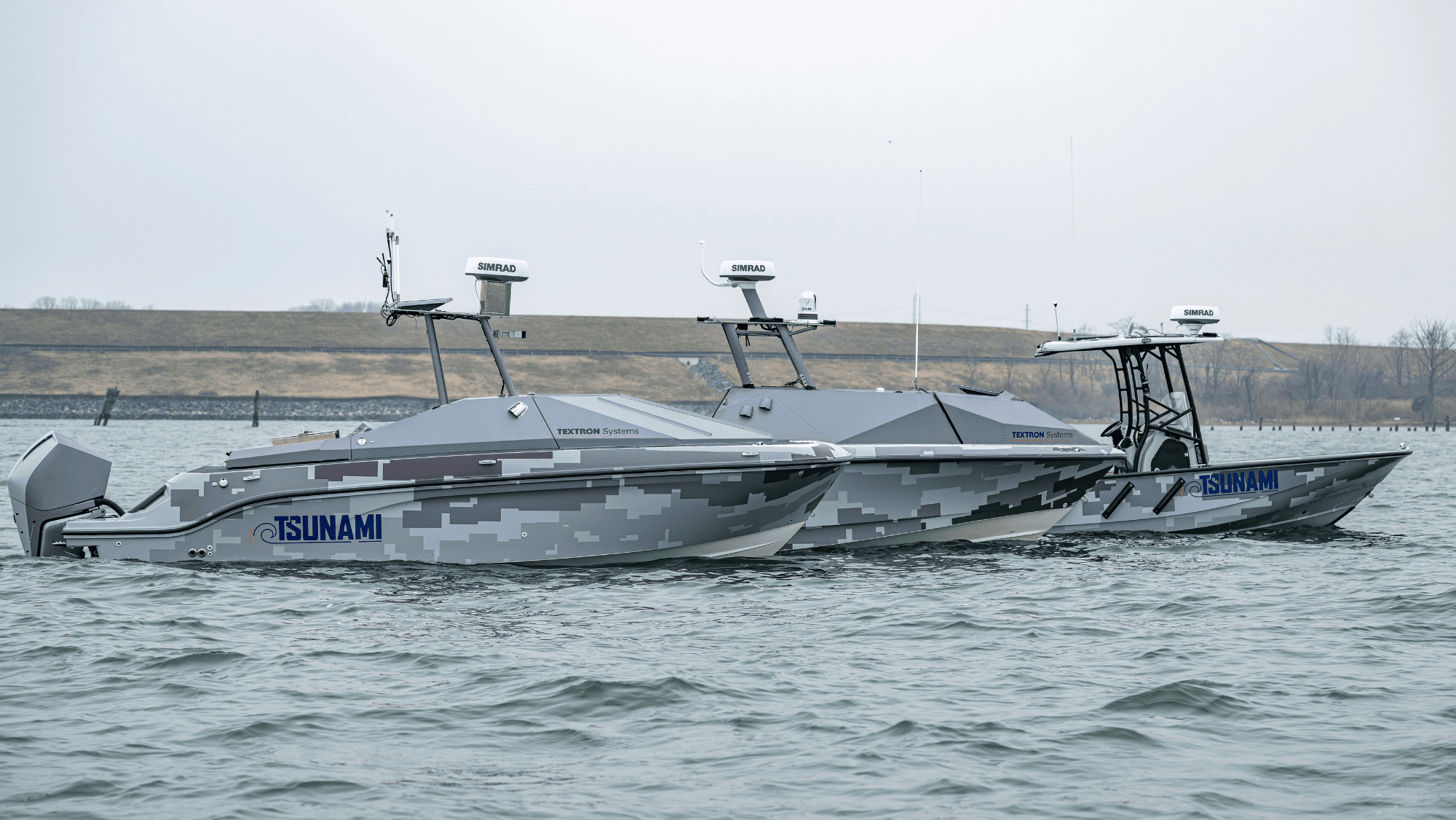
The US Defense Innovation Unit has contracted Textron Systems to provide its proprietary Tsunami unmanned surface vessels (USVs) for the US Navy.
The package includes “multiple” sets of the drone boats as well as deployment of the company’s field service representatives to support activities involving the fleet.
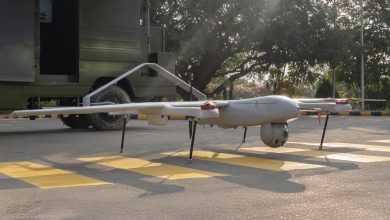
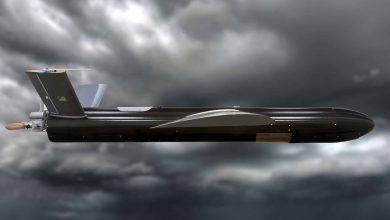
It also incorporates the demonstration of the Tsunami platform for intelligence, surveillance, reconnaissance, and targeting with support from Textron’s Aerosonde small unmanned aerial system off a littoral combat ship.
The firm will showcase the vessel’s capability alongside a surface-to-air kinetic engagement system under a surface warfare exhibition.
The USVs will be distributed to the US Navy’s Fleet Experimentation in Key West, Florida, an annual event testing manned-unmanned teaming solutions against multi-domain threats in regions lacking allied naval assets.
The boats will also be delivered to the military’s Fourth Fleet and the US Southern Command, assisting in joint operations for three months across areas of responsibility.
“The TSUNAMI family of vehicles leverage Textron Systems’ decades of expertise in autonomous systems innovation, coupled with the speed and scalability of Brunswick Corporation’s established and globally sustainable production line of vessels,” said Ryan Schaffernocker, SVP of air, land, and sea systems at Textron.
“This award establishes a partnership foundation for TSUNAMI USV government-owned, contractor-operated and contractor-owned services, allowing for rapid deployment with a lower cost of ownership for the Navy.”
The Tsunami System
Textron’s Tsunami USV product line offers platforms in 21, 24, 25, 28, and 38-foot (6.4, 7.3, 7.6, 8.5, and 11.5-meter) variants.
It is built to resist Sea State 4 conditions, or waters where waves reach 4.1 to 8.2 feet (1.25 to 2.5 meters).
The system can carry payloads weighing up to 5,214 pounds (2,365 kilograms) and is integrated with Textron’s in-house Common Unmanned Surface Vehicle autonomy control system.
It is powered by gasoline and up to three 400-horsepower engines for speeds over 50 knots (93 kilometers/58 miles per hour).