Experts at the US Army Research Institute of Environmental Medicine (USARIEM) may have found a genetic clue to why some soldiers handle extreme stress better than others.
USARIEM’s Military Nutrition Division discovered that a rare variant of a gene regulating serotonin, the brain’s “feel-good” chemical, was more common in warfighters who scored high on resilience tests.
The project is part of a broader effort to identify what drives success in extreme training and operational settings, using more than a decade of physical, psychological, and genetic data.
Rare Gene Variant
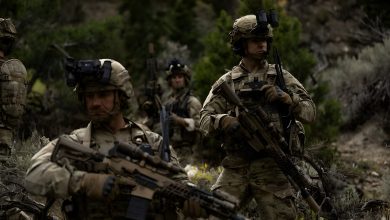
The study tracked 73 Special Forces candidates during the three-week Survival, Evasion, Resistance, and Escape course at the US Army John F. Kennedy Special Warfare Center and School in Camp Mackall, North Carolina.
Researchers monitored stress responses over several months using questionnaires, saliva tests for the body’s main stress hormone cortisol, and genetic analysis.
During the most intense phase of training, cortisol levels in personnel soared nearly tenfold. Yet some soldiers said they felt more focused, adaptable, and able to handle pressure by the course’s end.
Those gains were closely tied to a rare gene variant, SNP rs4251417, which affects how the brain regulates serotonin, or the chemical that influences mood and stress. Only 15 percent of the participants in the study carried this variant, compared with 9 percent of the cohort.
While the findings suggest that people with higher stress tolerance might be more likely to seek high-pressure roles, researchers say more studies are needed to confirm the link.
Potential Applications
According to the US Army, identifying biological markers of resilience could help the military develop tools to better prepare troops for high-stress environments and potentially improve treatments for stress-related conditions, including post-traumatic stress disorder.
Dr. Harris Lieberman, research psychologist at USARIEM and principal investigator of the study, said understanding mental strain and how it disrupts performance opens the door to therapeutic and behavioral interventions that address the root causes of intense and crippling stress.
“We may be able to improve therapeutic options for individuals who are at greater risk of experiencing a psychiatric disorder through exposure to high levels of stress that they can’t accommodate,” Lieberman explained.
Results of the paper, titled The minor allele of the serotonin transporter gene variant rs4251417 is associated with increased resilience in soldiers experiencing acute stress during survival training: preliminary findings, are published in the journal Anxiety, Stress, and Coping.