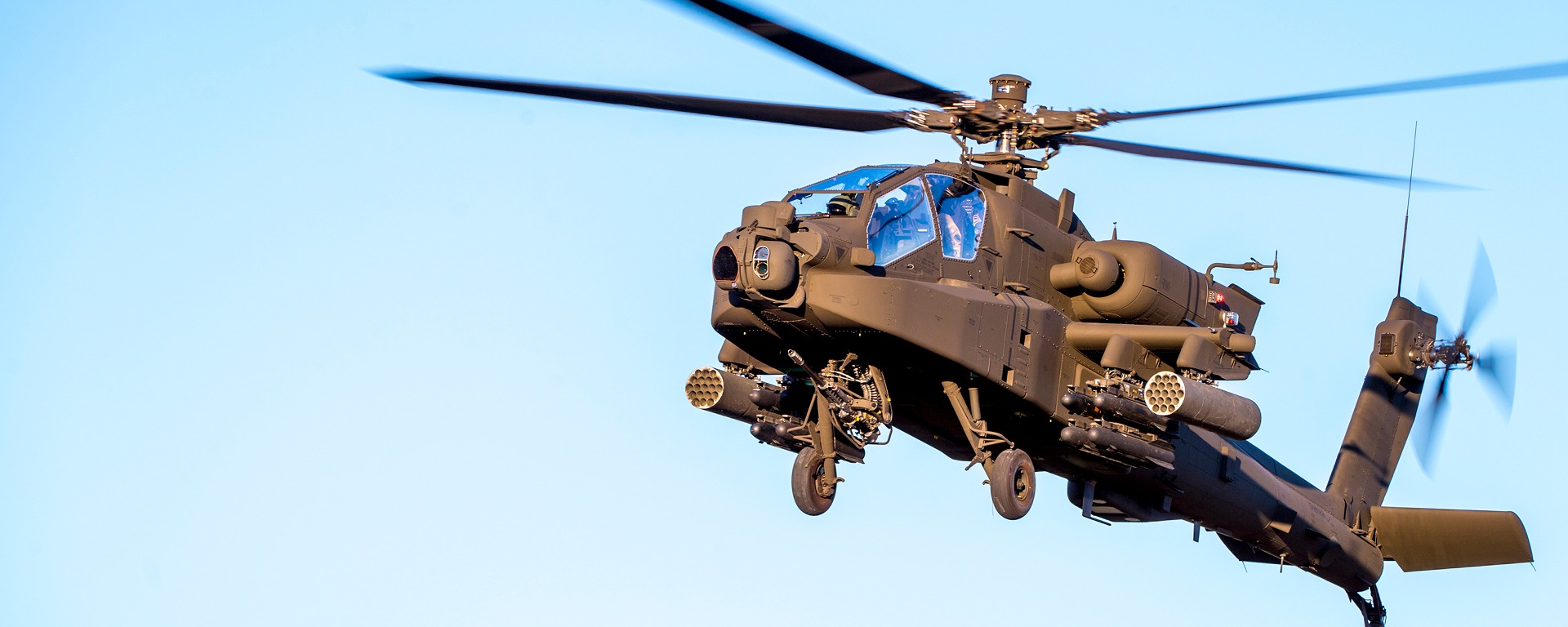
For more than four decades, the AH-64 Apache has stood as the quintessential attack helicopter — a lethal blend of precision firepower, advanced sensors, and tactical versatility.
From the deserts of the Middle East to the skies over Eastern Europe, it has become a symbol of modern aerial warfare, evolving with every new threat and battlefield requirement.
This explainer unpacks what the Apache is, how it came to be, its key variants, core capabilities and limitations, global use, and what its future might hold.
What Is the Apache?
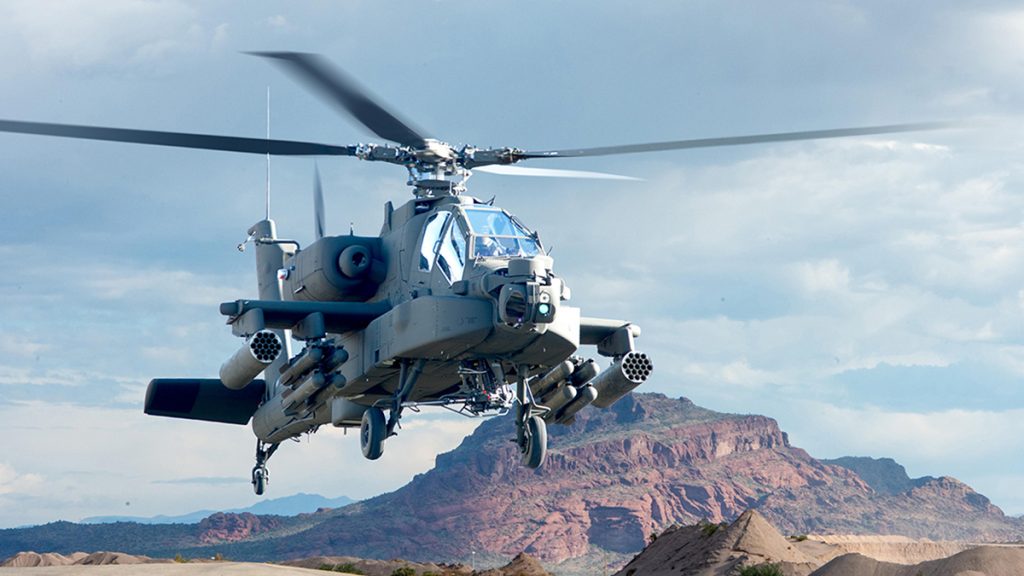
At its essence, the AH-64 Apache is a twin‑engine attack helicopter designed to deliver precision strike capability, survivability, advanced sensor fusion, and networked battlefield awareness.
Built originally to defeat armored threats during the Cold War, it has grown into a multi‑domain attack platform capable of close air support, anti‑armor warfare, armed reconnaissance, and integrated joint operations.
From Design to Combat Legacy
The Apache was developed in the 1970s and 1980s in response to US Army requirements for a next‑generation attack helicopter.
McDonnell Douglas, later acquired by Boeing, delivered the first AH-64A Apache to the US Army in 1984.
Since then, the design has continuously evolved in capability, sensors, and weapons systems, with later models incorporating digital avionics and networking systems tailored to joint and coalition operations.
Variants: Iterations With Purpose
Unlike simple upgrades, Apache variants represent distinct generations with substantive capability improvements:
| Variant: | Key Difference or Role: |
| AH‑64A | Original production model; baseline attack helicopter role |
| AH‑64D Longbow | Added Longbow radar for enhanced target acquisition and all‑weather engagement |
| AH‑64E Guardian | Latest model with improved engines, advanced sensors, digital networking, and manned‑unmanned teaming |
| Export/Customized Versions | Such as the UK WAH‑64 or Israeli AH‑64I Saraf — tailored to national requirements. |
How the Apache Works: Anatomy of a Lethal Platform
Firepower and Armament
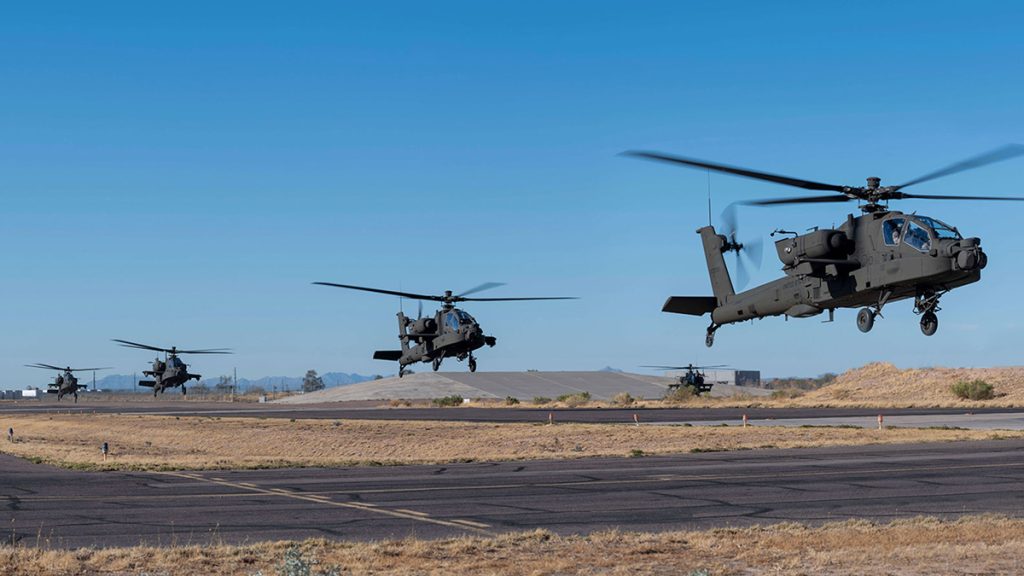
AH-64 Apache helicopters carry a mix of precision and area‑effect weapons.
Its primary gun is the 30mm M230 chain cannon, capable of engaging infantry, light vehicles, and fortifications with high‑explosive rounds.
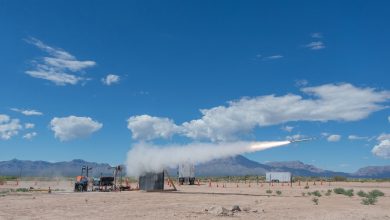
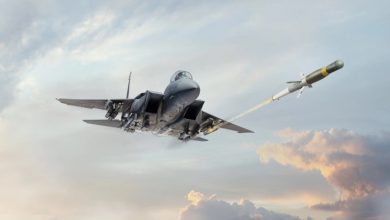
Hardpoints on stub wings carry up to 16 AGM‑114 Hellfire anti‑tank missiles and arrays of unguided Hydra 70 rockets for flexible mission roles.
Sensors and Targeting
The Apache’s sensor suite, including systems like Target Acquisition and Designation Sight, Pilot Night Vision System, and, on some variants, Longbow radar, allows it to detect, track, prioritize, and engage targets in all weather and lighting conditions.
These systems also feed battlefield data to friendly units.
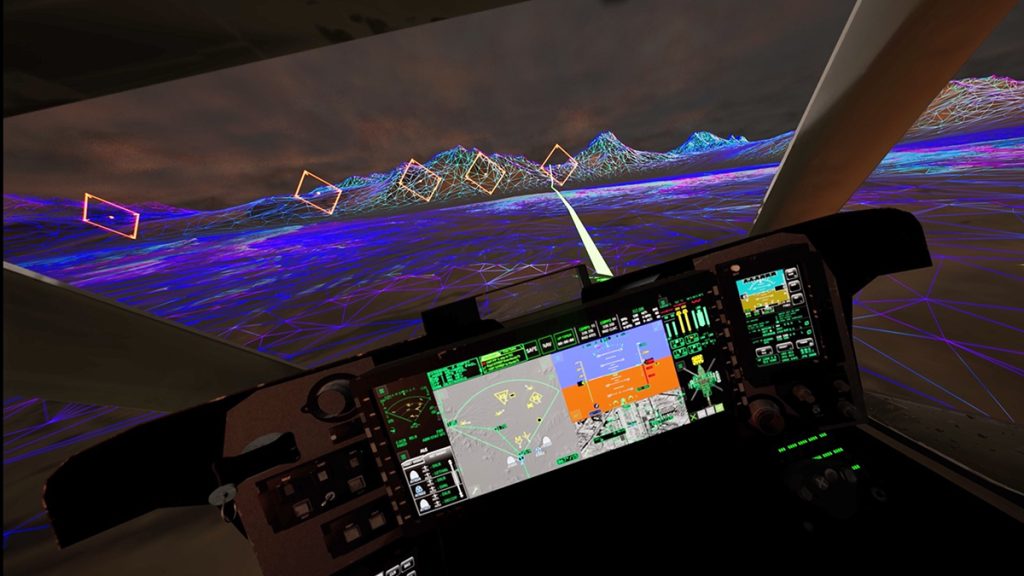
Mobility and Crew Interface
Powered by two high‑performance turboshaft engines, the aircraft can cruise at nearly 280 kilometers (174 miles) per hour and operate at significant altitudes and ranges.
A two‑person crew (pilot and co‑pilot/gunner) shares control and sensor duties, and advanced interfaces, such as helmet‑mounted displays, improve battlefield awareness.
Strengths
- Unmatched firepower: Combines accurate Hellfire missiles with rapid cannon fire for tactical dominance.
- Advanced sensors and night capability: Integrated optics and radar enable day/night operations in adverse conditions.
- Networked warfare ready: Newer models feature open‑architecture systems and manned‑unmanned teaming for joint engagement.
Limitations
- Air defense vulnerability: In high‑threat environments with modern air defenses, helicopters face increasing risk without suppression of enemy air defenses support.
- Crew workload: While advanced, the dual‑crew setup still demands intense coordination in complex missions.
Where and How Apache Has Been Used
The Apache has seen action across multiple theaters and missions:
- Gulf War and Middle East campaigns: Destroying armored formations and providing close air support.
- Global deployments: The US, UK, Poland, Israel, and more operate Apache variants.
- Peacekeeping and deterrence: Forward presence missions in NATO’s eastern flank and support to allied ground forces.
Future Outlook: From Helicopter to Network Node
The AH-64’s evolution is far from over.
The latest AH-64E Guardian model incorporates improved digital networks, missile suites, drone control, sensors, and avionics that extend its battlefield relevance into the 2030s and beyond.
As air defense systems become more sophisticated and unmanned systems proliferate, Apache doctrine is shifting toward manned‑unmanned teaming, advanced stealthy munitions, and integration with allied digital fire networks.