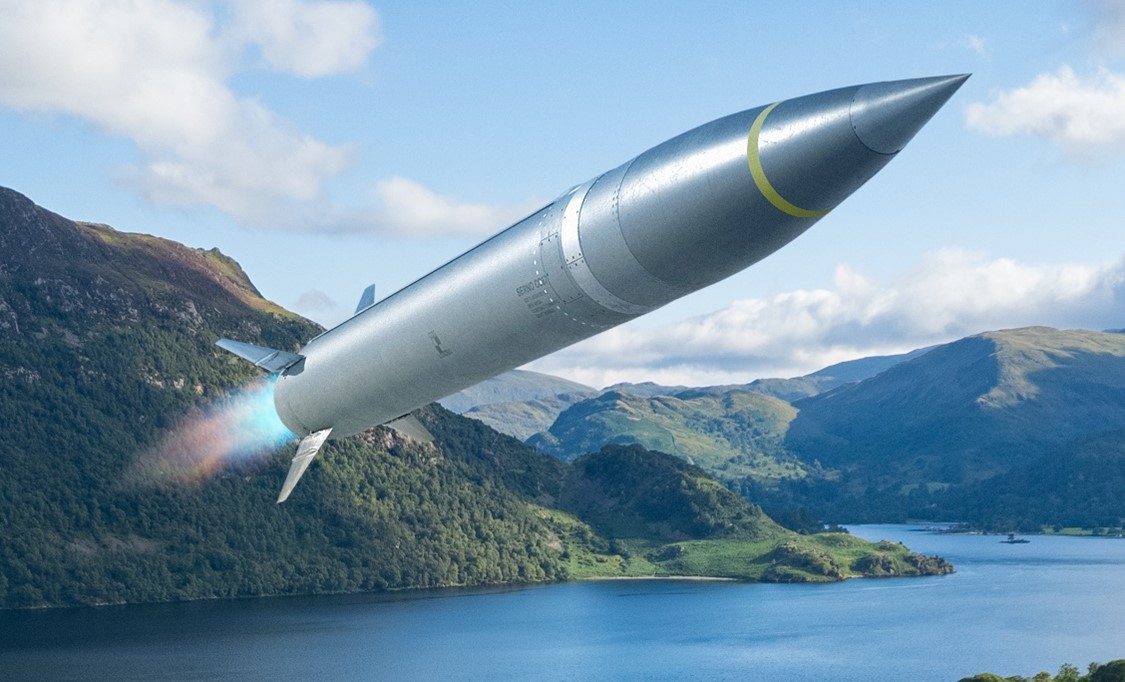
The Precision Strike Missile (PrSM) provides a modern, flexible, and precise deep‑strike capability that dramatically outpaces older artillery and tactical missiles.
Built for a battlefield where reach, accuracy, and adaptability matter as much as explosive power, Lockheed Martin’s PrSM is designed to give commanders the ability to hit high‑value, time‑sensitive targets deep behind enemy lines — all from mobile ground launchers already fielded.
Unlock the complete story of PrSM and discover how it reshapes long‑range precision fires for modern forces.
Introducing the PrSM
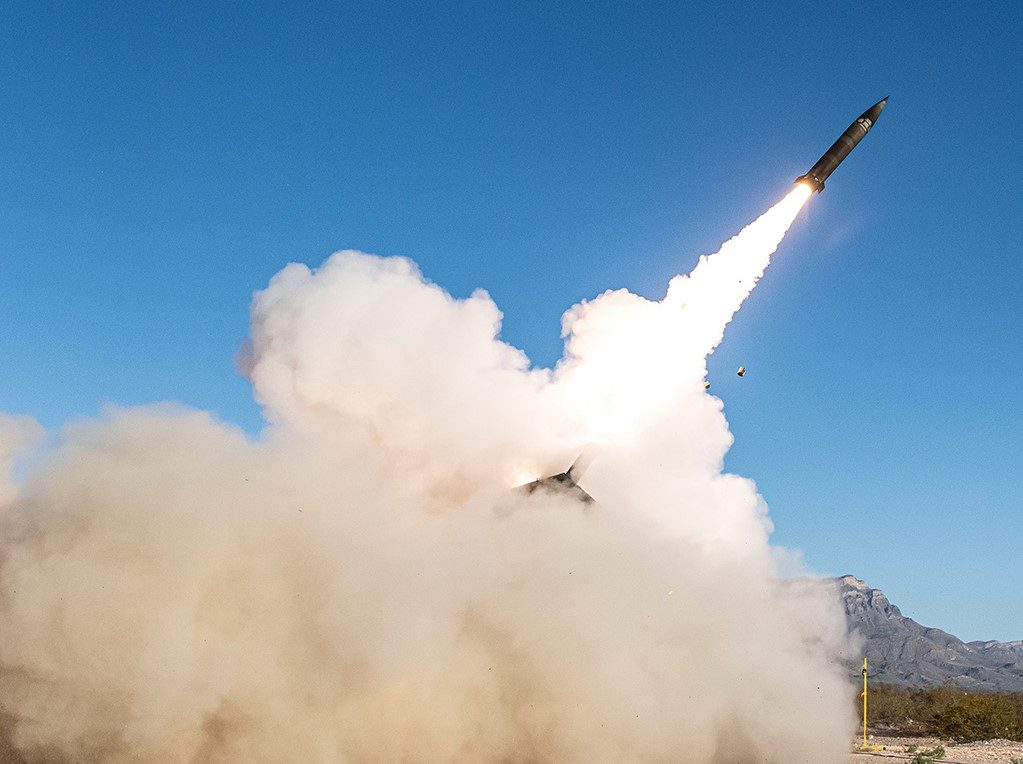
The PrSM is a next‑generation, long‑range, precision surface‑to‑surface missile that offers extended range, improved guidance, and greater flexibility while remaining compatible with existing mobile launch platforms.
PrSM is engineered to deliver precision fires against targets such as integrated air defense systems, command centers, logistics hubs, and missile launchers from well beyond the front lines.
Early operational variants demonstrate ranges exceeding 400 to 500 kilometers (250 to 310 miles), nearly doubling the reach of legacy systems. Future increments may extend that range toward 1,000 kilometers (620 miles) while adding multi‑mode guidance for engaging mobile and maritime targets.
Its modular design and open systems architecture also position it for future upgrades, including enhanced seekers and moving‑target engagement.
| Category | Details |
| Type | Long‑range, surface‑to‑surface precision missile |
| Developer | Lockheed Martin |
| Launch Platforms | M142 HIMARS, M270A2 MLRS |
| Guidance | GPS‑aided Inertial Navigation System; multi‑mode terminal seekers in future variants |
| Range | > 400 to 500 kilometers (250 to 310 miles) |
| Warhead | High‑explosive (unitary); future payload options possible |
| Accuracy | Sub‑meter Circular Error Probable |
| Dimensions | ~4 meters (13 inches) length; ~43 centimeters (16.9 inches) diameter |
| Missile Weight | ~816 kilograms (1,799 pounds) |
| Launch Pod Capacity | 2 missiles per pod (doubling previous system load‑out) |
| Architecture | Open systems architecture for modular upgrades |
| Operational Status | Low‑rate initial production transitioning to fielding |
| Primary Role | Deep precision fires against high‑value strategic and operational targets |
A Look Into PrSM’s Development
The idea for the missile system emerged in the mid-2010s under the Army’s Long Range Precision Fires initiative.
It aimed to replace legacy systems (such as the MGM‑140 ATACMS) with more capable long-range strike options, as its predecessors lacked the reach, precision, and payload flexibility needed for 21st‑century conflicts.
Lockheed Martin was awarded the primary contractor role to turn the concept into reality.
The following design prioritized better and longer range, lower radar visibility, reduced maintenance, and flexible payloads — all packaged in a modular missile compatible with existing launchers.
How PrSM Works and Core Capabilities
Launch Platforms
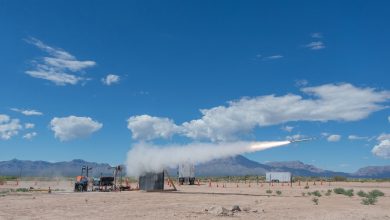
PrSM is designed to be fired from two existing and widely deployed rocket artillery systems:
- The M142 High Mobility Artillery Rocket System (HIMARS)
- The M270A2 Multiple Launch Rocket System (MLRS)
Both are mobile, networked launchers capable of rapid shoot‑and‑scoot operations that complicate enemy counter‑battery fire.
PrSM’s compatibility with these platforms means units don’t need entirely new infrastructure to field advanced long‑range fires.
Design and Guidance
At roughly 4 meters (13 feet) long and 43 centimeters (16.9 inches) in diameter, PrSM’s sleek design emphasizes range and loadout efficiency.
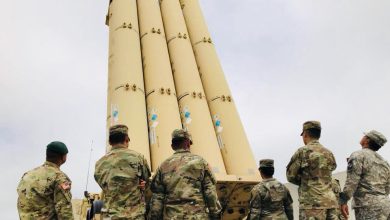
Unlike ATACMS — which carried a single missile per pod — PrSM’s compact airframe allows two missiles per launcher pod, doubling the rounds a launcher can carry and fire before reloading.
Guidance is provided by a hybrid inertial navigation system combined with GPS, delivering high precision for fixed, high‑value targets in all weather conditions.
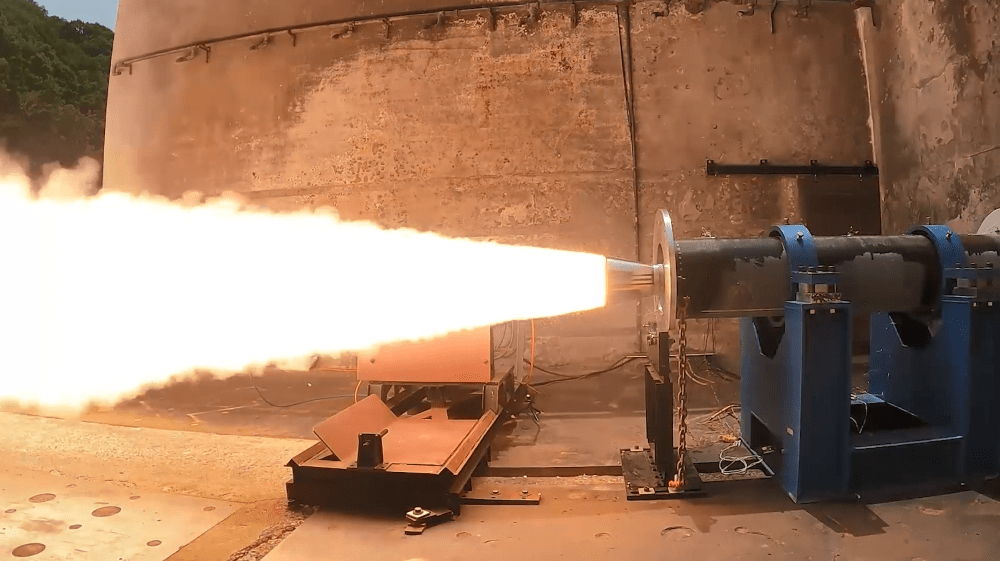
Engineered with insensitive munition standards, the missile’s motor and payload are designed for safety and survivability during transport, handling, and launch.
Range and Payload
- Increment 1: Operational range exceeding 400 to 500 kilometers (250 to 310 miles), enabling strikes far beyond the reach of traditional artillery and early tactical missiles.
- Increment 2 and beyond (in development): Future versions aim to extend range beyond 500 kilometers (310 miles) and incorporate advanced multi‑mode seekers capable of engaging moving land or maritime targets.
The missile’s unitary high‑explosive warhead is optimized for precision against hardened or soft strategic targets, including enemy air defense systems, command facilities, logistics hubs, and missile launchers.
Operational Impact and Advantages
PrSM’s combination of extended range, precision guidance, and doubled payload capacity gives field commanders a decisive edge in shaping the battlefield before close engagements begin.
Its integration with HIMARS and M270A2 launchers means units can rapidly relocate after firing, improving survivability against counter‑battery systems.
The missile’s modular, open‑systems architecture also positions it for future upgrades — from enhanced seekers to expanded warhead options, helping ensure it remains relevant as threats evolve across domains.
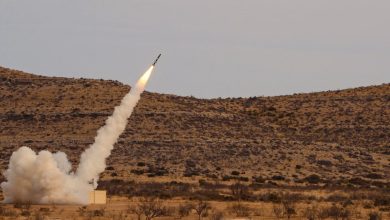
It was first launched during the US-Israeli offensive against Iran, fired from an M142 HIMARS with an undisclosed target.
Limitations and Challenges
Despite its advantages, PrSM has constraints that reflect both technical trade‑offs and evolving operational demands:
- Launcher constraints: The missile’s design is constrained by the physical limits of the HIMARS and MLRS platforms. This restricts missile size and potential payload options compared with larger, dedicated launchers.
- Mobility versus strategic reach: While mobile launchers enhance survivability, they still require secure logistics, transport, and command‑and‑control integration, especially when operating at extended ranges far behind friendly lines.
- Target set evolution: Initial PrSM variants are optimized for stationary, high‑value targets. Engaging moving targets at long range, such as ships at sea, depends on incremental seeker upgrades still in development.
Why PrSM Matters
In an era of contested access and increasingly capable adversaries, PrSM represents more than just a new missile — it embodies a shift in how ground forces project power.
By dramatically outpacing legacy systems, improving precision, and leveraging existing launcher infrastructure, PrSM gives the US Army and its partners a scalable, survivable, and flexible deep‑strike capability that reshapes operational planning across joint and multi‑domain battlefields.