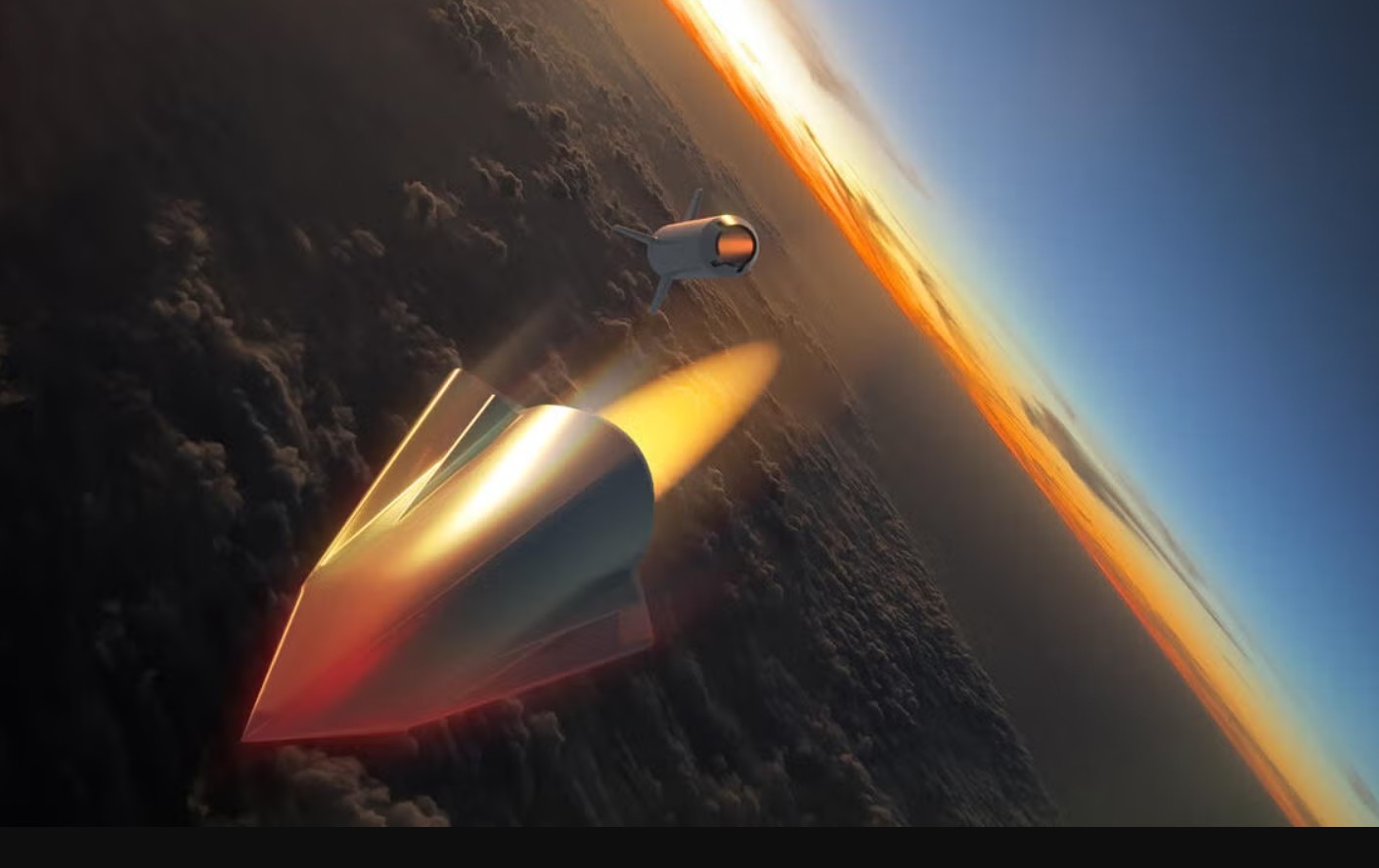
L3Harris Technologies announced it has improved additive manufacturing for air breathing hypersonic propulsion systems, cutting component production time by 90 percent.
The work is conducted under a US Department of Defense Manufacturing Technology Program contract managed through the Naval Surface Warfare Center Crane, as part of the Growing Additive Manufacturing Maturity for Airbreathing Hypersonics initiative.
The program focuses on identifying materials, equipment, and processes that enable scalable production of hypersonic propulsion systems.
By integrating large-format 3D printing, robotics, autonomous machines, and optimized workflows, L3Harris has created a manufacturing approach that reduces reliance on traditional supply chains and extensive post-processing.
Scott Alexander, President of Missile Propulsion at L3Harris, explained that the new approach allows the company to “start with just powdered metal and quickly produce a complete propulsion system,” combining multiple steps, simplifying production, and lowering costs.
Recent Projects
In February, L3Harris secured multiple contracts across several domains.
The company finalized its largest full-rate production agreement to date for submarine communications equipment, supplying 26 shipsets to General Dynamics Electric Boat for US Navy Virginia- and Columbia-class submarines.
By integrating advanced technologies for secure, reliable information sharing during missions, the systems aim to enhance onboard connectivity and situational awareness for submarine crews.
Moreover, the US firm received a $400-million contract to produce additional solid rocket booster motors and Liquid Divert and Attitude Control Systems for the US Terminal High Altitude Area Defense (THAAD) missile defense system.
The contract includes components for propelling and steering THAAD interceptors during high-altitude missile interceptions.
Additionally, L3Harris signed a cooperation agreement with Saudi Arabia focusing on advanced command-and-control and AI capabilities.