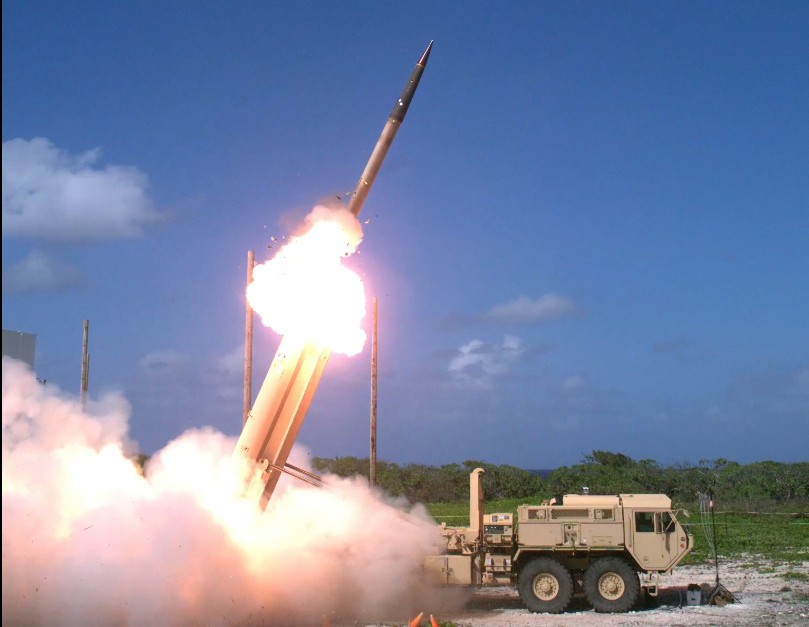
L3Harris Technologies has received a $400-million contract to produce additional solid rocket booster motors and Liquid Divert and Attitude Control Systems (LDACS) for the US THAAD missile defense system.
THAAD, or Terminal High Altitude Area Defense, is designed to intercept short, medium, and intermediate-range ballistic missiles both inside and outside the atmosphere, using hit-to-kill technology to destroy incoming threats.
The award covers components that power and guide THAAD interceptors during high-altitude missile engagements.
L3Harris marked a production milestone in 2024 by delivering its 1,000th solid rocket motor and 1,000th LDACS ahead of schedule.
Production takes place across Huntsville, Alabama; Camden, Arkansas; and Los Angeles. Company leadership emphasized that the new contract continues their long-term commitment to supporting US and allied missile defense capabilities.
“THAAD is paramount to the security of this nation and our allies, and we are dedicated to delivering our proven propulsion for years to come,” Ken Bedingfield, President for L3Harris Missile Solutions, said.
US Contracts Drive THAAD Production
THAAD’s continued deployment has relied on multiple contracts issued over the years.
In February 2026, the company announced that it is partnering with the US Department of Defense to expand production of THAAD interceptors to address increasing global demand. This will push production from 96 to 400 over the coming years.
The US is also set to invest $1 billion in L3Harris’ newly created Missile Solutions unit to expand US production of solid rocket motors for critical missile programs.
Earlier in February 2025, the Missile Defense Agency awarded Lockheed Martin a follow‑on development contract valued up to $2.81 billion to continue THAAD modernization work.
The multi‑year agreement supports upgrades in hardware and software aimed at countering evolving ballistic‑missile threats and enhancing interoperability with other defense systems.
By July 2025, the US Department of Defense issued a major modification to a THAAD interceptor production contract with Lockheed Martin’s Missiles and Fire Control division.
That award, roughly $2.06 billion, raised the total value of the existing production contract to over $10.4 billion and extended work through late 2029.