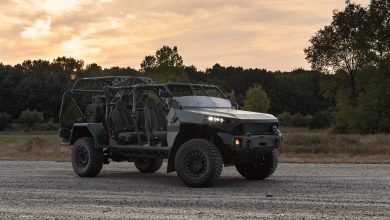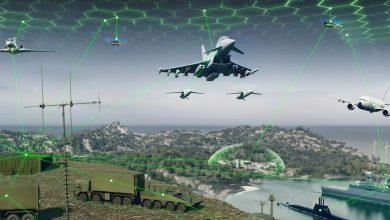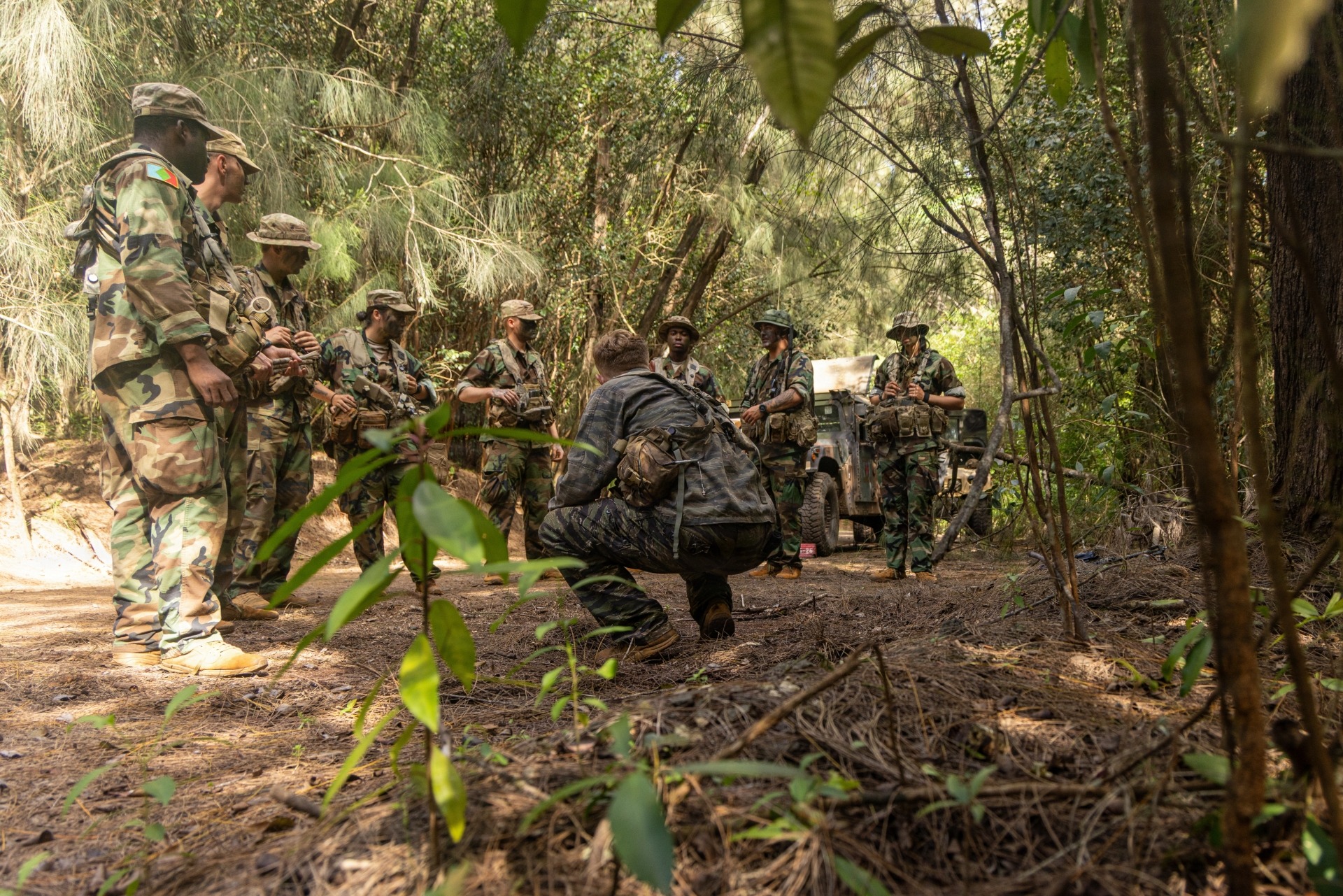
Lockheed Martin has showcased a Next Generation Command and Control (NGC2) prototype for the US Army at Schofield Barracks, Hawaii.
The demonstration marked the force’s initial operational test of the integrated data layer solution, aimed at speeding decisions by sharing live information across units.
Lockheed received a $26-million contract in September 2025 to develop the battle network technology for the service, with defense industry partners Raft and Accelint supporting the effort.
How NGC2 Works
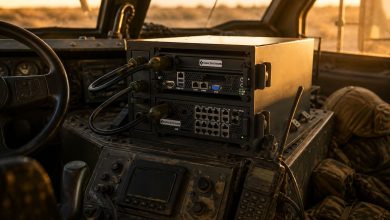
Lockheed’s NGC2 testbed runs on the 25th Infantry Division’s (25ID) existing transport and computing infrastructure and supports operations from division to platoon level, including cloud to device systems.
The 25ID, stationed at Schofield, is one of two US Army units selected to experiment with new NGC2 capabilities.
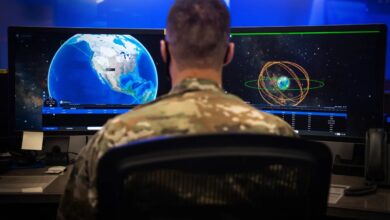
During the event, the team integrated data from small unmanned aerial systems, soldier locations, environment graphics, and electromagnetic activity into a single common operating picture.
The system also used artificial intelligence tools to automate narrative reports through voice and chat, replacing manual radio-to-map processes.
Lockheed highlighted that the trial was completed just one month after the platform was delivered and installed at 25ID’s Home Station Mission Command Lab.
Lightning Surge Series
The trial was facilitated during the US Army’s Lightning Surge 1, an exercise specifically designed to explore modern C2 assets that allow “a unified view of the battlefield from the tactical level to the command post.”
“Our goal during the NGC2 Lightning Surge events is to prove speed and warfighter centered development at every step,” said Chandra Marshall, vice president at Lockheed Martin.
“Our team is focused on strong collaboration with the Army and the best of industry partners, while remaining flexible, iterating in real time and accelerating the delivery of capability.”
Lightning Surge 2, scheduled for February 2026, will cover digitized fire missions as the military adopts new capabilities.