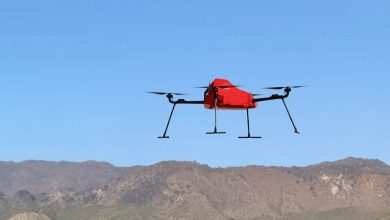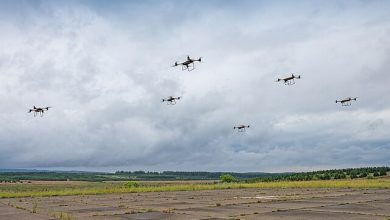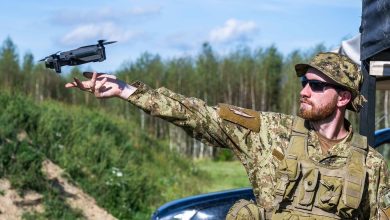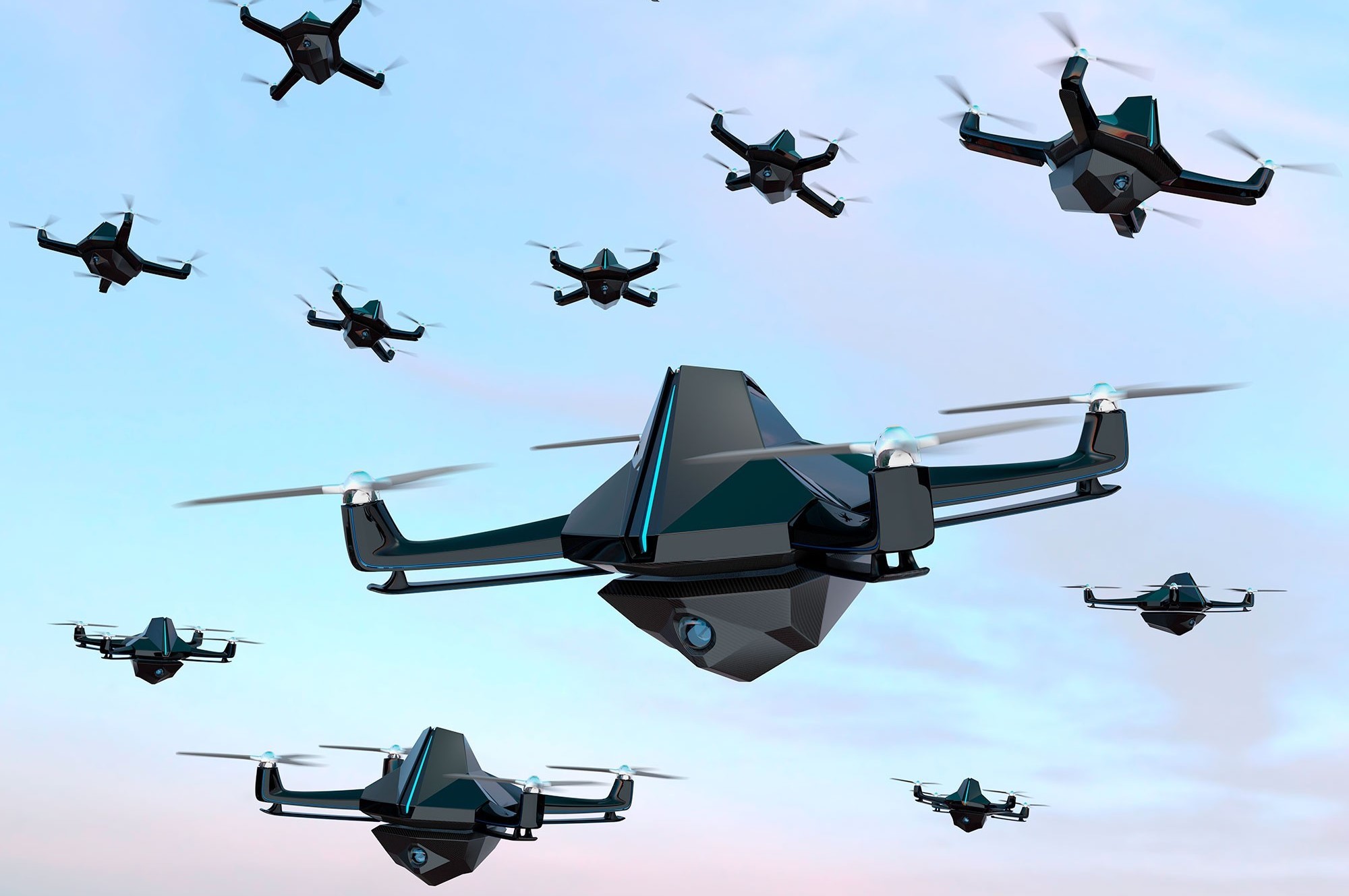
Canadian defense and security agencies will conduct drone detection trials over downtown Ottawa to test urban counter-UAS (unmanned aircraft system) capabilities.
Scheduled from November 24 to 28, the trials will bring together Canadian Forces personnel, defence science experts, police, and US officials to evaluate how well technologies perform in a complex urban environment.
Urban Detection in Crowded Environment
The Department of National Defence describes the test area as several city blocks with office towers of varying heights.
Four test locations will be used: ground level, mid-level balconies on high-rise buildings, high-level balconies, and rooftops.
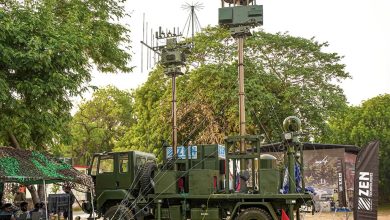
Each of the 16 participating companies will deploy systems designed to detect micro and mini drones. The tests are strictly “detect only” — no countermeasures will be used.
Target drones will traverse the area, and systems will be scored on their ability to track them before and after breaching a defined perimeter.
Evaluations will take place in daylight and at night, allowing operators to assess performance across varied lighting and environmental conditions.
Context and Strategic Drivers
These trials are part of Canada’s “CUAS Sandbox (Urban)” program under the federal IDEaS (Innovation for Defence Excellence and Security) initiative, which supports the development and field testing of defense innovations.
The aim is to help Canada and its partners stay ahead of evolving drone threats, particularly small, low-cost, highly maneuverable first-person view drones.
In earlier trials, counter-UAS testing took place in open military ranges, notably at Suffield base in Alberta.
However, urban terrain adds challenges: buildings, electromagnetic interference, signal obstruction, and clutter complicate detection. Ottawa’s tests aim to address these constraints.
Participating companies will receive up to 20,000 Canadian dollars ($14,374) in test funding, and the overall program offers up to 1.75 million Canadian dollars ($1.26 million) in prizes for promising systems.
In parallel, Canada is further investing in counter-drone capabilities and broader air defense.
For example, the Canadian Armed Forces has procured counter-drone systems for deployment overseas, and Canada is acquiring MQ-9B Reaper drones for domestic and Arctic operations, initially expected in 2025 but now delayed to 2028.