Canada-based ZenaTech has established a Ukrainian subsidiary, Phoenix Aero LLC, which will serve as a production base for counter-drone and interceptor systems aimed at defense customers in Gulf Cooperation Council states.
The facility is located in Lviv, western Ukraine, and is intended to support manufacturing and testing for systems targeting demand in Saudi Arabia, the UAE, Qatar, Kuwait, Bahrain, and Oman, as well as potential US defense-linked customers operating in the Middle East.
The company is positioning the site as a lower-cost production hub for counter-unmanned aerial systems, citing access to Ukraine’s drone engineering ecosystem and proximity to European logistics routes.
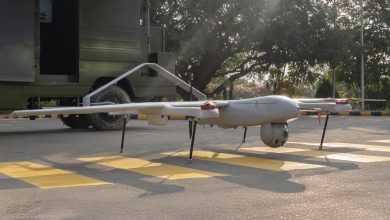
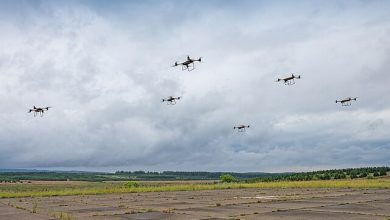
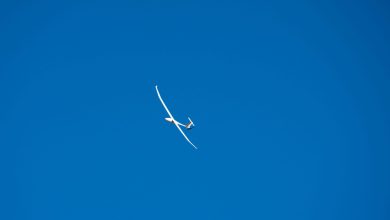
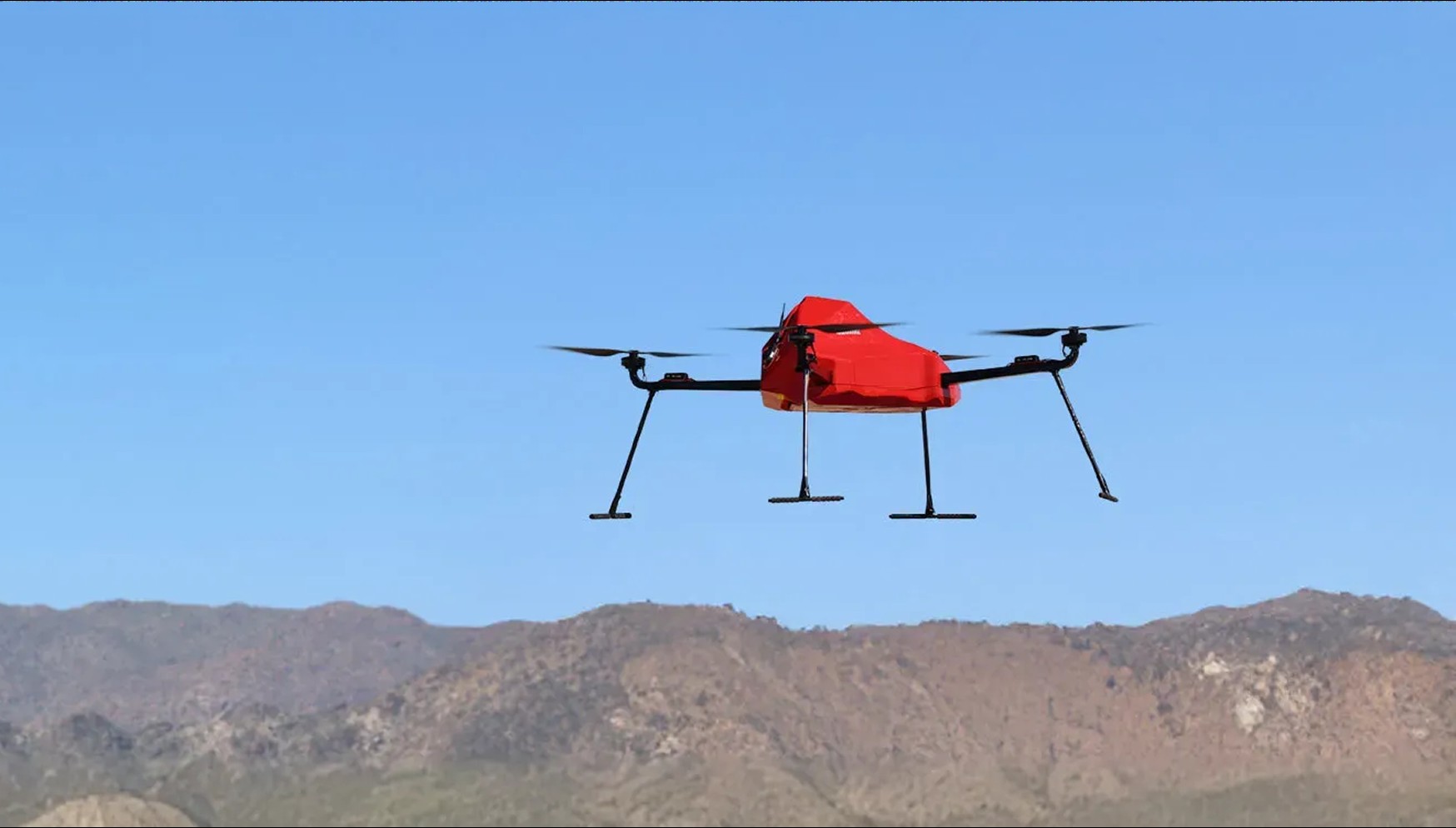
Phoenix Aero will support the production of several platforms, including the Interceptor P-1, a disposable interceptor drone designed to engage aerial threats at a unit cost below $5,000, the ZenaDrone 2000 autonomous unmanned aerial system (UAS), and the IQ-Glider maritime launch and refueling platform.
Operations in Lviv will also be used for product validation, leveraging Ukraine’s wartime drone development environment, where systems are continuously adapted to operational threats.
Moreover, ZenaTech plans to expand engagement with Gulf defense procurement authorities and regional defense integrators through direct outreach and participation in industry exhibitions, supported by its European, Middle Eastern, and African operations based in Dublin.
Reassessing Air Defense
The move comes as Gulf states reassess air defense requirements following the regional escalation triggered by the US-Israeli conflict with Iran, which exposed vulnerabilities in protecting critical energy and infrastructure assets from drone and missile attacks.
Ukraine’s battlefield experience has also emerged as a reference point.
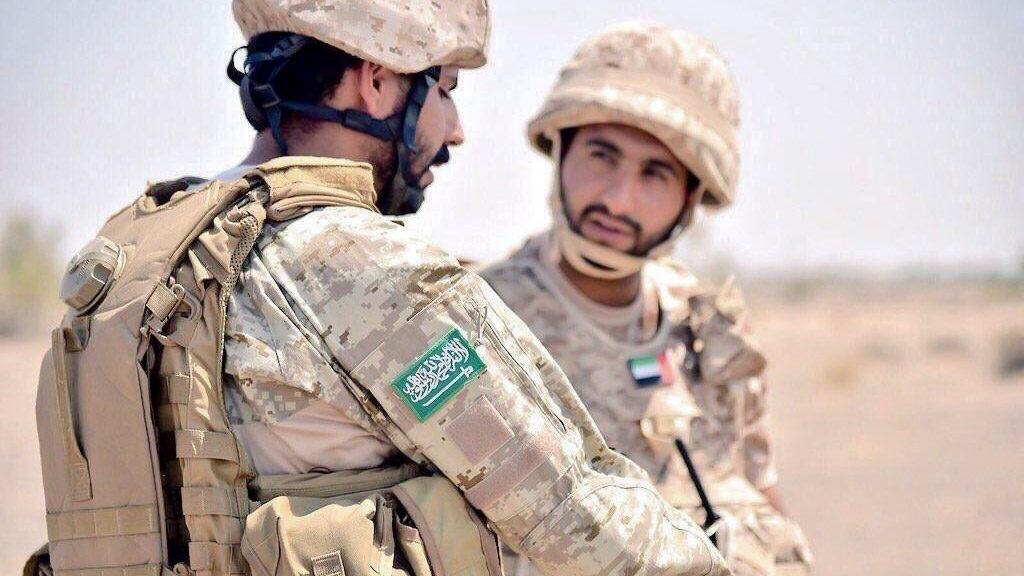
Ukrainian personnel have already been deployed across the Gulf to support drone detection and interception efforts, applying operational lessons developed against Iranian-designed Shahed loitering munitions used extensively by Russian forces.
That experience has reinforced demand for lower-cost counter-UAS systems, particularly small interceptor drones seen as a more scalable and cost-effective alternative to relying solely on conventional missile-based air defenses against one-way aerial threats.