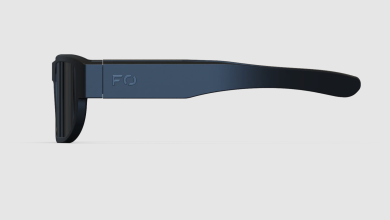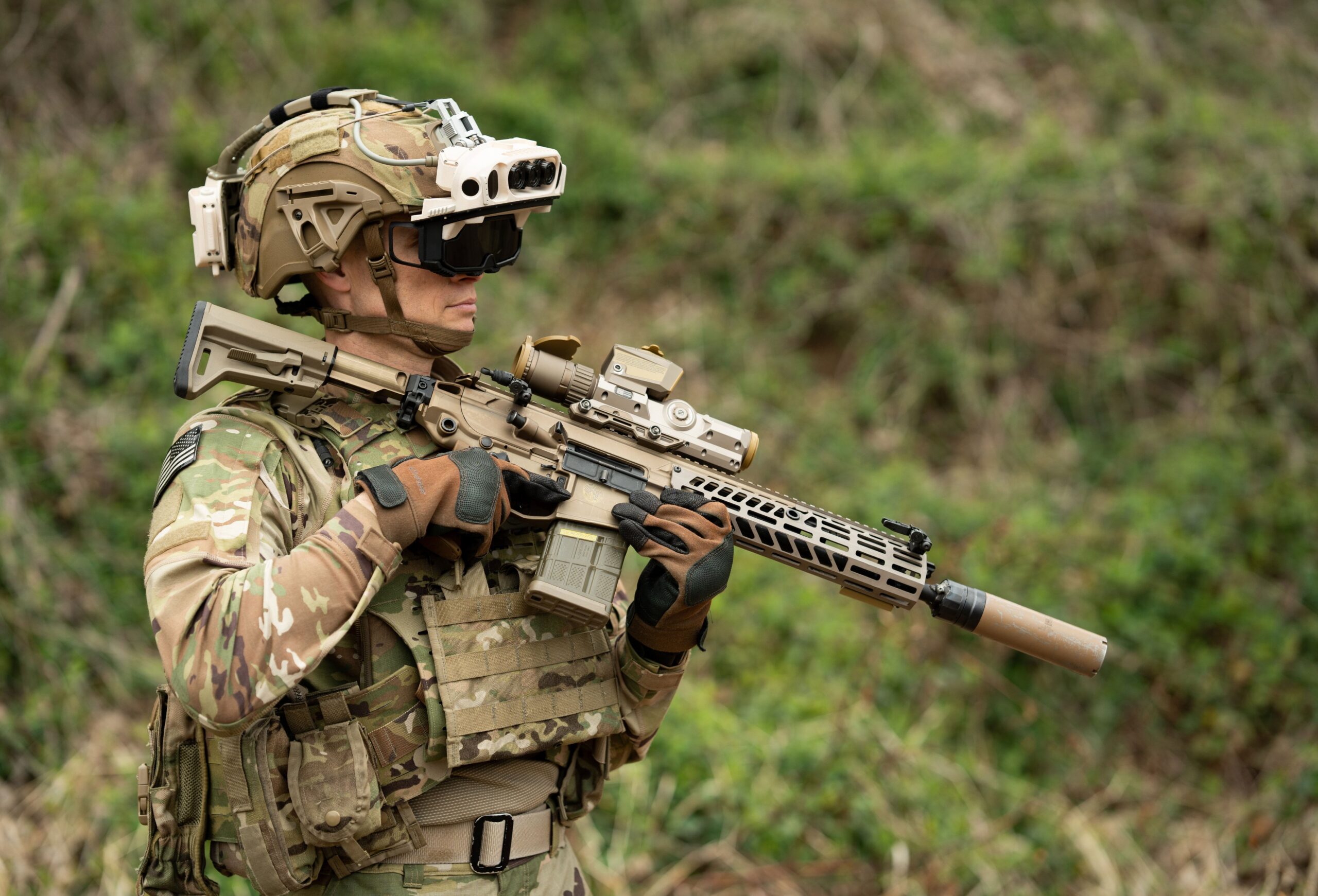
Anduril Industries has secured a $159-million US Army contract to prototype a new helmet-mounted mixed reality system, part of the Soldier Borne Mission Command (SBMC) program.
The effort builds on lessons from the army’s Integrated Visual Augmentation System (IVAS), which has faced delays and mixed results since its launch in 2018.
The contract covers an initial prototyping phase for what the service describes as a next-generation interface combining night vision, augmented reality, and integrated command-and-control tools.
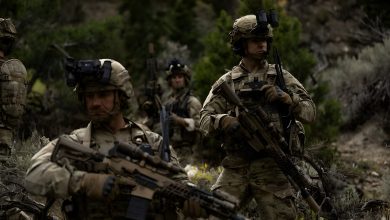
The goal is to provide soldiers with real-time access to tactical information while reducing reliance on separate radios, maps, and apps in contested environments.
Software Backbone and Industry Partners
Anduril is working with several technology partners, including Meta, Qualcomm, OSI, and Gentex, to develop the system.
The hardware will be paired with SBMC-Architecture (SBMC-A), an open software platform led by Anduril with contributions from Palantir Technologies, L3Harris Technologies, Persistent Systems, Sierra Nevada Corporation, Maxar, and others.
SBMC-A is built on Anduril’s Lattice platform and has already been tested in field exercises with existing IVAS headsets.
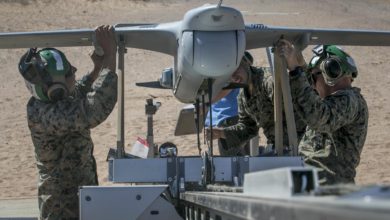
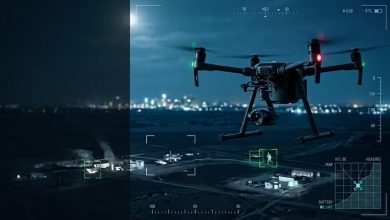
In recent trials, soldiers used the system to control drones directly from head-mounted displays without a dedicated operator.
Officials said the architecture also enables faster software updates, a problem that plagued earlier iterations of IVAS.
Learning From IVAS Setbacks
The award highlights the army’s continued push to modernize its soldier systems despite setbacks with previous efforts. IVAS, developed primarily with Microsoft, drew criticism for performance issues, prompting Congress to cut funding in 2022.
Soldiers complained about headaches, nausea, and eyestrain from earlier versions of the device.
The SBMC program represents the army’s attempt to salvage and expand the concept with broader industry participation.