Norway has officially joined the user group under the Global Combat Ship (GCS) program, a multinational defense alliance to build up to 34 modern surface combatants for the UK, Australia, and Canada.
The consortium coordinates all levels of development for the initiative, with members assessing processes across shipbuilding, related skills transfer, and future deployments in the theater.
Royal Norwegian Navy chief of fleet program Capt. Alexander Erichsen confirmed Oslo’s entry after signing the agreement at the group’s latest meeting in Nova Scotia, Canada.
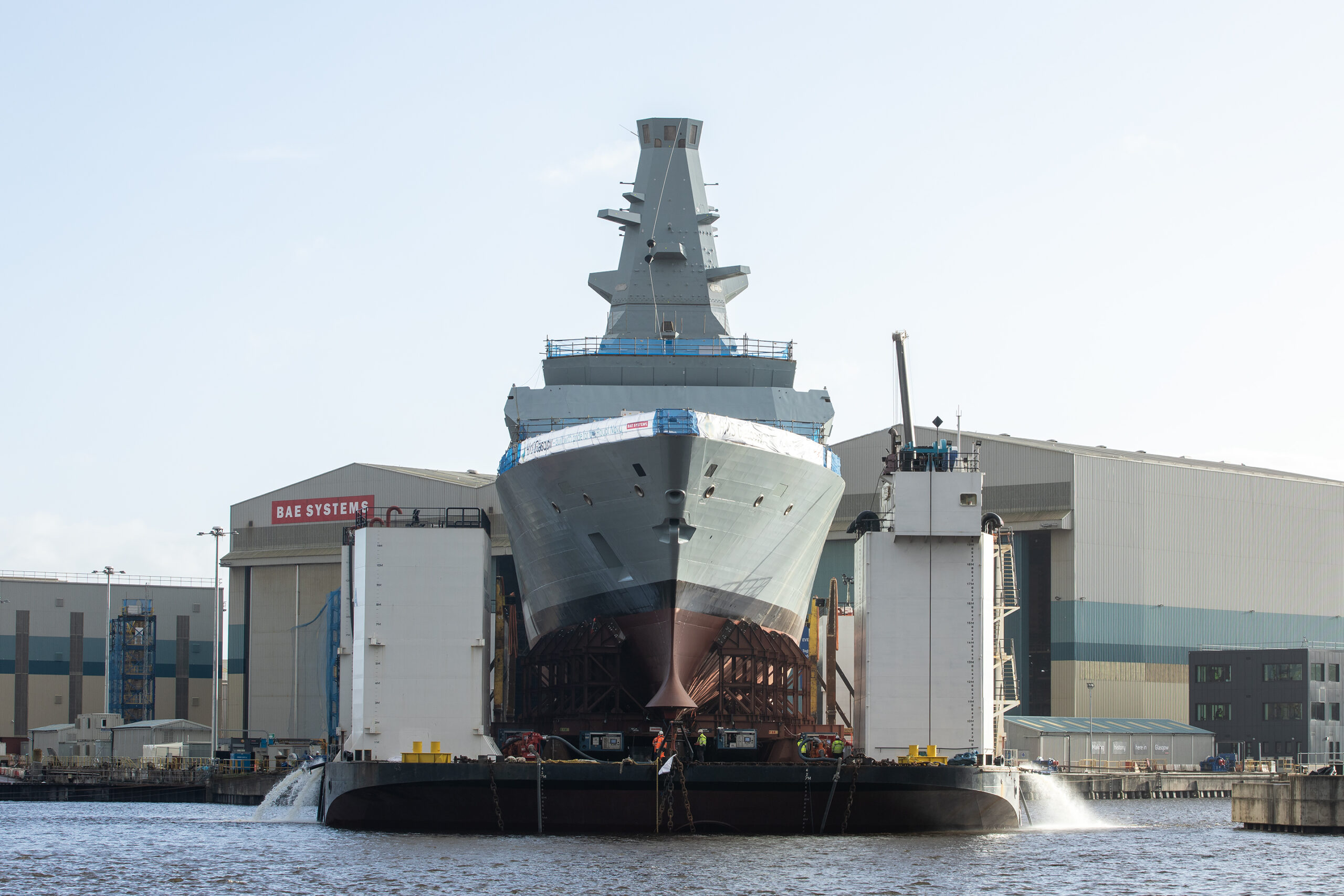
The meeting included discussions and a live showcasing of the HMCS Fraser, the first Canadian GCS vessel now under construction.
“By aligning our future frigate capability on a common design, we strengthen interoperability, shared understanding and collective maritime security across allied navies,” Erichsen said.
“Norway looks forward to contributing actively to the Global Combat Ship collaboration and to benefiting from the strong industrial and operational partnerships that underpin it.”
Promoting ‘Collective Maritime Security’
The GCS centers on a standardized anti-submarine warfare design, while allowing each country to tailor systems and capabilities to national requirements.
The UK designates its ships as City-class (Type 26) frigates, while Australia is building the Hunter-class frigates.
Separately, Canada classifies its vessels, including HMCS Fraser, as River-class destroyers.
Norway has yet to name its series but plans to acquire five to six ships under the program.
The first ships under the program are scheduled to enter service through the 2030s, beginning with the Royal Navy’s HMS Glasgow, and will operate across the North Atlantic, Europe’s northern flank, and the Indo-Pacific.