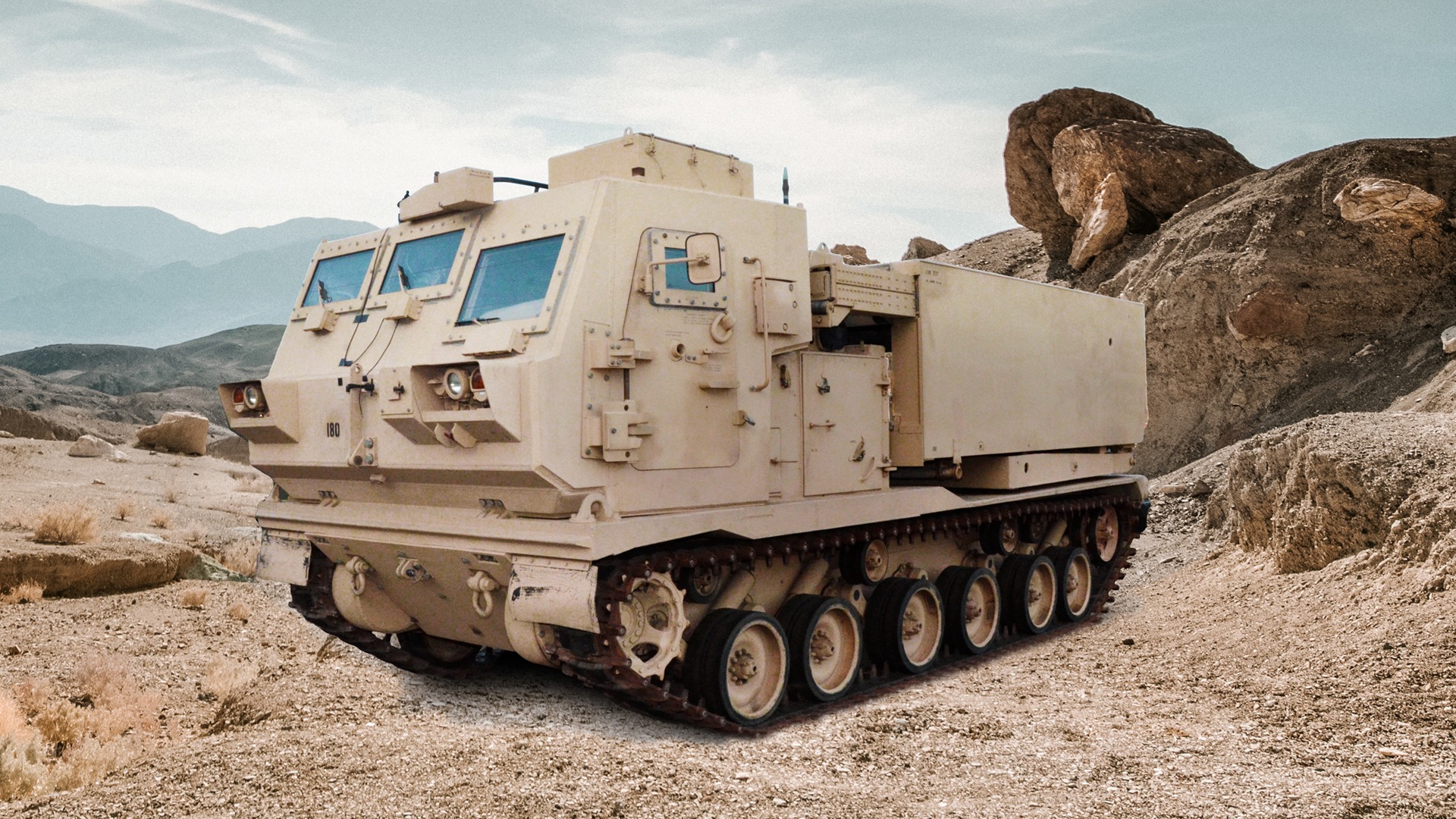
On today’s battlefield, hitting hard isn’t enough — being fast, flexible, and precise is just as critical. Forces need artillery that can deliver powerful strikes across wide areas, then move before the enemy can respond.
The M270 Multiple Launch Rocket System (MLRS) does exactly that, pairing heavy firepower with rapid mobility.
In this guide, we take a closer look at its development, technical capabilities, key variants, and the role it’s expected to play in the future of artillery operations.
What Is the M270 MLRS?
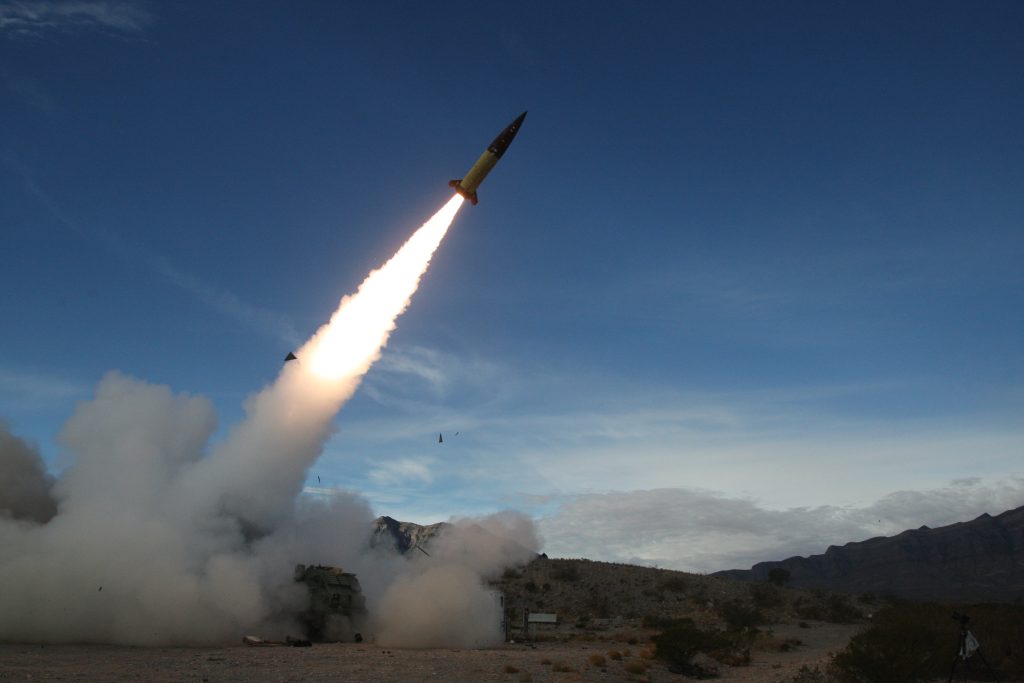
The M270 MLRS is a tracked multiple launch rocket system designed to fire rockets and missiles at targets over long distances.
Developed for high-volume fire missions, it can engage enemy forces, infrastructure, and command positions with either area saturation or precision strikes.
The system is operated by the US Army and numerous allied forces, such as the UK, making it one of the most widely used rocket artillery platforms in the world.
Development and Background
The M270 MLRS was developed in the late Cold War to counter large enemy formations, particularly armored units.
Built by Lockheed Martin (originally through legacy contractors), it entered service in the 1980s.
The system was designed to:
- Deliver rapid, high-volume rocket fire
- Operate alongside armored units using a tracked chassis
- Provide deep-strike capability against enemy formations and logistics hubs
Over time, the M270 evolved from a purely area-effect weapon into a platform capable of firing precision-guided munitions, reflecting changes in modern warfare.
| Category: | Details: |
| Type | Tracked MLRS |
| Developer | Lockheed Martin |
| Role | Area saturation, precision strike |
| Rockets | 227mm |
| Range | 32-300+ kilometers/20-186+ miles (munition dependent) |
| Launch Capacity | 12 rockets or 2 missiles |
| Mobility | Tracked armored chassis |
| Crew | Three |
Variants and Configurations
- M270 (Baseline): The original version was designed for unguided rocket salvos, capable of saturating large areas with explosive firepower.
- M270A1: An upgraded variant featuring an improved fire control system and launcher loader module, enabling faster targeting and compatibility with guided munitions.
- M270A2: The latest upgrade includes enhanced armor, improved electronics, and compatibility with next-generation precision missiles, ensuring continued relevance on modern battlefields.
How the M270 MLRS Works
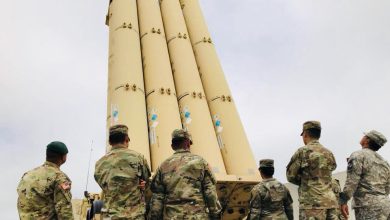
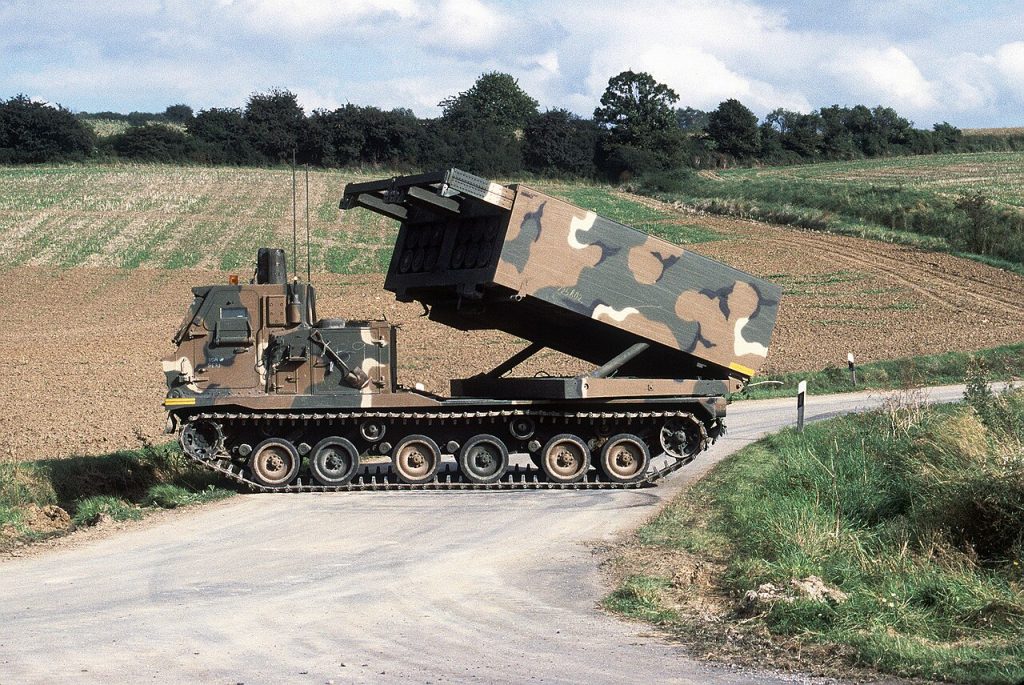
The M270 operates using a launcher-loader module that carries preloaded rocket pods. Crews can quickly load or swap pods, allowing the system to transition between different munition types.
Firepower and Launch System
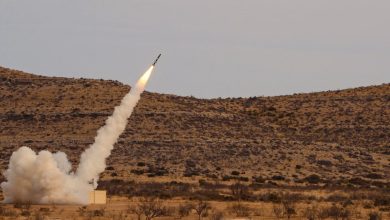
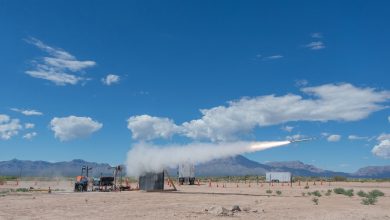
Each launcher carries two pods, each with six rockets, enabling a 12-rocket salvo. Alternatively, it can fire tactical missiles, including longer-range precision-strike weapons.
Targeting and Fire Control
Modern variants use digital fire-control systems, allowing crews to enter target coordinates and rapidly compute firing solutions. This enables accurate, coordinated strikes with minimal setup time.
Shoot-and-Scoot Mobility
After firing, the M270 can quickly relocate to avoid counter-battery fire, using its tracked chassis to maneuver across rough terrain alongside armored units.
Strengths
- High volume firepower: Can deliver devastating salvos in seconds.
- Precision strike capability: Modern munitions allow accurate, long-range targeting.
- Mobility: Tracked chassis enables operations in rough terrain.
- Versatility: Supports both rockets and tactical missiles.
- Combat-proven: Widely used in multiple conflicts over decades.
Limitations
- Logistical demand: Requires resupply of rocket pods after each salvo.
- Limited onboard ammunition: Only carries two pods at a time.
- Cost of precision munitions: Guided rockets and missiles are expensive.
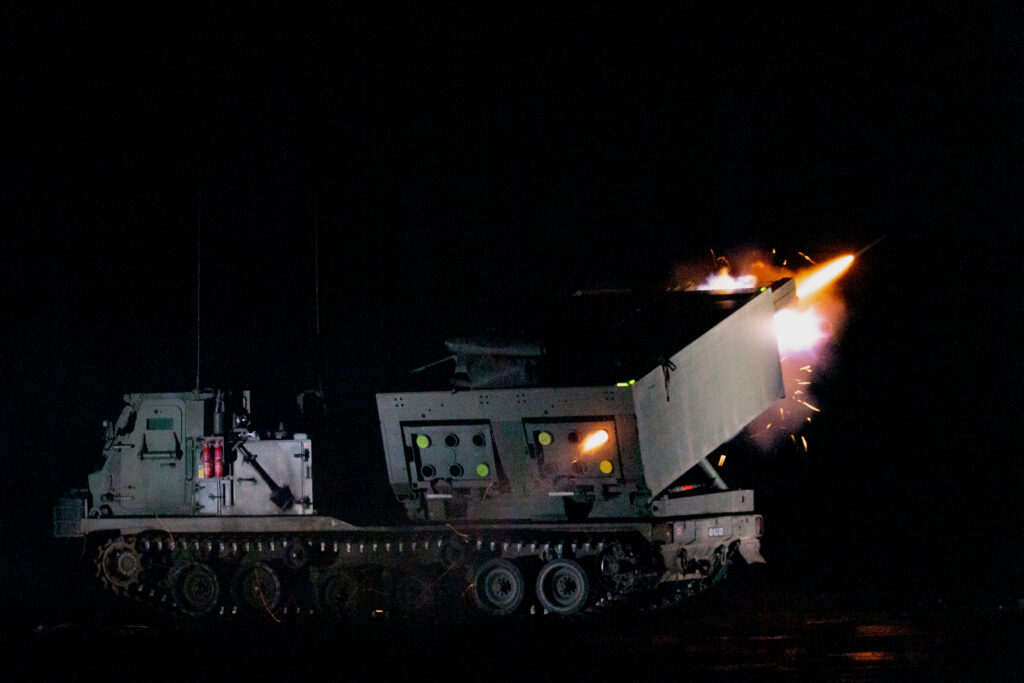
- Visibility and signature: Launches create significant smoke and heat signatures.
Global Use and Operational History
The M270 MLRS has seen extensive use worldwide:
- Gulf War (1991): Used for large-scale rocket barrages against Iraqi forces.
- Iraq and Afghanistan: Adapted for precision strike missions.
- Ukraine: Employed by Ukrainian forces to conduct long-range precision strikes against logistics and command targets.
Many NATO and allied countries operate the system, making it a key component of coalition artillery forces.
Future Outlook
The M270 continues to evolve with:
- Integration of longer-range precision missiles
- Upgraded digital fire control and targeting systems
- Enhanced survivability and mobility features
As warfare increasingly emphasizes precision and long-range strike, the M270 remains a vital platform that can adapt to new threats.