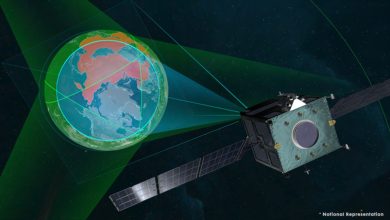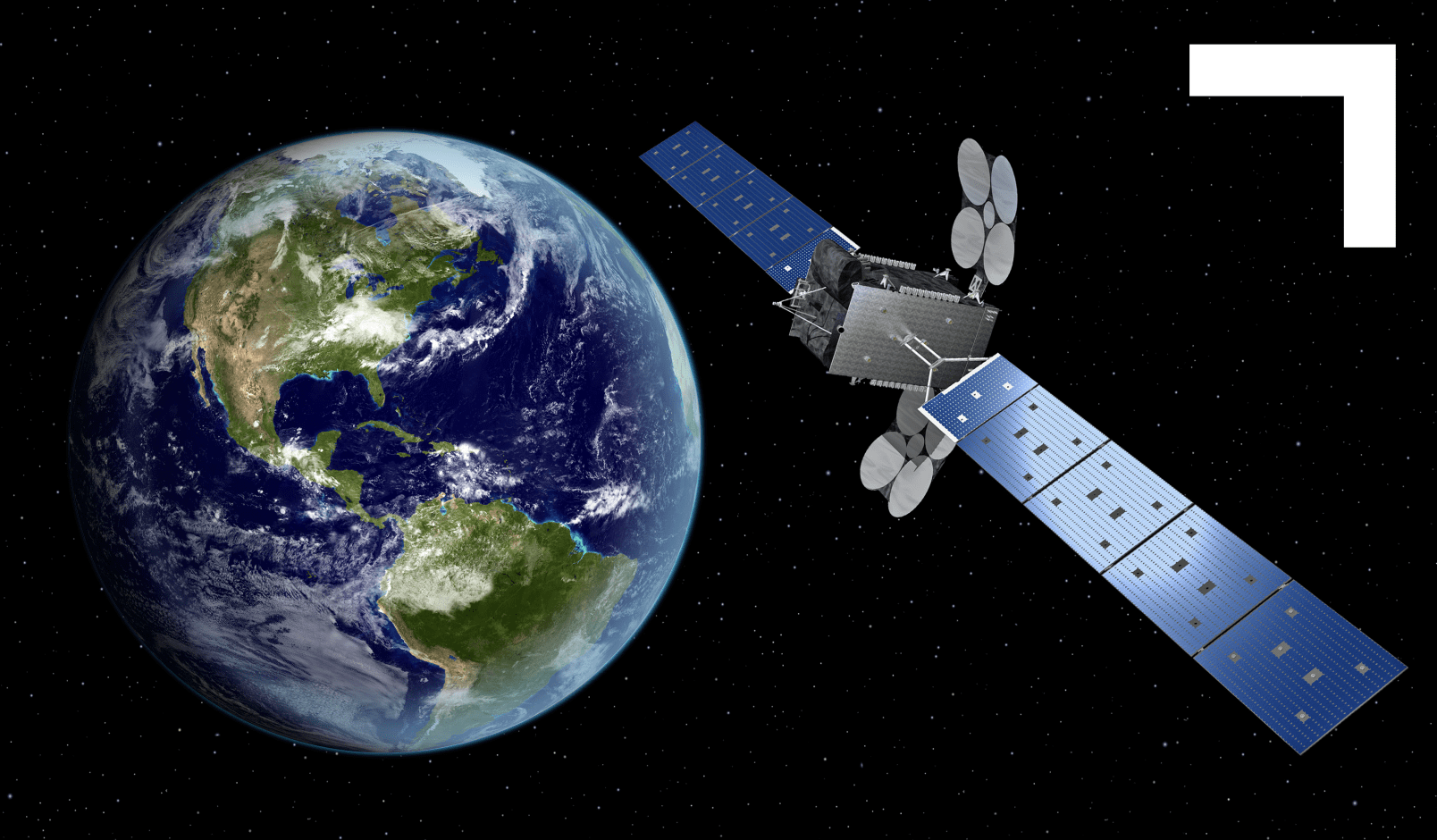
Hungary has launched work on its first sovereign communications satellite, aiming to provide secure, nationally controlled connectivity for government and commercial users.
Northrop Grumman and local firm 4iG Space and Defence Technologies will design and build the geostationary satellite, known as HUGEO, on the GEOStar-3 platform, with delivery expected by 2030.
The satellite will provide secure Ka‑band communications across the region, enhancing national resilience and reducing reliance on foreign satellite networks.
The program forms part of Budapest’s broader HUSAT initiative, which also includes plans for an eight-satellite Earth observation constellation to be developed using 4iG’s manufacturing capabilities.
The effort brings together multiple international suppliers: Germany’s Vertex for the ground antennas, South Korean firm TelePIX for imaging systems, and Italy’s MetaSensing for SAR radar technology.
“We believe transatlantic cooperation will be a key driver of space and defence innovation in the coming decade, in which 4iG aims to play a pioneering role among other Hungarian and regional companies,” 4iG chairperson and CEO István Sárhegyi said.
Europe Boosts Defense Satellite Efforts
While Hungary advances its first sovereign communications satellite, other European nations are also stepping up space-based defense initiatives.
In March, Poland began developing an integrated defense system designed to protect satellites using high-power microwave weapons combined with advanced sensors and artificial intelligence.
Warsaw has also advanced its satellite procurement efforts, launching new satellites in the same month to enhance military space surveillance and intelligence gathering.
Other European defense space initiatives are also gaining ground.
Austrian authorities are planning the deployment of BEACONSAT, the nation’s first military satellite, set for launch in 2027 to strengthen secure communications and orbit-based capabilities.