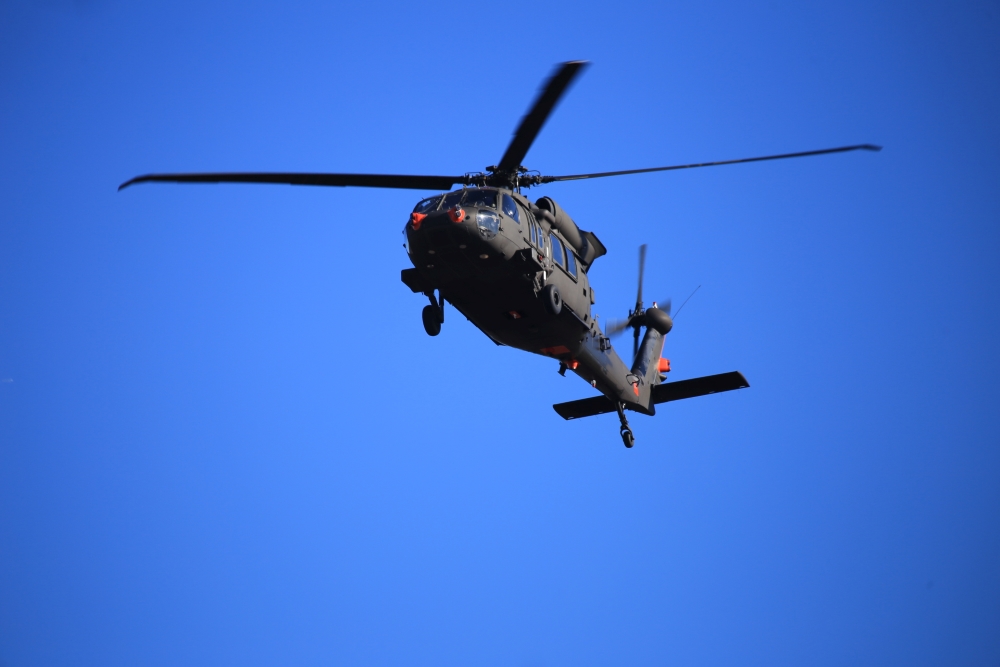
Northrop Grumman has received a US Army contract to continue development of its Improved Threat Detection System (ITDS), moving into a second phase following earlier flight tests.
The system is intended to improve pilot awareness and aircraft survivability in complex environments by identifying incoming threats that may not be visible to the crew.
It is designed to integrate with existing protection systems, including flare- or laser-based countermeasures, enabling coordinated responses once a threat is detected.
Compatible with both current and future US Army rotary-wing platforms, ITDS is planned for priority integration on the MV-75 Cheyenne II and the AH-64 Apache.
Its open systems architecture allows additional capabilities to be added over time as new threats emerge.
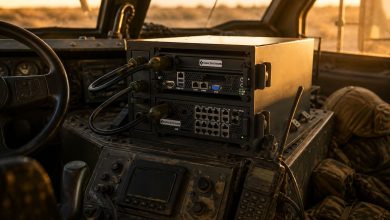
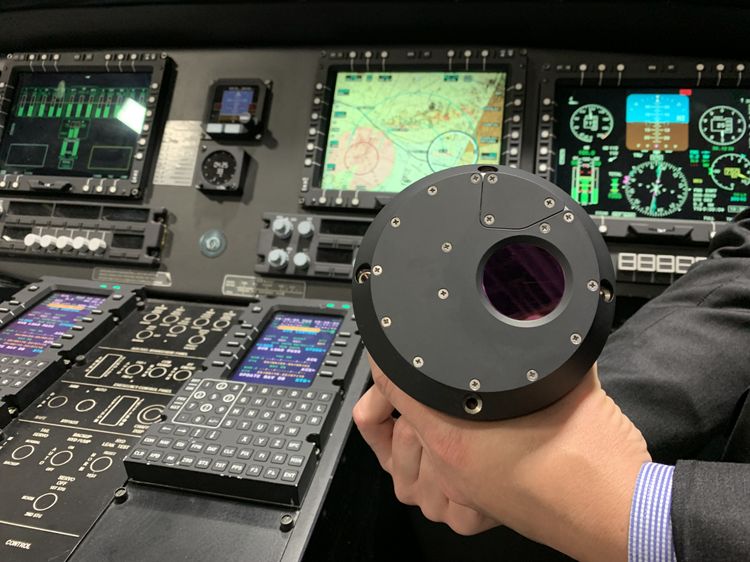
ITDS is built around Northrop’s ATHENA sensor, a multispectral threat warning system designed to detect and identify threats around an aircraft in real time.
It provides continuous 360-degree coverage, including areas not directly visible to the pilot, improving awareness of the surrounding environment.
Using a combination of sensors, ATHENA can rapidly identify and classify a range of airborne and ground-based threats, including unmanned aerial systems, loitering munitions, missile systems, and various other weapons.
Testing Phases
The second phase of the ITDS program will center on delivering initial prototype systems while advancing their integration and testing.
Activities include system design, demonstration efforts, development of the overall architecture, integration of onboard applications, assessment of the missile warning sensor, and performance evaluation through flight trials and operational demonstrations on aircraft.
The first phase focused on maturing the technology through testing.
During this stage, the US Army carried out extensive flight and live-fire trials, logging more than 51 hours of flight time by May last year.
Live-fire activities were conducted under conditions intended to reflect tactics used in ongoing combat environments.