Air and missile threats are evolving fast, from low-flying cruise missiles to swarms of drones and maneuvering projectiles designed to evade detection. Traditional air defense radars are increasingly struggling to keep up.
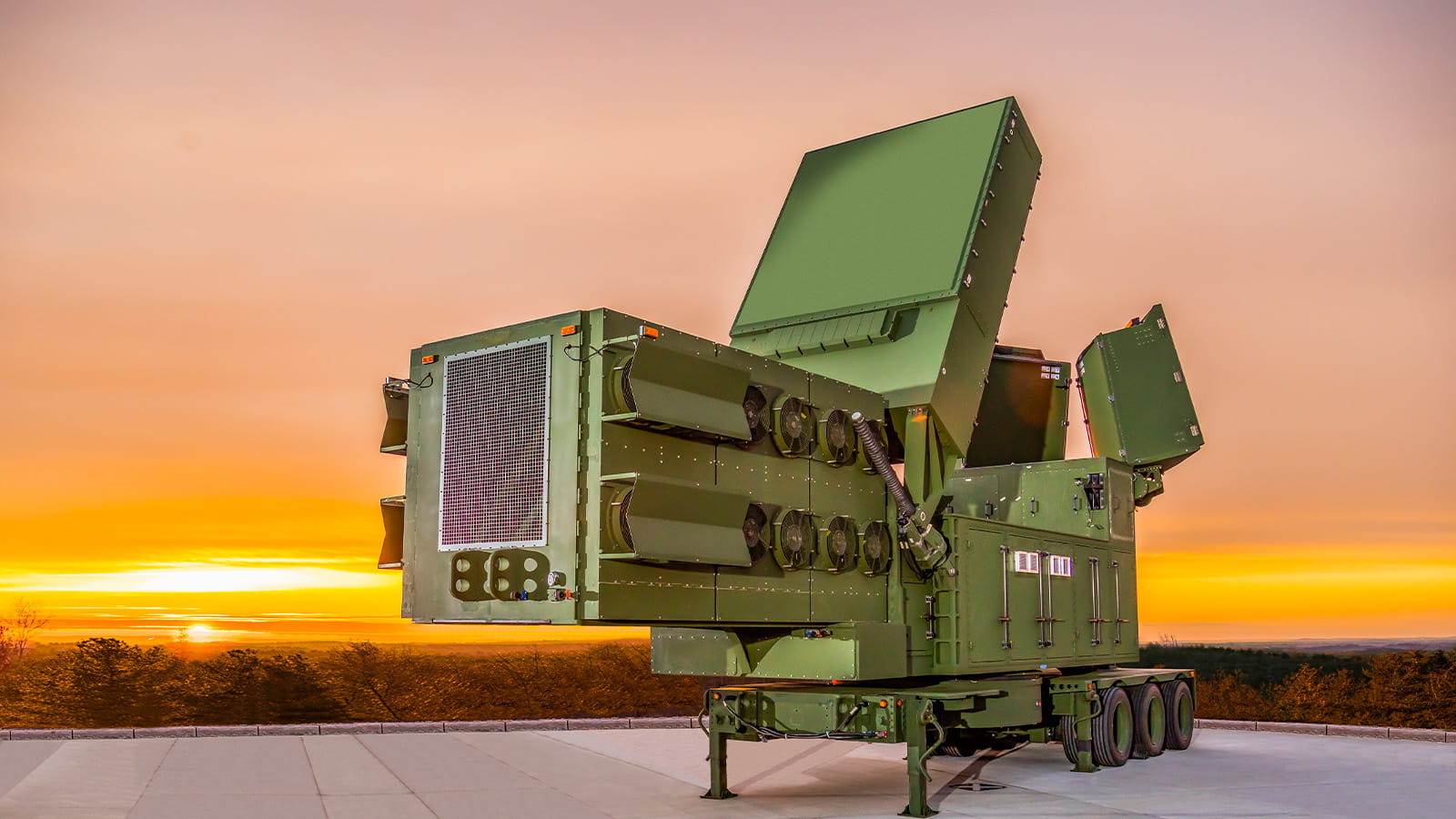
The Lower Tier Air and Missile Defense Sensor (LTAMDS) is built to change that, delivering true 360-degree coverage, advanced AESA technology, and seamless integration with the Patriot system.
Explore our guide to see how this next-generation radar strengthens modern air defense.
What Is the Lower Tier Air and Missile Defense Sensor?
The LTAMDS is a next-generation ground-based radar developed to replace the aging Patriot radar.
It is designed to detect, track, and support engagement against a wide range of aerial threats, including ballistic and cruise missiles, aircraft, and drones.
The radar was developed by Raytheon for the US Army as part of a broader modernization effort for the MIM-104 Patriot air defense system.
Unlike earlier Patriot radars that mainly focused forward, LTAMDS provides full 360-degree surveillance and tracking, dramatically improving situational awareness for air defense units.
How LTAMDS Came to Be
The need for LTAMDS emerged as air and missile threats evolved rapidly in the 21st century.
Earlier Patriot radars were highly capable but had a limited field of view, making threats approaching from behind or the sides harder to detect.
To address this gap, the US Army launched the LTAMDS program in 2019 with three major goals:
- Deliver 360-degree radar coverage
- Improve detection of advanced missile threats
- Maintain compatibility with existing Patriot launchers and interceptors
After a competitive process, Raytheon was selected to build the radar. The company rapidly developed and tested prototypes, achieving a record timeline from contract award to first operational radar delivery.
How LTAMDS Works
360-Degree AESA Radar
At the core of LTAMDS is an active electronically scanned array (AESA) radar system.
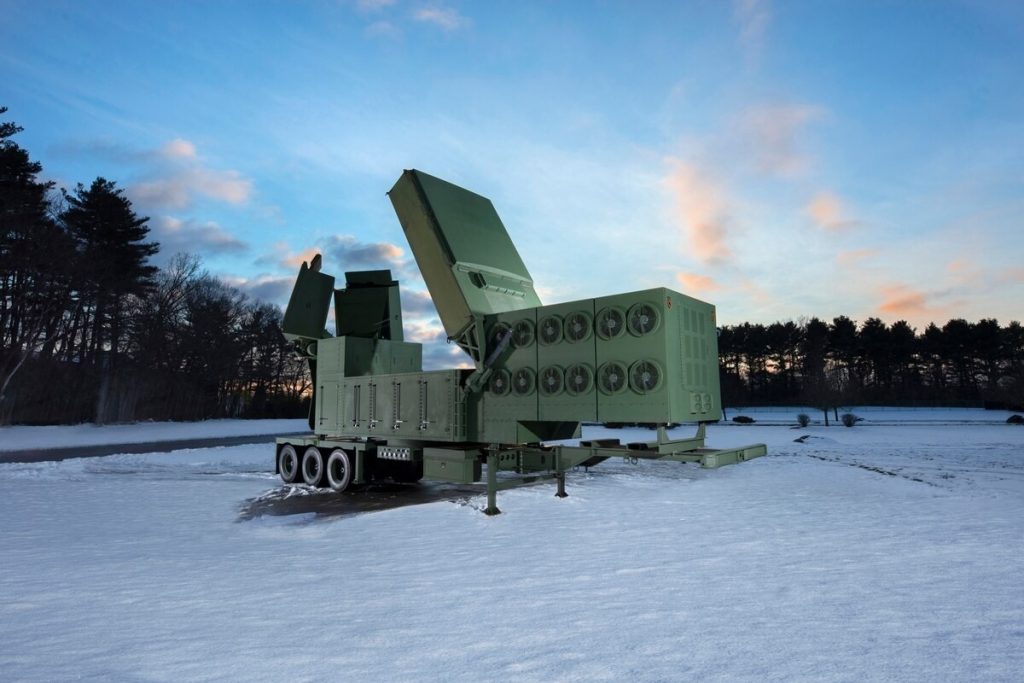
Unlike mechanically rotating radars, AESA uses thousands of small transmit-receive modules that electronically steer radar beams across the sky. This enables the radar to track multiple threats simultaneously with high precision.
LTAMDS achieves full coverage using multiple radar arrays positioned around the system, eliminating blind spots.
Advanced Threat Detection
The radar’s increased sensitivity allows it to detect smaller, faster, and lower-flying threats, including cruise missiles and drones.
This capability is crucial, as modern adversaries increasingly use low-observable, maneuvering weapons designed to evade traditional radar systems.
Integration With Patriot Batteries
LTAMDS is designed to integrate directly with Patriot launchers and interceptors, allowing the radar to guide missiles toward incoming threats.
The system feeds targeting data into the broader air defense network, enabling coordinated responses across multiple batteries.
Strengths of LTAMDS
True 360-Degree Coverage
The radar eliminates the directional limitations of earlier Patriot sensors, providing continuous surveillance in all directions.
Greater Detection Sensitivity
LTAMDS can track smaller targets at longer ranges, improving defense against cruise missiles, drones, and complex missile attacks.
Networked Air Defense
The system supports integration with broader integrated air and missile defense architectures, helping connect sensors and interceptors across the battlefield.
Limitations
Complex Integration
Integrating new radar systems with existing air defense infrastructure can be technically challenging and requires extensive testing.
High Cost
Advanced AESA radars are expensive to produce, which may delay their deployment across all air defense units.
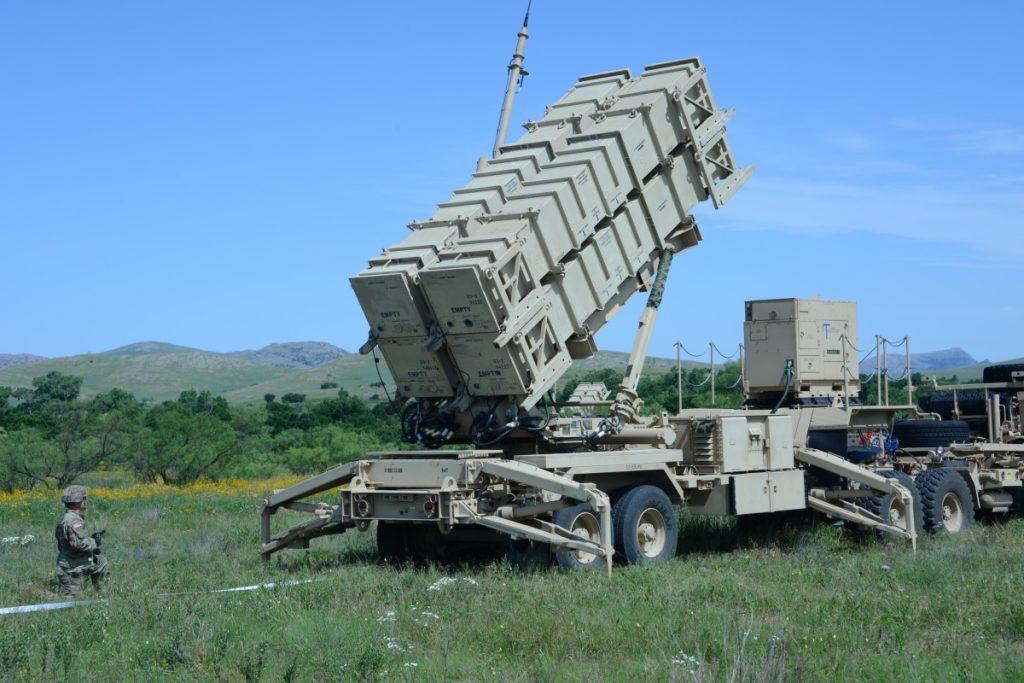
Global Use and Strategic Importance
LTAMDS is primarily intended for the Patriot units of the US Army, but the radar also has implications for countries operating Patriot systems worldwide.
Many allied nations rely on Patriot for air defense, including Germany, Poland, Japan, South Korea, and Saudi Arabia.
As LTAMDS matures, it may eventually be integrated into future Patriot upgrades or next-generation missile defense architectures used by these countries.
Future Outlook
LTAMDS represents a major leap in radar capability for lower-tier air and missile defense.
Future developments could include:
- Integration with next-generation interceptors
- Greater connectivity across multi-domain defense networks
- Enhanced tracking of hypersonic and highly maneuverable threats
As air threats become more complex and multidirectional, sensors like LTAMDS will be critical for maintaining effective missile defense.